
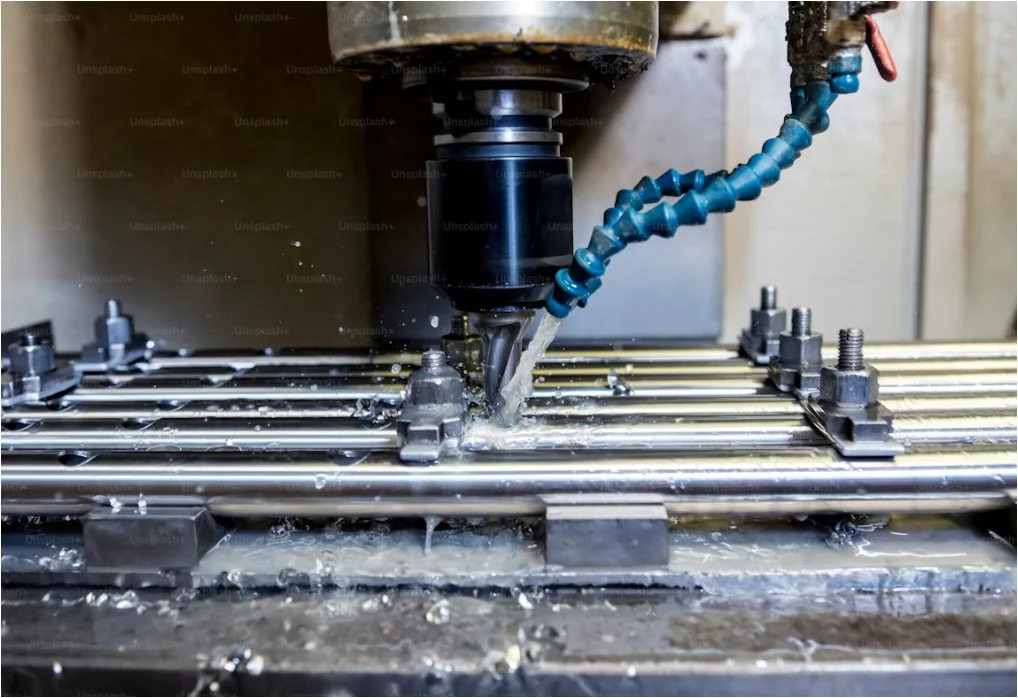
What Makes CNC Machining with Swiss CNC Machines More Precise than Lathes
What Differentiates Swiss CNC Machines from Traditional Lathes?
In the world of very accurate CNC machining, Swiss CNC machines really stand out from regular lathes, especially for thin or detailed pieces. Their setup and operation let them make parts with tight tolerances and steady results, even when you need lots of them.
Sliding Headstock Design Enhances Stability
The key thing here is the sliding headstock setup. A regular lathe holds the piece at one end and spins it. But a Swiss CNC machine pushes the material through a guide bushing. At the same time, the headstock slides along. So, the bar stock gets support right near where the cutting happens. This cuts down on bending a lot. You end up with better size control, mainly for long or slim items. The guide bushing holds the material steady. It also stops shakes before they mess up the part’s shape. I remember working on some needle-like parts once; without this, they’d wobble all over the place.
Simultaneous Multi-Axis Machining Capability
Swiss machines do great with multi-axis work at the same time. Axes like X, Y, Z, and sometimes B or C, all move together on one piece. This lets you do tricky tasks in just one go. You don’t have to move things around much. That keeps everything lined up and cuts down on time per part. Regular lathes often need several setups for fancy shapes. Swiss machines keep things smooth and exact from start to finish.
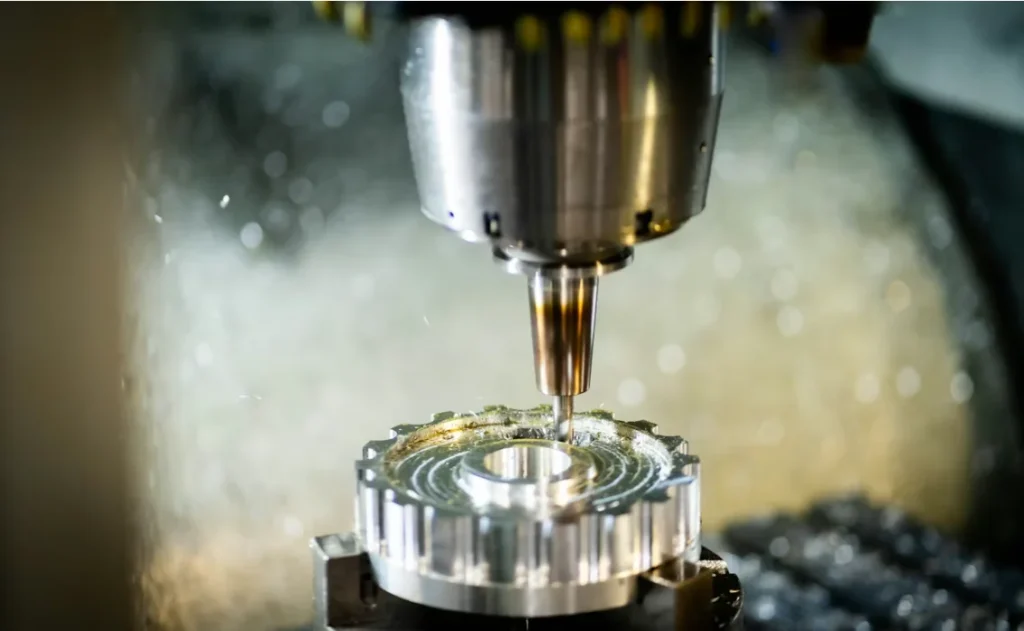
Higher Tool Count and Live Tooling Integration
Swiss-type lathes also have more spots for tools. They use tool turrets or gang plates that hold many tools. Plus, lots of them have live tooling. This means you can mill, drill, or tap while the part spins. It’s a big help for making detailed parts with close tolerances on different spots. All tools stay loaded and set. So, there’s less waiting around and more work done in each run. Think about producing watch gears; this setup makes it way faster without losing quality.
Why Does the Guide Bushing Improve Machining Accuracy?
The guide bushing is at the center of what makes Swiss CNC machines work so well. It’s not only a holder. It plays a big part in getting accuracy down to microns.
Reduced Workpiece Deflection During Cutting
The guide bushing holds the bar stock close to where the cut happens. This close hold cuts down on bending from the cut’s force. For long or thin pieces, even a little bend can cause uneven shapes or rough spots. The guide bushing makes the free length almost nothing. So, it stops that problem right away.
Consistent Dimensional Tolerances Over Long Parts
Since the material stays guided tight at the cut spot, the whole part comes out even. This matters a lot for items like shafts or pins over 3 inches long. Regular lathes have trouble keeping sizes the same over those lengths. They deal with wobble and bend. But Swiss machines keep the size right from one end to the other. In one job I saw, they machined 4-inch rods at 0.1-inch thick, and every one measured spot on.
Enhanced Surface Finish and Geometric Precision
With less shake and move, the surface comes out smoother. Parts from a Swiss lathe often look good enough for show right away. Also, shapes like roundness and straight lines get better from the strong hold. If you’re making medical or plane parts where smooth and exact count, this does both well. It’s like the difference between a rough sketch and a polished drawing.
How Does Thermal Stability Affect CNC Machining Precision?
Keeping heat in check is more than just cooling down. It hits right on how exact the machining can be in CNC setups. Swiss machines handle heat balance really well.
Minimized Thermal Expansion in Swiss Machines
Regular lathes build up heat that makes tools and pieces grow a bit. This shifts sizes as you go through runs. In Swiss machines, the short gap from guide bushing to cut keeps heat in a small spot. Less distance means less twist from heat over long jobs. For example, in a batch of 1,000 parts, you might see only a tiny change, if any.
Constant Tool Engagement Temperature Profile
Swiss CNC machines cut steady without many stops. This ongoing work keeps the heat level even in tools and material. When heat stays the same, size changes don’t happen much. Even after thousands of parts, things hold steady.
Better Material Behavior Under Controlled Conditions
Steady heat helps materials act in ways you can count on. This is key for metals like titanium or Inconel that react to heat. You’ll get cleaner cuts and no odd size surprises. The material stays in its normal range. I’ve heard machinists say it’s like the machine knows exactly what the metal wants.
In What Ways Does Tooling Configuration Impact Precision?
How you set up the tools matters a ton in cutting accuracy. Swiss lathes build this idea right into their design.
Independent Tool Posts Allow Simultaneous Operations
Lots of Swiss CNC setups have tool posts that work on their own along different paths. This lets you rough out, finish, drill, or mill at once without getting in each other’s way. It speeds up the whole process. Plus, each task keeps its path clean, not messed up by others.
Close Proximity of Tools to Workpiece Reduces Flexing
On a Swiss machine, tools sit very near the piece. Shorter reaches mean less bend or shake in the tool while cutting. That’s crucial when you need to stay within microns.
Optimized Tool Paths for Complex Geometries
The way tools and axes move in Swiss machines helps with paths that regular lathes can’t do as well. You can shape curved or detailed surfaces right away. No need for extra steps or hand work after.
How Do Swiss CNC Machines Handle Small and Complex Parts Better?
For tiny parts that also have lots of details, not all machines work well. But Swiss lathes seem made just for this kind of job.
Superior Control Over Micro-Machining Tasks
Swiss machines often have fast spindles over 10,000 RPM. Add in very slow feeds to micron levels, and you can make small things like threads, cuts, or holes under 1mm wide. It’s precise control that feels almost magical for such small scales.
Consistent Performance on Long, Thin Components
Try making a 5-inch pin at 0.050 inch across. A regular lathe needs special care and still might bend in the middle. On a Swiss machine, the guide bushing keeps it straight the whole way. No drama, just solid results every time.
Capability to Machine Parts in a Single Pass
Swiss CNC machines put all the steps into one run. From turning and threading to drilling across or cutting slots. This single go cuts down on moving the part. It lowers small errors that add up. And it makes batches come out the same over and over. In high-volume shops, this can save hours per day.
What Role Does Automation Play in Enhancing Precision?
Getting things exact isn’t only about the tight cuts. It’s about doing it the same way every time, for long stretches. Automation helps with that.
Bar Feeders Enable Continuous, Uninterrupted Operation
Swiss CNC machines team up with bar feeders that add new stock without stopping. This smooth flow means fewer people stepping in. Less chance for mistakes from resetting or shifting by hand. It’s like the machine runs on its own, steady as a clock.
In-Machine Part Catchers Maintain Alignment Integrity
When a part finishes, it drops into a built-in catcher. This keeps it in place and safe from bumps. No one grabs it by hand, so no twists or dirt before checking or boxing.
Integrated Probing Systems for Real-Time Adjustments
Newer Swiss machines have probes that check sizes during the run. If something’s off, the machine fixes it right then. No need for the operator to jump in between parts. This keeps everything on spec, run after run. One factory I know of uses this to hit 99% good parts without waste.
Why Is Swiss CNC Machining Preferred for High-Tolerance Applications?
Fields like planes, medical tools, military gear, and fancy electronics pick Swiss CNC machining for their key parts. There’s good reason for that choice.
Proven Reliability in Aerospace and Medical Industries
These areas need top accuracy, often to ±0.0001 inch. Swiss machines deliver that over and over. They work with steels, titanium, and rare metals. In real jobs, like crafting heart valve stems or jet engine pins, they shine without fail.
Repeatable Accuracy Across High Production Volumes
Set up a Swiss machine right, and it spits out the same part every time. No slipping off track. From 500 pieces to 50,000, the sizes stay tight. The design focuses on keeping things stable, which pays off in big runs.
Compliance with Stringent Quality Standards and Certifications
For rules like ISO 13485 in medical or AS9100 in planes, Swiss CNC gives the control you need. It handles the paperwork and steady process that these demand. Shops using it often pass audits on the first try, which saves a lot of hassle.
FAQ
Q1: What’s the main structural difference between a Swiss CNC machine and a traditional lathe?
A: A Swiss CNC machine uses a sliding headstock with a guide bushing that supports the material close to the cutting tool, reducing deflection significantly compared to fixed-headstock lathes.
Q2: Can traditional lathes match the precision of Swiss CNCs?
A: Not consistently—especially for long or small-diameter parts where deflection becomes an issue. Swiss machines offer superior stability due to constant material support near the cutting zone.
Q3: How does automation contribute to accuracy in Swiss machining?
A: Features like bar feeders and probing systems reduce manual handling and enable real-time correction of dimensional drift during production runs.
Q4: Are Swiss CNC machines only suitable for small parts?
A: While they excel at small components, many models can handle medium-sized parts up to 32mm diameter efficiently without compromising precision.
Q5: Why are Swiss machines favored in medical device manufacturing?
A: Their ability to consistently deliver micron-level tolerances with excellent surface finish makes them ideal for producing implants, surgical tools, and other critical medical components.