
Why Custom CNC Machining Is Reshaping Global Manufacturing in 2026
How Is Custom CNC Machining Transforming Global Manufacturing in 2026?
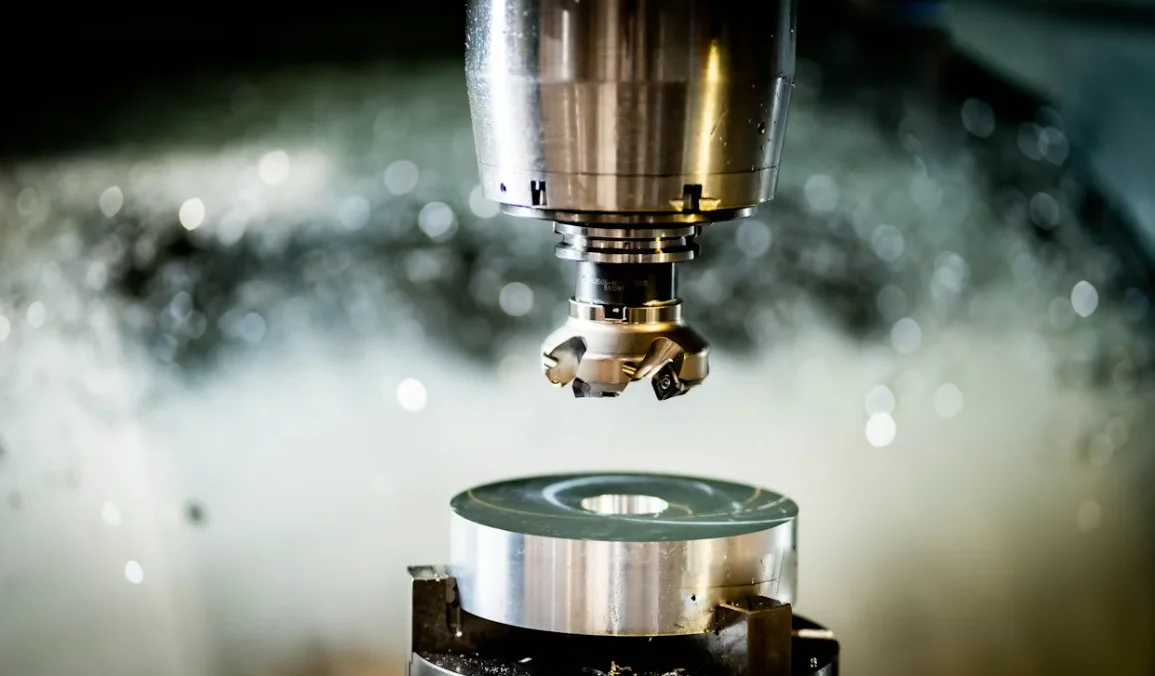
The world of manufacturing in 2026 looks quite different from ten years back. Custom CNC machining drives much of this change. It has grown from a special skill to a main part of today’s factories. As making things gets more digital and focused on personal touches, these machines help spark new ideas, quick changes, and strong edges in business.
Precision Engineering as a Catalyst for Industrial Innovation
Custom CNC machining stands out for its top-notch accuracy. It handles tiny measurements down to microns. This matters a lot in tough fields like aerospace, medical care, and car making. Those areas need parts with tricky shapes that old ways can’t make reliably.
These machines not only form those detailed shapes. They also make them over and over without mistakes, even for hundreds or thousands of pieces. That steady work keeps plane engines safe and tools for surgery dependable. New cutting tools open up fresh design options too. Take aerospace, for example. There, special titanium parts made by CNC help build lighter yet tougher plane bodies. In health care, bone replacement pieces fit each patient’s body scan exactly. They require that exact micron-level work. I recall a case where a hospital needed custom implants fast after an accident—precision like this saved time and lives.
Agile Manufacturing for On-Demand Production
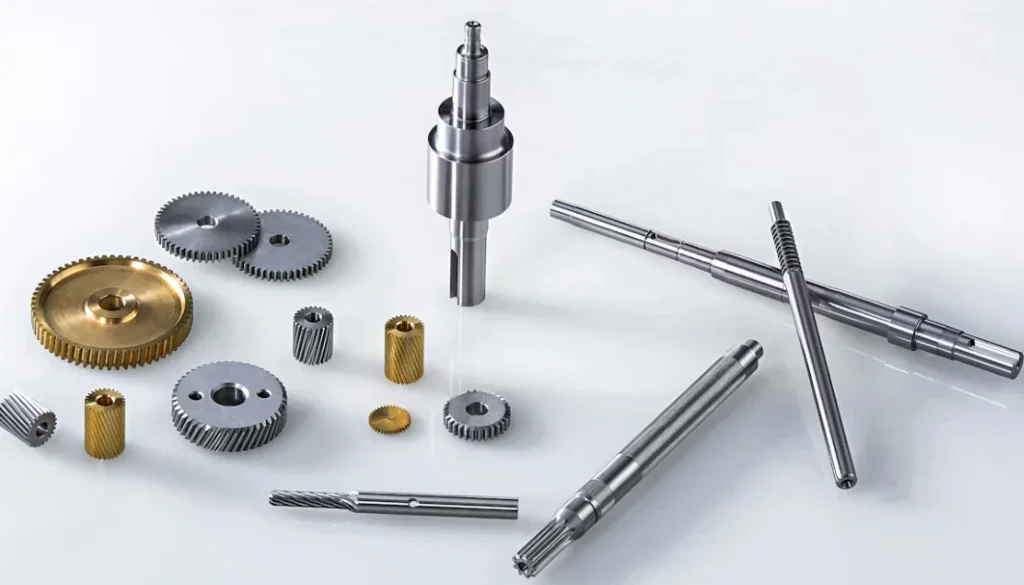
Custom CNC machining fits quick work styles better than old setups. Say you’re testing a new robot arm part or tweaking electric car drive boxes. With CNC, you turn a computer design into a real item in just hours. Not weeks.
This cuts down wait times. It helps with on-the-spot making and less storage needs. You can handle small runs without big changes to tools or machines. That gives the bend you need in today’s up-and-down markets. Computer steps, from 3D drawings to program setups, shorten the gap between idea and final product even more. For new companies, this might mean getting a product out five months sooner. For big makers, it helps beat rivals to the shelves. In one factory I heard about, they switched to this and cut their prototype time by half, which really boosted their sales.
Integration with Smart Factory Ecosystems
By 2026, CNC machines link up as key parts in smart factory setups. They don’t stand alone now. Instead, they connect to internet things systems. These share live info on tool use, spin speeds, or room conditions.
Such links support smart fix-ahead plans. You avoid stopping work from sudden tool breaks. Systems warn workers days early. This drops lost time and lifts output. Info from CNC runs also gives clues on run times and waste levels. It helps ongoing tweaks across the whole shop. Factories using this see about 20% less downtime, based on recent reports.
Why Is Customization Driving Demand for CNC Machined Parts?
Making things custom isn’t a fancy extra anymore. It’s a must for business success. Fields are moving to designs that match exact needs, rules, and brand styles. Custom CNC machining fits this trend perfectly.
Industry-Specific Requirements for Tailored Components
Each field has its own rules and wants. In defense work, for instance, supports or holders must hit military specs. They might use rare metals or odd shapes. Robot makers could need special covers with built-in wire paths or cooling spots.
Tricky builds often rely on made-to-order fits. These wouldn’t happen without CNC skills. Don’t overlook rule-following either. Health parts must meet FDA or ISO marks right at the piece level. With custom CNC, you skip ready-made limits. You create from scratch to fit the plan.
Rising Expectations for Product Differentiation
Buyers want more than just work now. They seek looks, comfort in use, and one-of-a-kind traits. This rings true in gadgets or top gear areas.
CNC lets you add feels, curves, and carved marks straight on metal. It lifts both style and use. Companies push design limits since tool blocks don’t hold them back. A fresh door joint idea can get tested quick. No weeks for forms or stamps. Think of a bike maker who added custom engravings— it made their products stand out in stores.
Shorter Product Life Cycles Requiring Design Flexibility
Item life spans shrink fast. In tech spots, updates come every year or so. Old making can’t match that pace. But CNC can.
This custom work lets you change designs swiftly. If a buyer notes a fit problem in a sensor box, you tweak the drawing and make a fresh set in days. Such give helps makers respond to buyer input quick. No stuck with old piles.
What Technological Advancements Are Enhancing CNC Capabilities?
If you’re in making things now, you see a big push in CNC tech. The machines run quicker, brighter, and more on their own. This widens what shops can do.
Multi-Axis Machining for Complex Part Fabrication
Today’s five-axis CNC setups move on many lines at once. So, you need fewer steps. You get closer fits on bent areas and smoother finishes.
No more shifting pieces often, which leads to slip-ups. You finish detailed forms in one go. Picture fan blades or back bone aids that need strength and exact bends. These machines use smarter cut routes too. They waste less stuff and end jobs faster. In a recent auto plant upgrade, this cut setup time by 30%.
Automation Through Robotics and Tool Changers
Running without lights on isn’t just talk anymore. Robot arms now add raw blocks and take done pieces without people. Auto tool swaps let one machine do drill, cut, thread jobs in order. No pauses.
You get more output at lower people costs. If your place works odd hours or takes rush jobs at night, this setup is key. Not a choice. One shop owner shared how robots helped them handle double shifts without extra hires.
Software Integration with CAD/CAM Platforms
New drawing and program tools link tight with CNC brains. This cuts mix-ups in turning plans to actions. It smooths out cut path making.
Smart test tools let you run code checks before cutting metal. You spot clashes or waste early. This helps with pricey stuff like special steels, where errors cost big in time and cash. Saves headaches down the line.
How Does Custom CNC Machining Support Supply Chain Resilience?
After the health crisis, with world fights and ship jams still around, strong supply lines are key to staying afloat. Custom CNC machining helps a lot here.
Localized Production to Reduce Global Dependencies
Setting local CNC spots lets makers cut ties to far-off sources. It skips waits from sea routes or border checks.
Local work shortens waits and keeps quality in hand. It also trims travel fumes, good if green reports count for your group.
Rapid Response to Market Fluctuations or Emergencies
Want breather machine bits next day? Or fix gears from storm damage? CNC places switch quick from car work to urgent needs. The gear works for many jobs.
Run sizes change easy with market swings. No full line resets like in plastic pouring or sheet pressing. During a supply crunch last year, one firm pivoted to make masks parts overnight.
Improved Inventory Management Through Digital Manufacturing
Virtual copies let you keep part plans on computer, not shelves. When called, you cut them fresh. This drops hold costs and stops extra making.
Live track of builds adds clear sight on part paths. Old planning tools often miss this alone.
In What Ways Is Sustainability Achieved Through CNC Machining?
Green ways go beyond stuff used. They cover better steps too. Custom CNC adds real value in a few areas.
Material Efficiency from Subtractive Precision Processes
Smart cut lines mean less start stuff turns to junk. The bits from cutting, like from light metals, recycle full. They loop back into use cycles.
High make rates cut waste per item. Key for hard-to-get or power-hungry metals. In one study, shops saw 15% less scrap this way.
Energy Optimization in Modern CNC Equipment Designs
New CNC gear uses way less power than old ones. Many have speed changers that match energy to job weight.
Quiet times get handled by brainy controls that turn off extras auto. Some even catch energy from slow-downs and send it back to power lines.
Support for Sustainable Product Development Goals
Cutting weight shines in car and plane work aiming to drop fumes via less mass.
Working with reused metals or green-sourced ones adds green fit. Small runs mean no big over-makes to hit min orders. Less junk overall. A car company used this for lighter parts, cutting fuel use by 10% per vehicle.
Why Are Global Manufacturers Investing Heavily in Custom CNC Services?
Big firms to local builders pour cash into custom CNC help lately. And it makes sense.
Competitive Advantage Through Advanced Manufacturing Capabilities
Making special bits fast gives a leg up in business-to-business or buyer spots. Like a cooler with secret flow ways or bike parts with brand marks cut in. Custom work turns to real worth.
Exact-cut pieces raise trust scores over time. It builds name strength where breaks aren’t okay, say in space gear or cut tools.
Cost Optimization Across the Product Lifecycle
Computer flows slash test model costs. No early forms or holds needed. In full runs, spot-on work drops bad rates and fix bills.
Tough pieces mean less swaps later. Big in dig or heavy gear spots where stops cost by the clock. One mine operator cut repair needs by 25% with better parts.
Strategic Alignment with Industry 4.0 Objectives
CNC tech slides easy into digital shift plans. Piece-by-piece machine builds take add-ons or program fixes without huge changes.
Info from CNC feeds smart models that guess wear or plan runs best. It links to cloud run controls.
How Will Emerging Markets Benefit from Custom CNC Machining?
Growing areas gain big from new custom CNC steps. Not just buying, but making and building fresh factory ways.
Democratization of Access to Advanced Manufacturing Tools
Cheap small CNC cutters bring hard part work to tiny shops or school rooms. Some lands give money help or tax breaks for local firms taking digital tools. Shift from buying done goods to home making.
Web spots link these local groups to world needs. Even far-off shops serve big clients now.
Workforce Upskilling Through Digital Toolchains
Learn plans mix drawing programs with real machine time. This makes mix jobs where planners know code on the floor too.
It builds strong worker groups that shift roles fast. Vital for new lands starting from base.
Growth of Export-Oriented Manufacturing Clusters
Exact cut skills open high-pay deals, from plane sub-parts to gadget boxes. As know-how groups up local, spots form that draw outside cash. It sparks home chains and wider growth. In Southeast Asia, clusters have boosted exports by 40% in five years.
FAQ
Q1: What makes custom CNC machining better than traditional manufacturing methods?
A: It allows production of complex parts with tight tolerances and short lead times without needing expensive molds or retooling setups.
Q2: Can small businesses afford custom CNC machining?
A: Yes, desktop CNC machines and online service platforms have lowered the entry barrier significantly for startups and SMEs.
Q3: How does custom CNC help reduce environmental impact?
A: It reduces material waste through efficient cutting paths and uses recyclable metal chips while supporting low-volume production that avoids overstocking.
Q4: Is custom CNC machining suitable for mass production?
A: While ideal for prototyping and mid-volume runs, modern multi-axis systems and automation now support scalable production as well.
Q5: What role does software play in modern CNC operations?
A: Software controls everything from tool paths to predictive maintenance while integrating CAD designs seamlessly into machine execution flows.