
What Are the Benefits of Swiss CNC in Precision Machining
What Is Swiss CNC Machining?
Swiss CNC machining, sometimes known as Swiss turning, is a special way to make precise small parts. It focuses on creating tiny, detailed pieces with great care. This method mixes turning and milling in one setup. That makes production smooth and quick. Many fields value it highly. They need exact sizes and smooth surfaces for their work.
Definition and Characteristics
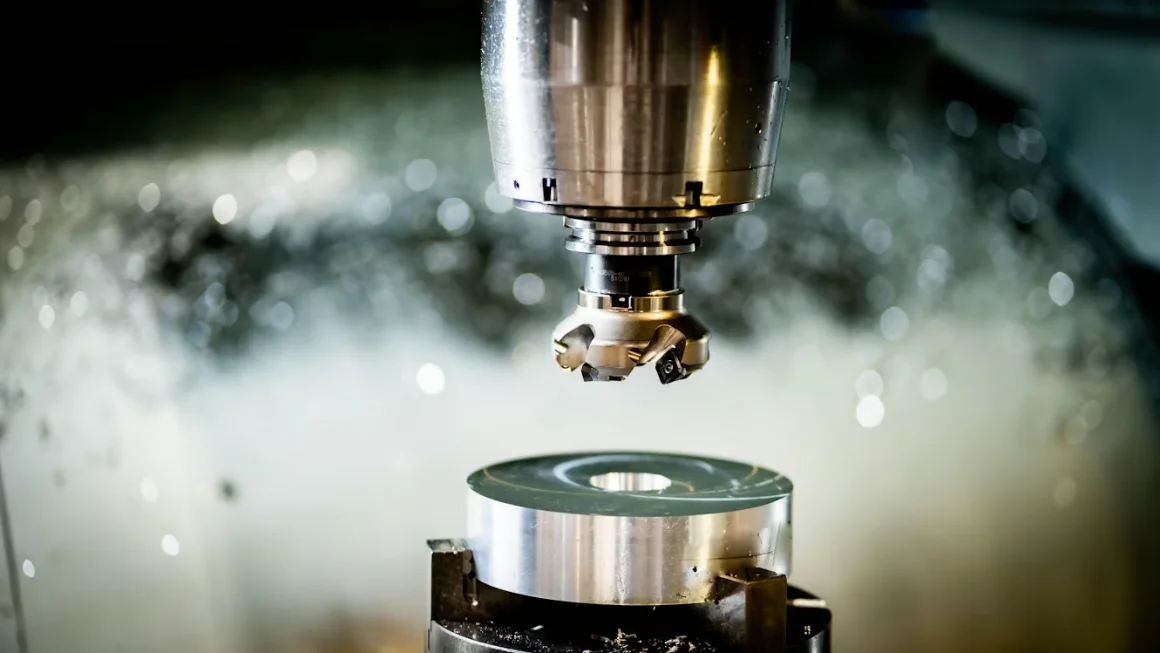
Swiss CNC machining means the part gets held by a guide bushing. This happens right near the cutting tool. It cuts down on bending and shaking. So, the work turns out very exact. This setup works best for parts with small widths. They need fine details, like screws for medical tools or fasteners for planes. In real use, these machines do several jobs at once. They turn, drill, and mill without moving the part around. This boosts speed a lot.
Historical Development
The start of Swiss CNC machining goes back to Switzerland’s watch industry in the late 1800s. Watch makers needed tools for tiny parts. These parts had to fit within very small limits. At first, they used hand-operated lathes. Later, these changed into automatic sliding headstock machines. In the middle of the 1900s, number-based controls came along. They changed everything into modern Swiss CNC machining. Now, these machines use computer systems. They run fast and keep things steady.
Distinctive Features
Swiss CNC machining shines because it holds very tight measures. This works even on long, thin pieces. The machine’s build lets axes move together. It shortens tool paths and boosts rightness. Another key part is live tooling spots. They handle extra jobs like drilling across or cutting slots in the same run. This skips multiple setups. It helps in making lots of items quickly.
How Does Swiss CNC Achieve Precision?
Getting exact results in Swiss CNC machining comes from smart machine parts and controls. These cut out mistakes at each step. Three main things help the most: the guide bushing setup, the sliding headstock build, and the multi-axis options.
Guide Bushing System
The guide bushing holds the part close to where the cut happens. This lowers bending from the cut’s push. Regular lathes leave material hanging out from a chuck without support. But here, just a small bit sticks out at a time. This keeps things round and true. It works for parts as slim as 1 mm wide. Picture holding a pencil near the point when you sharpen it. That way, it stays firm and easy to handle.
Sliding Headstock Design
In the sliding headstock, the material moves toward the tool. The tool does not move much to reach it. This lets you work on long, skinny parts without noise or warp from force. It’s great for tough stuff like titanium or stainless steel. These bend easy if not held right.
Multi-Axis Capability
Today’s Swiss CNC machines can have up to 10 axes. This lets them make tricky shapes. Think cross-holes, threads, or slots. All in one go, no hands needed. For instance, a bone screw for surgery with twist lines gets done in a single flow.
Why Choose Swiss CNC for Precision Machining?
Pick Swiss CNC when you want top accuracy, quick work, and steady output. It beats old turning ways. These machines fit jobs where small slips could hurt how things work or stay safe. I’ve seen shops switch to this and cut down errors that used to waste hours.
Superior Accuracy and Tolerances
Swiss CNC machines hit measures within ±0.0002 inches, or about ±5 microns. That’s key for plane parts or health tools. Here, how pieces fit can make or break if they work right or keep folks safe. In one case, a medical firm used it to match parts that saved lives in implants.
Enhanced Efficiency and Speed
Tools work on different spots of the part at the same time. So, each cycle takes less time than on basic lathes. The built-in auto parts also cut waits between steps. Factories report up to 30% faster runs on high batches.
Versatility Across Materials and Industries
Swiss CNC handles many stuff types. From simple aluminum and brass to strong mixes like Inconel or titanium. It even does special plastics for surgery tools or phone cases. This wide range makes it a go-to for varied shops.
What Are the Cost Implications of Using Swiss CNC?
To figure costs for Swiss CNC, look at startup money and ongoing gains. It’s not cheap at first, but it pays back in smart ways over time.
Initial Investment Costs
Swiss lathes cost more than plain ones. Their tricky insides and control setups drive the price up. Still, the early spend often comes back. It cuts down on worker time and ups part quality. A small shop I know bought one and saw returns in under a year from better sales.
Operational Efficiency Savings
These machines do many tasks together with little watch from people. That means less trash from fixes or wrong lines. Power use per piece drops too, thanks to fast cycles. Over a month, that adds up to real cash saved.
Long-Term Financial Benefits
In the long run, good part quality cuts rejects. It also lowers check times. For firms making thousands of exact bits each month, this means big savings. Profit goes up as waste goes down. It’s like turning a cost center into a money maker.
How Does Swiss CNC Benefit Various Industries?
Swiss CNC has turned into a must-have for areas needing small sizes and sure results. Tight rules push its use. From health to planes, it fits right in.
Medical Device Manufacturing
Makers of health tools count on Swiss CNC for bits like bone screws, tooth implants, and tube ends. These need perfect smooth spots without rough edges or tiny breaks. One clinic supplier told me it helped them meet FDA checks every time, no fails.
Aerospace Component Production
For planes, cutting weight but keeping power matters a ton. Swiss parts like fuel sprayers or sensor boxes do that. They hold steady across lots of pieces. In engine tests, these hold up under heat and pressure that would crack weaker ones.
Automotive Parts Manufacturing
Car part makers use Swiss lathes for big runs of exact shafts, pins, or valve bits. Steady sizes make engines run smooth for millions of turns. Think of a busy auto line— this keeps delays low and quality high.
What Are the Challenges Associated with Swiss CNC?
Swiss CNC is strong and flexible, but it brings hurdles. Pros need to watch them close. Not everything’s easy, especially in busy shops.
Complexity in Setup and Programming
Setting up multi-axis paths takes know-how in CAM software. Workers must be sharp on it. A small mistake can scrap costly runs if missed in test runs. I’ve heard of teams losing a day to fix one code slip.
Maintenance and Upkeep Requirements
These run fast with close fits, so check-ups matter. Oil ups and spin tweaks keep it going right. Skip them, and accuracy fades quick. Regular care, like weekly looks, stops big breakdowns.
Limitations in Part Size
Swiss machines do great on small to mid sizes. But big round pieces don’t fit well. The bushing and spin length limit them. For huge jobs, you switch to other tools.
How Is Technology Advancing Swiss CNC Capabilities?
New tech keeps improving Swiss gear. It opens up fresh ways to work. Things get smarter and tougher each year.
Integration of Automation Technologies
Auto systems like robot feeders now load bars and take off done parts. This runs non-stop, even at night, without folks around. A factory near me added this and doubled shifts without extra hires.
Advances in Tooling Materials
Fresh carbide layers and clay-like inserts last longer. They stay sharp in hard spots. That’s big for cutting plane engine metals or clean steels for ops. Tools now handle 50% more pieces before swap.
Adoption of Smart Manufacturing Practices
Sensors track shakes or heat during jobs. Linked systems look at the info. They spot tool wear early. This stops quality drops. In practice, it cuts surprises and keeps runs smooth. Plus, data helps plan better for next batches.
FAQ
Q1: What materials are best suited for Swiss CNC machining?
A: Metals like stainless steel, titanium alloys, brass, aluminum alloys as well as engineering plastics such as PEEK are commonly used due to their machinability under tight tolerance conditions. These pick up well on the machine without much fuss.
Q2: How small can parts be produced using this method?
A: Parts as tiny as 0.5 mm in diameter can be accurately machined depending on tooling configuration and machine capability limits. It’s wild how precise it gets for such little things.
Q3: Is Swiss CNC suitable for prototype development?
A: Yes; although originally designed for mass production runs, modern setups allow quick changeovers making them practical even for low-volume prototyping work requiring fine detail accuracy. You can tweak a few without big waste.
Q4: Can complex shapes be produced without secondary operations?
A: Absolutely; thanks to live tooling stations combined with multi-axis controls most secondary processes like threading or cross-drilling occur within one continuous cycle eliminating extra handling steps. It saves time and hassle.
Q5: What industries benefit most from adopting this technology?
A: Medical device manufacturers aerospace suppliers automotive component producers electronics firms all gain efficiency reliability plus unmatched dimensional control through adoption of advanced swiss cnc systems. They all see real wins in daily output.