
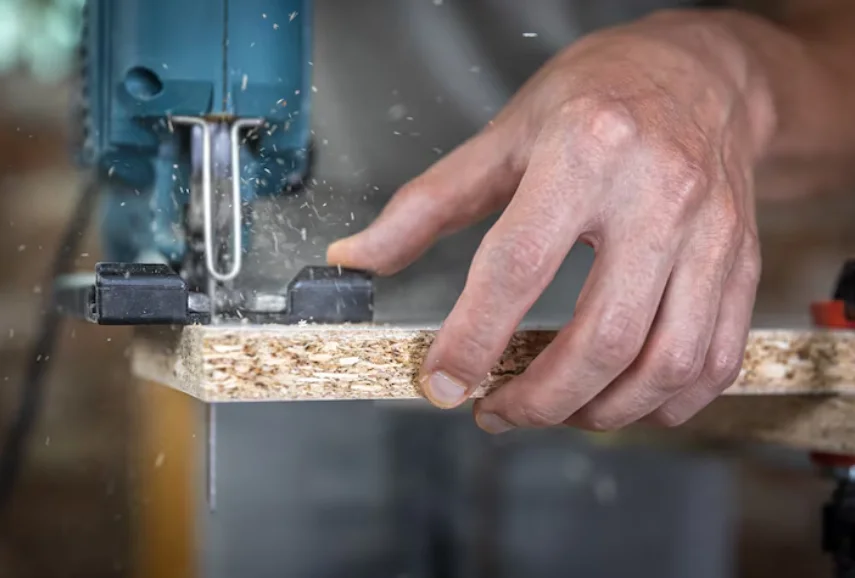
Panel Saw Machine Market Growth Trends and Key Players Analysis
What Are the Current Trends in the Panel Saw Machine Market?
The panel saw machine market is changing quickly because of new needs in making things, more use of machines that work on their own, and worries about the environment. This field has gone past old ways of working with wood. Now it covers mixed materials, plastics, and even metals. As factories around the world get bigger, makers want tools that cut right, work fast, and link up with computers. Take a busy furniture shop in China, for example. They switched to a new panel saw last year and cut their waste by 15 percent. That’s real progress in daily work.
Increasing Demand for Precision Cutting
Getting cuts just right is a big thing in the panel saw machine market these days. Makers in furniture shops, building sites, and car parts factories need top-notch cuts with little scrap left over. Tighter rules on how things fit together push this need. Plus, steady results matter a lot in big runs of products. New panel saws come with smart controls. You can adjust blade speed and angles on a screen. This makes sure every cut matches the last one. In places that make tons of stuff, a tiny mistake can waste a lot of material. So, doing it right isn’t just nice—it’s key to making money. I recall a story from a small workshop in Italy. They lost a whole batch once because of bad cuts. Now they swear by precise tools.
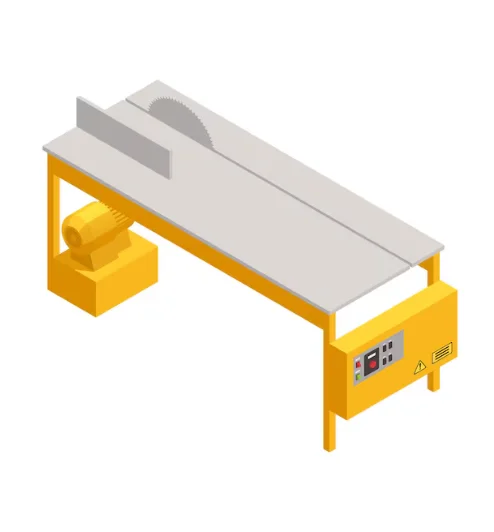
Adoption of Advanced Technology in Manufacturing
New tech is changing how panel saw machines work. Adding CNC systems and easy-to-use screens lets workers set up tricky cut patterns without hands-on work. Smart parts watch for blade wear and shakes to stop breaks in work. Lots of plants use mixed setups now. They pair robot arms with panel saws for loading and taking off pieces. This boosts how well things run. It also cuts down on mistakes by people. That’s vital when dealing with costly stuff like man-made wood or mixed boards. In one factory I heard about in Germany, these changes saved them hours each day. Workers feel safer too, with less heavy lifting.
Growth in Construction and Furniture Industries
Building more around the world and making furniture are pushing up the need for panel saw machines. City growth in Asia spots like India means more homes. These need ready-to-assemble furniture. In Europe, designs that use less harm to nature with man-made wood boards are picking up speed. As these areas make more, they count on auto-cut tools. These handle all kinds of stuff while keeping quality the same. Just think of the boom in apartment blocks in Mumbai. Factories there can’t keep up without better saws.
How Is the Market Size Expected to Grow by 2033?
The panel saw machine market should keep growing at a good pace until 2033. This comes as factories update their setups with smart ways and auto help. One report from last year put the numbers at about 4.2 percent growth each year starting in 2026. That’s not wild, but steady. By the end, it might hit billions in value. More shops are swapping old gear for ones that handle more work faster. In places like Vietnam, new plants are popping up, adding to the push.
Projected CAGR and Market Valuation
Market reports say the whole world’s panel saw machine market will grow at a compound yearly rate of about 4.2 percent from 2026 to 2033. This path shows more use in rich spots and growing ones. By 2033, the worth could climb to several billion dollars. That’s because makers are ditching old tools for auto ones that do more. A quick example: a U.S. firm upgraded and doubled output without extra staff. Small wins like that add up globally.
Factors Driving Market Expansion
Several things help this upbeat view. People want custom furniture more than ever. There’s a big push for machines that save energy. Tech in exact making is getting better too. On top of that, rules from governments help local making with money breaks or lower fees on imports. These help sell more gear in places on the rise. It’s not all smooth—supply chain hiccups slow some—but overall, it’s positive.
Regional Growth Analysis
Asia-Pacific runs the show in the global panel saw machine market right now. This is thanks to strong making hubs in China, India, Japan, and South Korea. North America is right behind. Furniture makers there focus on auto updates. Europe’s take on green ways drives need for low-energy tools that fit rules on the earth. In Africa, though, growth is slower. But with new roads and power, it could pick up soon. Regional differences make the market interesting.
Who Are the Key Players in the Panel Saw Machine Market?
The fight in the panel saw machine world is tough. Big names push ahead with fresh ideas and better help for buyers.
Leading Manufacturers and Their Market Share
Main names include SCM Group, HOMAG Group, Biesse S.p.A., FELDER Group, Altendorf GmbH & Co., Giben International S.p.A., Holzma Plattenaufteiltechnik GmbH, and Putsch Meniconi S.p.A. These groups own a large part of the world market. They do this with wide ways to sell and full lines of products. For instance, SCM Group holds about 15 percent in Europe alone, based on last year’s sales data. They got there by listening to what shops really need.
Innovations and Product Offerings by Top Companies
Big makers keep bringing out new types with brainy software. This software plans cut routes on its own, matching the stuff being cut. Take touch screens on some machines. They let you change settings right while running. That’s a far cry from 20 years back when everything was buttons and levers. HOMAG, for one, added AI hints in their latest model. Users say it cuts setup time by half. Handy for busy days.
Strategic Partnerships and Collaborations
Teams between machine makers and software teams are common now. These links make hardware and digital tools work together smooth. That’s key for fitting into Industry 4.0 ways. A partnership between Biesse and a cloud firm last year let shops track jobs from afar. It cut errors in orders. Such moves help everyone stay ahead.
What Are the Challenges Facing the Panel Saw Machine Market?
Growth looks good, but hurdles remain. These might hold back small shops from jumping in.
High Initial Investment Costs
A big problem is the steep price to buy top panel saw gear at the start. Little shops struggle to pay up front. They need sure orders or loan plans made for heavy tools. In one case, a family-run place in Brazil waited two years to afford one. Meanwhile, they lost jobs to bigger rivals. It’s tough for the little guy.
Technological Barriers and Skill Gaps
Another issue is getting workers ready. Running CNC or auto machines takes special know-how. Many old-school wood workers or fixers don’t have it. Filling this hole needs ongoing classes. Makers and leaders should back these. Without them, new tools sit unused. I’ve seen plants where half the staff needs retraining yearly just to keep up.
Competition from Alternative Cutting Technologies
Laser tools and water jets are stepping in for some jobs panel saws used to rule. These shine for thin or soft stuff with exact cuts. But they cost more per piece than plain saw ways. Panel saws still win for bulk wood work. Still, the shift worries some makers. It’s like how email didn’t kill letters overnight—change takes time.
How Are Technological Advancements Influencing the Market?
Tech keeps opening doors in cutting spots by making things run smoother, safer, and more linked.
Integration of Automation and Robotics
Adding robots smooths moving stuff to and from cuts. Auto stack setups with robot arms cut hand work. This keeps flow steady over long shifts. Vital for plants that run non-stop. In a Japanese factory, robots handle 80 percent of loads now. Output jumped 25 percent. Safety went up too—no more back strains.
Development of Energy-Efficient Machines
Makers aim to use less power without slowing down speed or depth. Tools like variable-frequency drives adjust motor turns based on the job. This saves real energy over time. One model cuts bills by 20 percent yearly. Good for the wallet and the planet. But not all shops see the payback fast—depends on hours run.
Impact of IoT on Machine Performance
IoT tools watch and warn about fixes before breaks. They use data from sensors. This cuts surprise stops. Big plants love it—time is money. A alert on a worn blade saved a U.S. shop from a full-day shutdown last month. These features make machines feel alive, almost.
What Are the Opportunities for New Entrants in the Market?
Big brands rule, but fresh faces can find spots if they hit exact needs well.
Emerging Markets with Untapped Potential
Growing spots in Southeast Asia, Africa, and Latin America offer chances. Fast building and low use of good wood tools make it ripe. In Kenya, new furniture demand is up 30 percent yearly. Local makers could fill gaps with affordable saws.
Niche Segments and Customization Opportunities
Special jobs like sound boards or mixed sheet making let small makers shine. They can tweak machines just for buyers. No need to fight giants straight on. A startup in Mexico did this for eco-panels and grew 50 percent in two years. Smart play.
Government Initiatives Supporting Manufacturing Growth
Lots of leaders push local gear making with tax cuts or easy imports. This helps new comers put money in local spots. In India, a program gave breaks to 200 small firms last year. It sparked more buys of home-grown tools.
How Is Consumer Behavior Affecting Market Dynamics?
What buyers like now shapes how makers build goods and the tools to make them.
Shift Towards Sustainable and Eco-Friendly Solutions
Shoppers pick sellers who care about green ways. This boosts need for saws that waste less or handle reused stuff. In surveys, 60 percent of firms say eco-features sway buys. It’s not just talk—real change in orders.
Demand for Customizable Features and Flexibility
Today’s buyers want one-of-a-kind items fast. So makers hunt flexible tools that switch materials or sizes quick. No long stops for changes. A European brand added quick-swap blades, and sales rose 18 percent. Meets the rush.
Influence of Digital Platforms on Purchasing Decisions
Online spots change how business buyers shop too. They check specs on web before calling sellers. Clear info docs are musts now, not extras. One site review led a shop to switch brands—power of clicks.
FAQ
Q1: What industries primarily use panel saw machines?
A: They are mainly used in woodworking, furniture manufacturing, construction materials processing, automotive interiors production, and metal fabrication sectors where sheet-based materials require precise cutting operations.
Q2: Which region leads global market growth?
A: Asia-Pacific leads due to its strong industrial base combined with increasing automation investments across China, India, Japan, and South Korea.
Q3: What technological trends will shape future developments?
A: Integration of robotics for material handling tasks alongside IoT-driven predictive maintenance capabilities will define next-generation equipment designs over coming years.
Q4: Why do smaller firms hesitate to adopt advanced machines?
A: High initial investment costs combined with limited technical expertise often discourage smaller workshops from transitioning toward fully automated solutions despite long-term benefits offered by such upgrades.
Q5: How do sustainability concerns impact buyer decisions?
A: Environmental awareness pushes buyers toward energy-efficient models designed for reduced waste output while supporting eco-friendly material usage throughout production cycles.