
Are CNC Machining Centers Redefining Precision Compared to Traditional Machines
How Do CNC Machining Centers Enhance Precision Compared to Traditional Machines?
CNC machining centers form the core of today’s accurate manufacturing. They offer better accuracy, reliability, and oversight than old manual or partly automatic machines. This change comes from both mechanical upgrades and the addition of digital smarts and automatic features. These elements cut down on differences in production batches.
Advanced Control Systems and Automation Capabilities
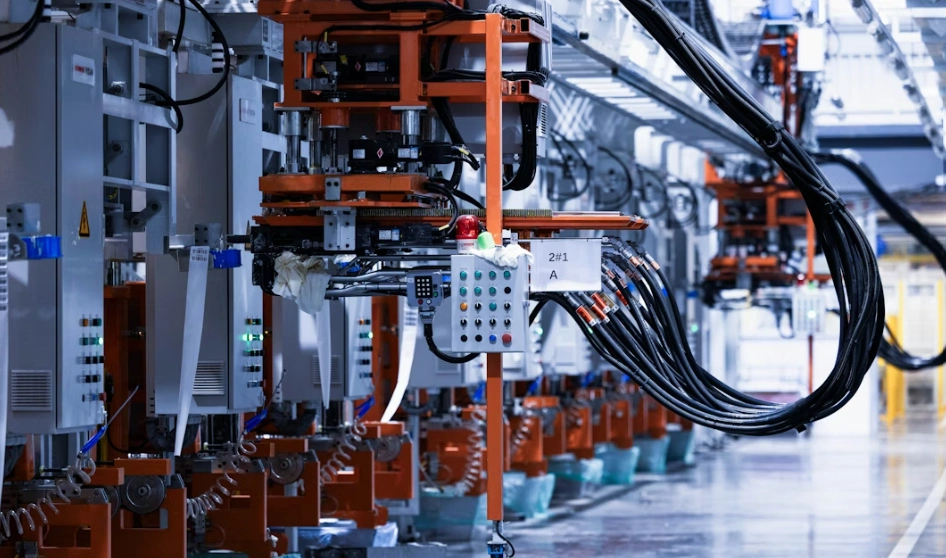
CNC machining centers use computer numerical control systems. These systems turn digital plans into exact actions. Manual lathes or mills do not do this. Instead, CNC systems hold steady positions with servo motors and feedback encoders. Automation removes mistakes from human operators. As a result, dimensions stay accurate during long runs. Multi-axis control is common. It often includes 3-, 4-, or 5-axis setups. This lets machines handle tricky shapes without many changes. It cuts down on total errors. It also leads to better surface quality. In fields like aerospace or medical devices, this level of detail matters a lot. For example, a small part for an airplane engine must fit perfectly, or it could cause big problems.
Integration of Real-Time Feedback and Adaptive Control
New CNC machining centers include sensors. These watch spindle load, shakes, and heat right away. The sensors send info back to the control system. Then, the system changes feed speeds or tool routes if things go off track. This smart adjustment fixes issues like heat swelling or tool damage on the spot. It keeps parts within tiny limits, even if the room temperature shifts. Old machines rely on the worker’s guesswork for fixes. That often leads to uneven results. In a busy shop, I’ve seen how this real-time check stops small issues from turning into waste.
High-Performance Tooling and Spindle Technology
The spindle sits at the center of every machining center’s work. Quick spindles often run over 20,000 RPM. They cut through tough stuff like titanium or hard steels without trouble. They stay steady too. Automatic tool changers switch tools fast. Drilling, milling, or tapping happens in seconds. This cuts down on wait times. Tools that are ground to exact shapes, plus strong spindle bearings, create even surfaces. They hold tight measures better than hand setups ever could. Think about making a car part—smooth edges mean it fits right the first time.
What Role Does Software Play in the Precision of CNC Machining Centers?
Software shapes how well a CNC machine does its job. It covers everything from coding to fake runs and watching the process. Digital tools connect the plan to the real build.
CAM Programming and Path Optimization
Computer-aided manufacturing software, or CAM, makes better tool paths. It starts with 3D models from CAD systems. The software runs pretend cuts before the real ones. This spots crashes or extra cuts early on. It saves materials and hours. Even cuts spread the work on tools. This boosts accuracy and makes tools last longer. In practice, a shop might test a new bike frame design this way, avoiding costly mistakes.
Integration with CAD Data for Seamless Production
CAD models link straight to CNC controls. This skips hand-entered data mistakes from old ways. Every part, like hole spots or edge lines, turns into machine spots directly. This close tie keeps the design specs matching the end results. If a change comes in design, new CAD files load fast. No need to start coding over.
Data Analytics for Process Optimization
CNC machining centers now link to analytics tools. These gather work data from each run. Learning programs look at the info. They spot patterns, like slow shifts in accuracy or odd shakes, before bad parts pile up. Smart guesses suggest fixes or check-ups ahead of time. Over months, this loop improves settings for steady batches. It’s like having a watchful eye that learns from every job.
In What Ways Do CNC Machining Centers Improve Efficiency Over Traditional Machines?
Gains in efficiency go beyond just quick speed. They come from clever steps that cut out useless parts in the work flow. For instance, a factory might finish twice as many parts in a day without extra staff.
Multi-Axis Machining for Complex Operations
Multi-axis features let the machine move on several levels at once. It cuts hard parts in one go, not many. A piece that needed three holds on a hand mill now finishes in one on a 5-axis center. This shortens times a lot. It also drops errors from moving things around. Workers appreciate this, as it means less hassle between jobs.
Automation in Tool Management and Material Handling
Automatic tool changers hold many tools inside the machine. They switch as the program calls for it. Some places add robot arms. These load fresh stock or take done parts away. This runs machines all night with little watch. It keeps things going without breaks.
Reduced Setup Time Through Digital Calibration
Digital checks use laser probes or touch tools to find start points on the work. This happens before cutting begins. It beats slow hand methods that often mess up. Setups take less time now. Repeat jobs come out the same each round. In a real shop, this might save an hour per batch, adding up fast.
How Do CNC Machining Centers Contribute to Quality Control in Manufacturing Processes?
Quality checks are part of CNC systems from the start. They do not wait for a look-over at the end.
In-Machine Measurement and Inspection Systems
Probes inside the machine check key sizes during the work. No need to pull the part out. If something is off the limit, the system fixes the next cuts right away. This loop cuts scrap. It skips waits from outside tools. Picture checking a medical tool mid-make—flaws get fixed on the fly.
Statistical Process Control Integration
Many shops tie CNCs to stats software. It watches size changes live as things run. If spreads go over set lines, alerts pop up. Workers act before bad batches grow. This keeps quality even in big outputs. It’s a steady hand on the process.
Traceability Through Digital Records and Reports
Every move on a CNC machining center gets saved digitally. Spindle shifts or probe checks all log in. These files help with rules in fields like aerospace or medical work. Full views of steps meet cert needs. Records make it easy to trace back if issues arise.
Why Are CNC Machining Centers More Adaptable to Modern Manufacturing Demands?
Being able to change quickly sets top shops apart now. Product lives get shorter. Custom needs grow. CNC fits right in.
Flexibility in Handling Diverse Materials and Designs
Program CNC to cut aluminum one day. Switch to composites the next. Just tweak speeds or coolant in the software. No big hardware changes. This helps fast test areas where ideas shift quick. A team might prototype a new gadget part in hours, then adjust for the next version.
Compatibility with Smart Manufacturing Systems
CNC machining centers join Industry 4.0 setups easy. IoT parts share data live with main systems. Bosses check machine health from afar. Dashboards show power use or output speeds. This speeds up choices across teams. It’s handy for spotting slowdowns before they hit.
Scalability from Prototyping to Mass Production
One machine makes single test pieces. It scales to big runs once checks pass. Plan software lines up jobs without stops. This works for custom and regular orders side by side. Flexibility like this keeps a shop busy year-round.
How Do Maintenance Practices Differ Between CNC Machining Centers and Traditional Machines?
With new gear, care moves from fix-after-break to spot-trouble-early. This shift saves time and money.
Predictive Maintenance Through Sensor Monitoring
Sensors inside track shakes, heat in bearings, oil pressure, and more. They watch all the time. If something feels wrong, smart tools plan fixes before stops happen. This beats old ways that wait for sights of trouble. No surprise halts that cost a fortune. In my view, it’s like a doctor checking vitals daily.
Simplified Diagnostics via Digital Interfaces
Control screens show clear messages. They point to exact spots needing help, like a spindle overload or axis issue. No more hunting with tools or meters by hand. Techs see alerts from anywhere with app links. Response comes quicker. It makes upkeep less of a headache.
Reduced Wear Through Precision Lubrication Systems
Auto oil systems give just the right amount where it goes, on schedule. This skips uneven hand greasing. Steady oil cuts down on rubs in tracks and screws. Parts last years longer. Accuracy holds up over time. A well-oiled machine runs smooth, much like a bike chain that gets regular care.
Are CNC Machining Centers a Sustainable Alternative to Traditional Machines?
Green choices now weigh as heavy as output in buys. CNC steps up here too.
Energy Efficiency Through Intelligent Power Management
Drives that change speed match real needs. They do not run full blast like old ones. This drops power use over shifts. Standby cuts power to quiet parts between jobs. It saves juice without slowing starts. A shop might see bills drop by 30% with this setup.
Material Utilization Through Precise Cutting Strategies
Controlled paths take only what’s needed. Less scrap per job than hand mills, where slips lead to extra cuts and redo waste. This helps the planet and the wallet. Precise work means more from each sheet of metal.
Lifecycle Sustainability Through Upgradable Hardware
CNC builds let you add parts bit by bit. Faster chips or better sensors swap in. No full toss-outs every few years. This cuts e-waste. Firmware tweaks keep it fresh longer than old gear. Machines stay useful, reducing the need for new ones often.
FAQ
Q1: What makes cnc machining centers more accurate than traditional machines?
A: They use computerized controls combined with feedback sensors that maintain consistent positioning accuracy throughout long production cycles without human intervention errors common in manual setups.
Q2: How does adaptive control improve cutting precision?
A: It automatically adjusts feed rates based on sensor input detecting load changes ensuring dimensional stability despite variations caused by heat buildup or tool wear during extended operations.
Q3: Can cnc machining centers handle both small-batch prototypes and large-scale production?
A: Yes because programming flexibility allows quick job changes enabling efficient transitions from single-part prototyping phases into continuous mass-production schedules using identical hardware platforms seamlessly.
Q4: Why are cnc machines considered environmentally friendly?
A: Their optimized energy consumption patterns combined with reduced material waste through precise cutting contribute directly toward lower carbon footprints compared against older mechanical alternatives still widely used today.
Q5: What type of maintenance strategy best suits cnc equipment?
A: Predictive maintenance supported by sensor monitoring detecting anomalies early ensures maximum uptime reliability extending operational lifespan far beyond conventional preventive routines dependent solely upon fixed calendar intervals.