
What Makes The Metal Polishing Process Essential For Precision Finishing
Why Is the Metal Polishing Process Critical for Precision Finishing?
The metal polishing process goes beyond simple surface work. It acts as a key step that shapes both how well metal parts work and how they look. In fields where tiny measurements count in microns, polishing can make or break a part’s reliability. It helps avoid early wear too. Each part of the job, from picking the right abrasives to the last buffing, affects how a piece holds up against pressure, rubbing, or outside elements. Think about engine parts in cars—they need that smooth finish to run smoothly without breaking down fast.
Enhancement of Dimensional Accuracy
Polishing helps keep sizes exact. It smooths out tiny bumps and dips on the surface. This way, parts match strict size limits. Such care matters a lot for things like airplane turbine blades or tools used in surgery. Even small flaws there can lead to poor performance. A even surface cuts down on rubbing between touching areas. It also lowers heat buildup when things move. Plus, when all batches come out with the same sizes, parts fit together perfectly. This proves vital for machine tools and exact molds. In one factory I recall, skipping this led to assembly headaches, wasting hours of work.
Improvement of Surface Integrity
The strength of a surface decides how long a part lasts under daily strain. Careful polishing gets rid of tiny cracks and rough edges. These spots often start bigger breaks over time. A better surface fights off rust better. It does this by leaving fewer places for dirt or water to stick. In real use, this leads to parts that endure tough spots, like boat engines in salty water or body implants that face fluids inside us. The job boosts not just toughness but also steady chemical behavior as time goes on. Workers in shipyards often note how polished parts outlast rough ones by years.
Contribution to Aesthetic and Functional Quality
A polished metal face offers more than just a bright look. It adds real usefulness. Top polishing gives even shine that draws eyes in fancy areas, such as making watches or car insides. At the same time, it makes cleaning simple for gear in food handling. Slick surfaces help paints or covers stick well. This brings good looks and safety in one. For items like lenses or phone cases, this mix fits both style needs and tech demands. Sometimes, a slight polish variation can change how light reflects, which matters in jewelry design.
How Do Different Stages Define the Metal Polishing Process?
The metal polishing process moves through linked steps. Each one builds toward the end result on the surface. From getting ready at the start to the last touches, every part needs careful handling. This avoids small mistakes that pile up and hurt the overall quality. In busy shops, rushing these stages often means starting over, which costs time and money.
Initial Surface Preparation
Getting the surface ready lays the groundwork for all that comes next. Clearing away rust, extra bits, and dirt lets abrasives touch the metal cleanly. No stuck junk gets in the way. Evening out the area spreads force evenly in later steps. It stops spots from getting worked too hard. If you skip this, waste happens, or you end up fixing things again. Proper cleaning and smoothing before polishing dodges those problems easily. A quick wipe-down with the right solvent can save a whole batch from failure.
Intermediate Abrasive Refinement
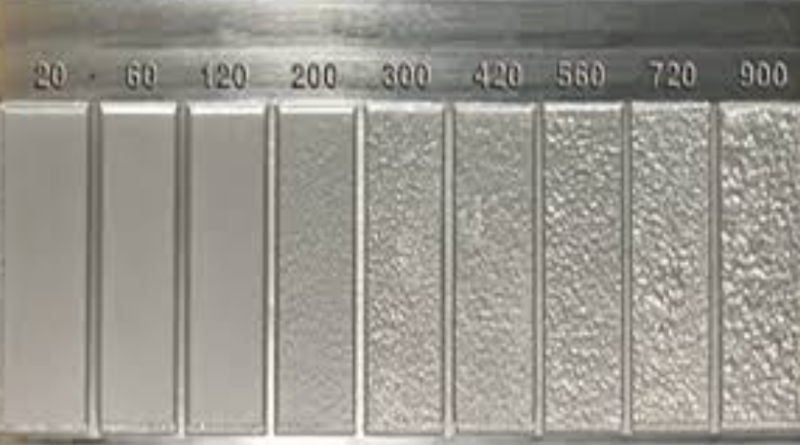
The middle step connects rough cutting to smooth ending. Here, the order of grit sizes counts a lot. You shift from rough to fine bits step by step. This controls how much you take off without digging into the base. Each round gets the surface nearer to the goal roughness, called Ra. It shapes the feel and shine. These middle parts set how well the final buffing goes. If they falter, later work can’t fix the uneven spots. In practice, a steady grit change cuts finishing time by half sometimes.
Final Buffing and Finishing Operations
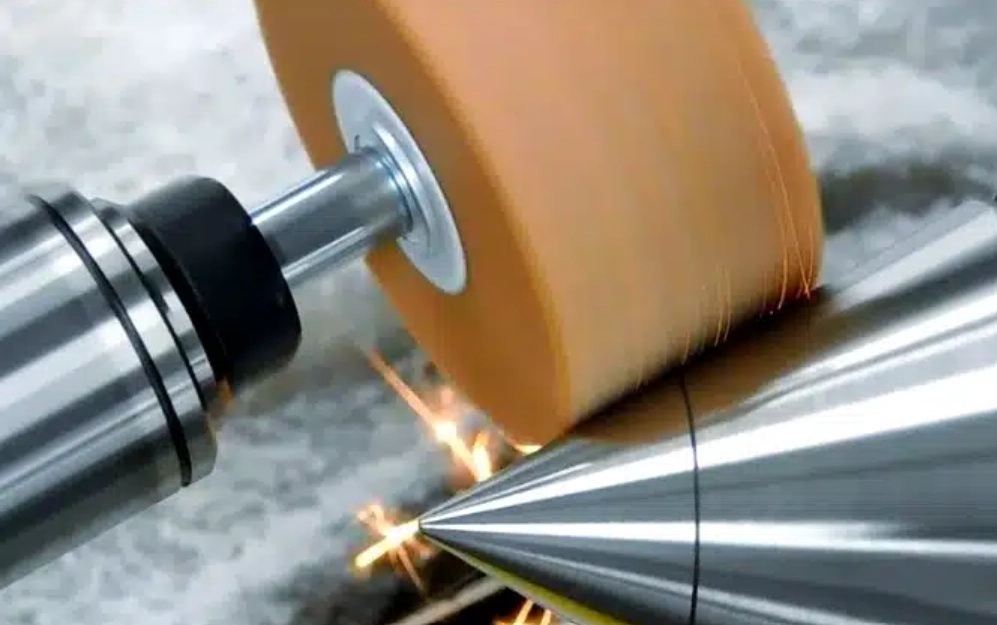
At the end, buffing mixes turn a dull face into something that mirrors light. Soft wheels or fabric pads with special mixes wipe away tiny marks. They keep the shape true too. This last part sets the shine level and how well covers stick. Heat watch is key here. Too much rubbing can warp thin pieces. The outcome needs even shine everywhere you see. This holds special weight for showy or clear-view parts. One tip from old-timers: cool the tool often to avoid hot spots.
What Role Do Abrasive Materials Play in Achieving Precision Finishes?
Abrasives sit at the core of the metal polishing process. They control how fast material comes off and what the surface ends up like. Picking them right means weighing toughness, bendability, and fit with the metal you’re working on. Without good choices, you might end up with scratches that take extra steps to fix.
Selection of Abrasive Type and Composition
Various metals act differently when rubbed. Tough iron-based mixes need strong abrasives, such as aluminum oxide or silicon carbide. Softer metals without iron, like those in brass, do better with diamond paste or cerium oxide for tight handling. Matching them stops bad reactions. An too-strong abrasive on copper can smear instead of cut clean. In workshops, testing a small spot first saves big headaches later.
Grain Size and Distribution Control
Even spread of grains gives steady cutting over every bit of area. Small grains cut down on tiny scratches. But they must hold the shape exact, or edges might round off. A planned shift in grit sizes boosts the end quality. It also cuts down on deep changes under the surface. This counts big when handling thin walls or shiny lenses. Uniformity here can mean the difference between a good part and one that fails inspection.
Abrasive Bonding and Delivery Methods
Stuck-together wheels offer steadiness for flat spots. Belts work great for ongoing jobs. Free abrasives in mixes shine on tricky shapes, like fan blades or body tools. Now, machines feed abrasives at fixed speeds for steady results in long runs. The hold type affects heat too. Resin holds stay cooler than glass ones. This changes how well the polishing flows. For curved parts, slurries often beat wheels for reaching everywhere.
How Does Equipment Selection Influence Polishing Precision?
Choosing gear shapes how steady and repeatable the job is in today’s factories. Wrong picks can lead to uneven results that slow down lines.
Mechanical Polishing Systems and Automation Levels
Machines run by computers bring back the same moves every time. They program paths that match across many pieces. Robot arms cut out human differences by pressing steady and staying put the right time each go. New setups use feedback to tweak settings on the fly from live roughness checks. This fits high-output lines in planes or chip making. Automation isn’t perfect—sometimes a manual tweak fixes what code misses.
Tool Geometry and Contact Mechanics
Tool shape rules how force spreads on odd forms, like bent covers or inside holes. Bendy tools fit curves without losing even touch. Stiff ones keep flats straight on faces like stamps or thin discs. Picking the wrong shape can cause wear spots or heat builds that hurt the finish later. In auto shops, a mismatched tool once ruined a whole set of rims, costing thousands.
Environmental Control During Polishing Operations
Changes in warmth can make metal grow a bit during the end work. Steady room conditions around the gear fix that. Watching moisture stops rust on metals like aluminum in long jobs. Clean rooms are a must for super-fine clear finishes, where dust in the air could mess up tiny measures. Keeping the air at 68 degrees Fahrenheit often hits the sweet spot for most metals.
Why Is Surface Measurement Integral to the Polishing Process?
Without clear measure facts, even good workers can’t check if a part hits the plan. Guessing leads to errors that show up later in use.
Quantitative Roughness Evaluation Techniques
Devices called profilometers check standard roughness like Ra, the average bump, and Rz, the high-low span, down to tiny scales. Light-based checking adds touch-free ways, great for breakable layers or shiny mirrors where poking tools might harm. These checks prove each group keeps the same finish rules before putting together. In labs, a quick scan can spot issues before they spread.
Correlation Between Roughness Parameters and Performance Metrics
Surface feel ties right to how things rub in spinning parts, seal tightness in fluid lines, and hold-up against repeated pushes. Linking roughness numbers to real stats, like power loss or drip amounts, lets builders adjust polishing to fit exact needs. Not just chasing smooth for smooth’s sake. For bike chains, a Ra under 0.4 microns cuts noise and wear noticeably.
Integration of Metrology Into Process Control Systems
Today’s factories put measure tools right in with auto polishers. This lets changes happen during the run if things go off. Stats tracking looks at data over work times to stick to size limits. It cuts down on check jams later. This helps grow output without losing care. One plant saw rejects drop 30% after adding this setup.
How Does Metal Type Affect the Polishing Approach Taken?
Every metal calls for its own plan because of how hard it is, how it reacts, and where it’ll end up working. Ignoring this leads to poor results or damaged goods.
Ferrous Versus Non-Ferrous Metals
Iron-based metals, such as stainless steel, vary in hardness by type. They need abrasives that resist wear well. Metals without iron, like brass, call for gentler ones to avoid sticking under push. Custom ways keep the shine and strength through many uses. Brass fittings in plumbing last longer when polished just right, avoiding green buildup.
Reactive Metals and Oxidation Sensitivity
Metals such as titanium rust quick when out in the open during rubby work. So, gas shields like argon sometimes come in for the fine end. Special oils calm reactions between grains and metal faces. They keep color steady, key for plane bolts or trim pieces. In one case, without shielding, a batch turned dull overnight.
Precious Metals and High-Purity Applications
Items in gold or platinum use super-small diamond mixes for perfect shine without size shifts. This matters in tiny electric links where smooth touch aids flow more than thick changes from too much work. Jewelers swear by these for rings that gleam without flaws.
What Are Emerging Trends Shaping the Future of Metal Polishing Technology?
New ideas keep changing how makers tackle fine finishing now. From better auto tools to green aims pushing fresh mixes. It’s exciting, though not all changes stick right away.
Advancements in Automated Precision Systems
Smart computer guides now watch sensor info non-stop. They tweak speeds or mix amounts in the middle of a job. Team robots with feel sensors work safe near people. They keep up speeds that hands couldn’t match. Guess-ahead math spots tool wear before breaks. This cuts stop times in round-the-clock work. Still, training folks to oversee these machines takes effort.
Development of Eco-Friendly Abrasive Alternatives
Care for the planet nudges firms to water mixes over old solvent ones in buffing. Reusable bits like glass mixes cut costs long-term. They match the shine of past stuff with bad holders. This fits global rules for cleaner making. Some shops report 20% less waste with these swaps.
Integration With Digital Manufacturing Ecosystems
Virtual copies run full polishing tries in sims before real starts. This saves hours and stuff in setup. Linking design software to finishing flows smoothly. IoT watches track from raw metal to end checks. It gives full history. In big plants, this cuts errors by linking every step tight.
FAQ
Q1: What is the main goal of the metal polishing process?
A: It aims to refine surface texture for improved dimensional accuracy, durability, and aesthetic appeal depending on application needs.
Q2: Which industries rely most heavily on precision metal polishing?
A: Aerospace, medical device manufacturing, semiconductor fabrication, luxury goods production, and tooling all depend heavily on precise finishes.
Q3: How does automation improve polishing consistency?
A: Automated systems regulate motion paths, pressure levels, and abrasive flow rates uniformly across every component processed.
Q4: Why is environmental control important during polishing?
A: Temperature stability prevents thermal distortion while humidity management avoids oxidation issues on reactive metals like aluminum or titanium alloys.
Q5: Are eco-friendly abrasives effective replacements for traditional ones?
A: Yes—they reduce environmental impact without sacrificing finish quality when formulated correctly using recyclable carriers or water-based compounds.