
What Makes A Vertical Machining Center Essential In Modern Precision Manufacturing
The Fundamentals of a Vertical Machining Center
In today’s manufacturing world, accuracy and quick work set companies apart. A vertical machining center (VMC) plays a central role in this setup. It mixes computer numerical control (CNC) tech with strong machine parts to make top-notch pieces. If you work in machining, you need to understand how each part of a VMC connects. This knowledge helps get steady outcomes and keeps the gear running longer. This piece looks at the build, role, and main factors that boost VMC performance. These machines are key in current factory settings. Think about a busy shop floor where every minute counts—VMCs help there by handling tough jobs without much fuss.
What Is a Vertical Machining Center?
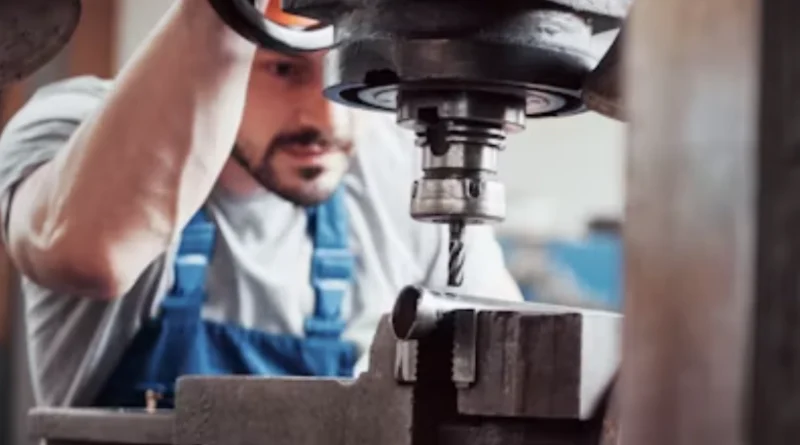
A vertical machining center is a CNC milling machine with a spindle pointed straight up. Cutting tools shift along several paths—usually X, Y, and Z. They cut away bits from a fixed workpiece on the table. You see VMCs a lot in fields like aerospace, cars, and mold making. That’s because they hit close tolerances and steady precision. For example, in an auto plant, they might shape engine parts to exact sizes every time.
Unlike horizontal machining centers, VMCs have the spindle upright, parallel to the wall, not the floor. Gravity helps push out chips and lets coolant flow better. This straight-up design makes holding pieces simpler. It also speeds up swapping tools. The machine’s control box reads G-code orders. Then it moves tools exactly as planned, all on its own. I’ve seen operators save hours this way on repeat jobs.
Key Components of a VMC
A basic vertical machining center has a few main parts.
- Spindle head: It holds the motor and bearings that spin the cutting tool.
- Worktable: It holds up the workpiece. How solid it is affects the smoothness of the final surface.
- Tool changer: It switches tools on its own during tricky tasks.
- CNC controller: It handles digital orders and guides the moves along each path.
All these parts need good setup to keep shapes accurate during fast cutting rounds. If one is off, the whole job suffers—something machinists learn the hard way early on.
How Does a Vertical Machining Center Operate?
The process starts when you feed a program into the CNC controller. After you hit start, the controller sends messages to servo motors. These motors push the straight-line paths. They also check positions with encoders for sure feedback. The spindle ramps up to set speeds—often over 15,000 rpm. This depends on how hard the material is and the tool’s shape. In practice, softer aluminum might spin faster than tough steel.
Motion Control and Axis Coordination
Newer VMCs let paths work together at once. This helps shape tricky forms like fan blades or mold parts. The X path goes side to side. Y moves forward and back. Z goes up and down from the spindle tip. Top models add turning paths (A or B). This gives 4- or 5-path options for more bendy work. Picture carving a curved wing part—multi-path makes it smooth without extra steps.
Tool Path Optimization
Smart planning cuts down idle time. It does this by picking the best routes for tools. It also shortens quick moves between steps. You can add systems that tweak speeds on the fly. They watch the cutting strain and adjust. This keeps things even, especially on long shifts where heat builds up.
Why Choose a Vertical Machining Center Over Other Machine Types?
Picking vertical or horizontal depends on what you aim to make, the shape of parts, and space in the shop. A VMC often costs less than a matching horizontal one. Plus, it sets up easier for one-off or small runs. In a small team, this means less hassle and quicker starts.
Advantages of Vertical Orientation
The upright spindle gives clear views for setup and checks. Gravity pulls chips down when you use strong coolant sprays. Shorter tools bend less in deep cuts. This setup shines in jobs like drilling holes in blocks—chips fall right out.
Limitations Compared to Horizontal Machines
Still, clearing chips can get messy in deep slots without good wash systems. For big batches needing constant chip flow, horizontal types do better. Their side spindles let junk slide away easier. It’s a trade-off; vertical wins on cost but needs care for heavy mess.
What Are the Main Applications of Vertical Machining Centers?
Vertical machining centers fit many areas where exact sizes matter most. In plane building, they craft frames like brackets or boxes from light metals or strong titanium. Car factories use them for heads and gear cases. They hold sizes to tiny fractions of a millimeter. One shop I recall cut 500 units a week without a single scrap.
Mold and Die Industry Applications
Die makers lean on VMCs for base molds and insert parts. They get shiny finishes with small-step cuts and quick spindles. This works great for plastic shapes that need smooth walls. Without it, polishing takes forever by hand.
Prototype Development
In labs or custom spots, VMCs speed up test builds with CAD/CAM links. Lead times drop from weeks to days. They keep accuracy through changes. Say you’re tweaking a new gadget—VMC lets you test fits fast, saving redesign costs.
How Do You Maintain Optimal Performance of a Vertical Machining Center?
Steady care keeps a VMC sharp and reliable for years. Skip oil checks or straight-line tests, and you’ll face early breakdowns. Things like loose paths hurt part quality. Good habits pay off in fewer stops.
Daily Maintenance Practices
Workers check coolant amounts each day. They wipe chips from covers. They test air lines and clean tool grips before work starts. This routine stops small issues from growing. In dusty shops, it’s extra key to avoid clogs.
Periodic Calibration
Every few months, use laser tools to spot path shifts. Test spindle wobble under weight. This catches problems early. Once, a team found a 0.01 mm drift—fixed it before bad parts piled up.
Software Updates and Diagnostics
Today’s CNC boxes have check tools. They log data like shakes or heat shifts. This aids planning fixes ahead. It’s like having a doctor for your machine, spotting illness before it hits.
How Is Technology Advancing Vertical Machining Centers?
Fresh ideas are changing what VMCs can do. They add auto helpers and online links. This makes shops run smoother, even from afar. Exciting stuff for those in the trade.
Automation Integration
Robot arms now load stock alone between runs. This cuts worker tiredness and boosts steady work, especially overnight. In one factory, it bumped output by 20% without extra hands.
Smart Monitoring Systems
Sensors tied to the web send real-time info on heat or power use. It goes to main screens for watch from anywhere. Global teams use this to tweak on the spot, like cooling a hot spindle mid-job.
High-Speed Cutting Developments
Better spindle builds handle quick starts with special bearings. They take high spins without getting too warm—perfect for tiny detail work. Micro-cuts now match big ones in speed, opening doors for small parts in electronics.
FAQ
Q1: What distinguishes a vertical machining center from a conventional milling machine?
A: A vertical machining center uses CNC auto control. It handles multi-path moves with set accuracy. This goes way past what hand mills can do. Basic mills rely on skill, but VMCs follow code for repeats.
Q2: Can vertical machining centers handle heavy-duty materials like titanium?
A: Yes, current VMCs with firm spindles and strong drives cut hard stuff like titanium or Inconel. They work well with right settings. Just watch the speeds—too fast and tools wear quick.
Q3: How does coolant management affect machining performance?
A: Good coolant flow pulls heat from the cut spot. This slows tool breakdown and keeps finishes even on long jobs. Poor flow leads to rough edges or breaks, wasting time.
Q4: Are 5-axis vertical machining centers suitable for small workshops?
A: Yes, small 5-path models fit tight spots. They give bendy shaping for molds or plane bits with complex forms. Great for teams with big ideas but little room.
Q5: What software tools assist in programming vertical machining centers?
A: Programs like Mastercam or Siemens NX make G-code for the machine’s moves. They plan paths that fit the spindle’s ways. This makes work flow better, cutting errors.