

Can a Dado Blade Truly Optimize Ron Paulk’s Jobsite Saw Performance
Ron Paulk on the Jobsite Saw: Will It Run a Dado Blade?
Ron Paulk’s portable workbench design has become a standard for mobile contractors, but its compatibility with a dado blade raises valid mechanical and safety questions. The short answer is that most compact jobsite saws, including those used in Paulk’s system, can only accept limited dado stack widths due to arbor length and motor capacity. With correct setup, reinforcement, and safety accessories, a dado blade can run effectively on a portable saw—but only within manufacturer limits.
Understanding the Compatibility Between Dado Blades and Jobsite Saws
Jobsite saws are designed for portability first, not for heavy dado cutting. To determine whether they can handle a dado blade safely, it’s essential to examine their internal mechanics and how these interact with custom bench systems like Ron Paulk’s.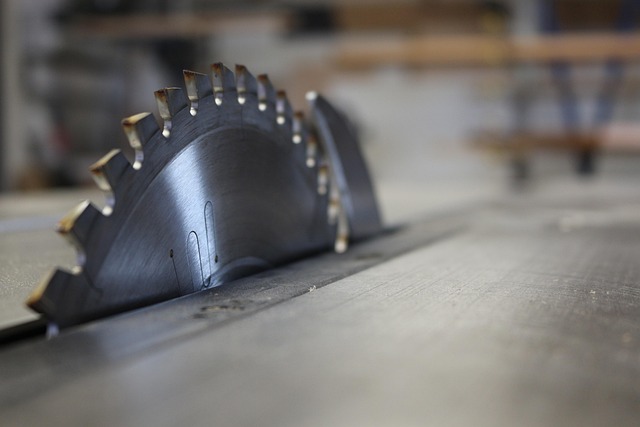
Evaluating the Mechanical Design of Jobsite Saws
A dado blade requires more arbor length than a standard single blade. Most portable saws have arbors around 5/8 inch in diameter but often lack sufficient thread depth to secure wide stacks beyond 1/2 inch. This limits the maximum groove width achievable without compromising nut engagement. Manufacturers such as DeWalt or Bosch often specify exact maximum dado widths—usually between 13/16 inch and 13/32 inch—depending on model.
Motor torque is another limiting factor. Running a stacked dado set increases rotational resistance significantly. Compact motors rated below 15 amps may struggle to maintain consistent RPM under load, especially when cutting dense hardwoods like maple or oak. Reduced torque leads to uneven grooves or burning along the cut line.
Safety mechanisms also complicate compatibility. Blade guards and riving knives are typically designed for thin-kerf blades. When switching to a dado configuration, these parts must be removed or replaced with manufacturer-approved alternatives to avoid interference with the wider cutter body.
The Specific Constraints of Ron Paulk’s Jobsite Saw Setup
Ron Paulk’s bench system integrates lightweight plywood construction with portable saw units mounted flush into the table surface. This design prioritizes mobility and workspace efficiency but leaves little room for heavy-duty modifications.
Compact saws commonly used in these setups—such as jobsite models from Makita or DeWalt—have limited arbor lengths and smaller trunnion assemblies that may flex slightly under high lateral load from stacked blades. The table insert openings are also narrow, requiring custom zero-clearance plates when using wider cutters.
To safely accommodate wider dado stacks, users often need to modify throat plates or reinforce mounting surfaces beneath the saw base. However, such changes should stay within manufacturer tolerances to prevent alignment drift or structural instability during transport.
Performance Factors When Using a Dado Blade on a Portable Saw
Even if mechanically compatible, performance depends heavily on how efficiently power is delivered and how stable the cutting platform remains during operation.
Power Delivery and Cutting Efficiency
Motor output directly affects cut consistency. A 15-amp universal motor typical of jobsite saws can manage moderate dado widths if feed rate is controlled carefully. When comparing single-blade versus stacked-blade loads, stacked sets impose higher inertia demands at startup and during deep passes.
Extended use under these conditions can cause overheating or stalling if airflow around the motor housing is restricted by dust buildup. Regular cleaning of vents and cautious duty cycles help maintain performance longevity.
Precision and Stability in Dado Cutting Operations
Lightweight aluminum tables found on many portable saws tend to vibrate more than cast-iron counterparts. Vibration causes micro-movements that affect groove uniformity across long workpieces. Adding auxiliary supports or stiffeners beneath the tabletop reduces this effect noticeably.
Fence alignment also plays a critical role in maintaining consistent depth across multiple passes. Even minor misalignment leads to stepped dados that require additional cleanup cuts. Bearing deflection on small arbors can further widen tolerances when supporting heavier stacked assemblies; periodic inspection helps catch wear before accuracy suffers.
Safety Considerations for Dado Blade Use on Compact Saws
Dado operations inherently remove more material per pass than standard cuts, increasing both mechanical stress and kickback potential.
Guarding Systems and Kickback Prevention
Switching from standard blades to wide dado sets means removing stock guards that no longer fit over the cutter width. Operators should install custom throat plates matched precisely to each stack width to minimize exposure gaps near the spinning blade.
Featherboards help maintain steady lateral pressure against fences during cross-grain cuts, reducing sudden binding that causes kickback. Push blocks keep hands clear while maintaining control over feed direction—a non-negotiable practice when working without upper guards.
Electrical Load and Circuit Protection Issues
Running larger cutters increases current draw slightly due to added frictional load. On jobsite circuits rated at 15 amps, this may approach breaker limits if other tools share the same line. Heavy-gauge extension cords (12 AWG or thicker) minimize voltage drop over distance, preventing premature tripping or motor overheating.
Routine inspection of brushes and windings prevents overload damage caused by prolonged high-current operation common in repetitive joinery tasks like cabinet panel grooving.
Optimization Strategies for Ron Paulk’s Jobsite Saw Configuration
Enhancing Ron Paulk’s bench setup for safe dado use involves selecting suitable blade systems and improving table rigidity without compromising portability.
Selecting the Appropriate Dado Blade System
Stacked Dado Sets vs. Adjustable Wobble Blades
Stacked sets deliver superior precision because they rely on multiple flat chippers rather than oscillation movement. Wobble blades save space but produce slightly concave bottoms unsuitable for fine joinery fits like shelving dados or tenon shoulders.
For mobile setups such as Paulk’s bench system, stacked sets remain preferable despite longer setup time since they maintain better balance at operating speed—a critical factor when cutting inside lightweight tables prone to vibration.
Material-Specific Blade Selection
Different materials demand distinct tooth geometries: alternate top bevel (ATB) configurations excel in plywood where veneer tear-out is common; flat-top grind (FTG) teeth perform best in solid wood where clean-bottom grooves are required; triple-chip grind (TCG) suits MDF due to its abrasive nature. Carbide-tipped options extend lifespan significantly under frequent relocation typical of field carpentry environments.
Enhancing Table Support and Dust Management
Table Reinforcement Techniques
Adding internal ribs beneath plywood surfaces strengthens support against vibration-induced inaccuracies during deep cuts. Adjustable outfeed supports aligned flush with the main surface stabilize large panels while maintaining even downward pressure through each pass—especially useful when routing long cabinet sides or shelving boards.
Integrating Effective Dust Extraction Solutions
Wide grooves generate substantial debris volume that quickly fills narrow cavities beneath compact saw tables. Efficient dust extraction requires airflow exceeding 350 CFM at the port interface; small cyclone separators paired with HEPA vacuums achieve this without adding bulk to mobile setups common in Paulk-style benches.
Evaluating Practical Trade-offs in Field Applications
While adding dado capability expands functionality dramatically, it also introduces new compromises related to weight, complexity, and maintenance cycles.
Balancing Portability with Performance Demands
Each additional accessory—from throat plates to dust hoses—adds marginal weight that reduces overall mobility of jobsite stations designed for rapid deployment. For crews performing repetitive joinery such as drawer bottoms or shelving slots, productivity gains often justify extra setup time; however, occasional users may find conventional routers faster for isolated tasks.
Long-Term Reliability Implications
Heavier loads accelerate wear on arbor bearings and trunnion pivots within compact housings not originally built for continuous dado use. Routine lubrication schedules shorten downtime by preventing early bearing degradation caused by vibration fatigue over months of field exposure.
FAQ
Q1: Can all jobsite saws run a full-width dado blade?
A: No, most compact models limit stack width due to short arbor threads; exceeding manufacturer recommendations risks unsafe operation.
Q2: Does using a wobble blade reduce strain on small motors?
A: Slightly—it uses fewer components—but at the cost of precision since it produces curved-bottom grooves unsuitable for tight joinery fits.
Q3: How can vibration be minimized when using heavy dado stacks?
A: Reinforcing table undersides with stiffeners and ensuring balanced stack assembly reduces resonance effectively during operation.
Q4: What electrical precautions should be taken?
A: Use dedicated circuits rated at least 15 amps with heavy-gauge cords; avoid sharing outlets with other high-draw tools simultaneously running nearby.
Q5: Is modifying Ron Paulk’s bench necessary for safe dado operation?
A: Minor adjustments like custom inserts or added bracing improve stability but major structural changes aren’t required if within tool specifications.