
Could the Acetylene Torch Have Triggered the Strathmore Mill Fire in Russell
Strathmore Mill Fire in Russell Caused by Oxygen-Acetylene Torch
The Strathmore Mill fire in Russell was traced to the use of an oxygen-acetylene torch during maintenance work. Investigators concluded that radiant heat and sparks from the acetylene torch ignited aged wood and accumulated dust inside the historic mill structure. The incident revealed how legacy industrial buildings, with their timber frameworks and outdated safety systems, remain highly vulnerable to ignition when modern hot work procedures are not rigorously controlled. This analysis reviews the mill’s background, the sequence of events, and the technical aspects of acetylene torch operation that contributed to the fire’s rapid escalation.
Overview of the Strathmore Mill Fire in Russell
The Strathmore Mill complex stood as a relic of early 20th-century paper manufacturing, its structural composition playing a major role in how the fire spread once ignition occurred.
Historical and Structural Context of the Strathmore Mill
The mill functioned for decades as a paper production facility built primarily from heavy timber beams, brick masonry, and steel reinforcements. Its layered wooden floors absorbed decades of chemical residues from pulp processing. The age of the building—over a century—meant that protective coatings had dried and cracked, leaving combustible surfaces exposed. Although some sections had been renovated for storage or light industrial use, many areas retained original materials without upgraded fireproofing. Maintenance records indicated sporadic inspections but limited investment in modern suppression systems or spark-resistant barriers.
Timeline and Circumstances Leading to the Incident
On the day of the fire, contractors were performing metal removal using an acetylene torch near an interior wall lined with wooden framing. Witness accounts described small sparks falling through floor gaps moments before smoke appeared. Personnel on-site attempted to douse initial flames with portable extinguishers but were overcome by dense smoke within minutes. Weather conditions were dry with moderate wind entering through broken windows, which intensified airflow through upper floors. The combination of low humidity and poor ventilation created an environment where smoldering debris quickly transitioned into open flame.
Understanding Acetylene Torch Operations in Industrial Settings
Torch cutting is common in industrial demolition and repair work, yet it demands strict control due to its extremely high flame temperatures.
Composition and Function of an Oxygen-Acetylene Torch
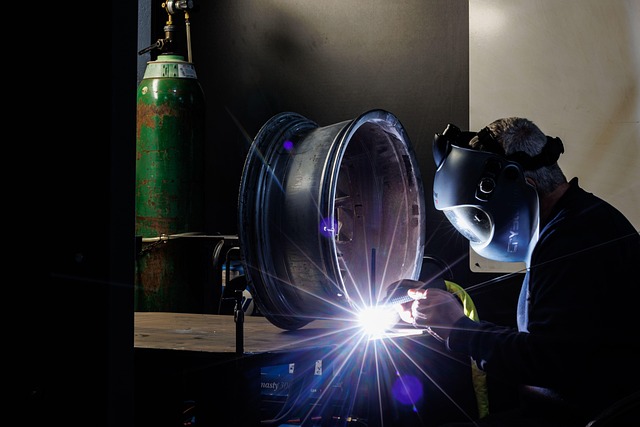
An oxygen-acetylene torch mixes two gases—acetylene (C₂H₂) and oxygen—to produce a flame capable of reaching approximately 3,200°C (5,800°F). The operator regulates flow through valves and nozzles that blend gases at precise ratios for cutting or welding tasks. The inner cone of this flame delivers concentrated heat sufficient to melt steel instantly. In maintenance contexts such as old mills, this tool is often used to cut bolts or remove rusted fixtures embedded in structural metalwork.
Safety Protocols Associated with Torch Use
Industry standards require operators to maintain at least 35 feet between hot work zones and combustible materials unless shields are installed. Flashback arrestors on both gas lines prevent reverse flame travel into hoses or cylinders. Regulators must be checked for leaks before ignition, while hoses should be inspected for cracks or wear that could leak flammable gas. After completion, torches should cool under supervision since residual heat can still ignite nearby dust or fibers long after visible flames are gone.
Fire Behavior Related to Acetylene Torch Ignition Sources
The physics of heat transfer explains how even brief exposure from an acetylene torch can trigger delayed combustion in porous materials like aged wood or insulation.
Thermal Characteristics and Ignition Potential
The radiant heat emitted by an acetylene flame can reach several kilowatts per square meter at close range. When directed toward old timber coated with resin or paint residues, surface temperatures may exceed ignition thresholds within seconds. Fine wood dust suspended in air further increases risk; concentrations above 40 grams per cubic meter can ignite explosively if exposed to high-temperature sparks. Prolonged heating may cause internal smoldering beneath charred layers before visible flames emerge—a phenomenon often mistaken for extinguished embers.
Interaction Between Torch Operations and Building Materials
Legacy mills like Strathmore often feature massive beams treated with tar-based sealants that become highly flammable over time. When metal brackets conduct heat from a nearby torch cut into adjacent wood members, localized ignition can occur even without direct contact with flame. Confined spaces behind walls or under floors trap rising heat, accelerating combustion once oxygen becomes available through ventilation openings created during maintenance activity.
Investigative Considerations Regarding Fire Origin Hypotheses
Determining whether an acetylene torch caused ignition requires careful forensic examination supported by chemical analysis and burn pattern mapping.
Evidence Collection and Scene Examination Techniques
Investigators typically search for V-shaped burn patterns pointing toward a single origin area consistent with downward-falling slag droplets from cutting operations. Microscopic residue analysis may reveal carbon soot containing traces characteristic of acetylene combustion such as calcium carbide derivatives. Photographic documentation ensures consistency between witness statements and physical evidence regarding where torches were last used relative to ignition points.
Alternative Ignition Scenarios Beyond Torch Activity
While torch use was central to this case, investigators also examined potential electrical faults from aging wiring embedded within walls, which could arc under stress from vibration during maintenance. Mechanical friction from grinders or saws might also have generated enough localized heat to start smoldering if oily residues were present nearby. Storage areas containing solvents or rags soaked in linseed oil posed additional spontaneous ignition risks common in older industrial facilities.
Evaluating Human Factors and Operational Oversight
Human oversight remains critical when performing high-risk hot work inside combustible structures like historic mills.
Training Standards for Hot Work Procedures in Industrial Environments
Operators handling oxy-acetylene equipment must hold certification verifying proficiency in gas control systems and emergency shutdown procedures under OSHA guidelines (29 CFR 1910 Subpart Q). Supervisors are responsible for continuous monitoring during operations involving open flame tools inside confined spaces. Communication protocols should include pre-task safety briefings ensuring all personnel understand evacuation routes and extinguisher locations before starting any cut.
Compliance with Fire Prevention Regulations and Permitting Systems
Massachusetts fire codes mandate issuance of temporary hot work permits before any operation involving open flames inside industrial buildings (527 CMR 1:00). Each permit requires hazard assessment forms documenting material clearance distances, presence of firefighting equipment, and assignment of a fire watch post-activity for at least 30 minutes after completion. Records must be retained by facility management for audit purposes demonstrating compliance with local enforcement authorities.
Lessons for Industrial Fire Risk Management
The Strathmore Mill fire underscores how preventive strategy must adapt when modern tools meet century-old architecture prone to rapid ignition.
Enhancing Preventive Measures During Hot Work Activities
Real-time infrared thermal cameras positioned near active torch sites can detect abnormal temperature rises on hidden surfaces before they reach critical levels. Mandatory cooldown observation periods—typically one hour—help identify delayed smoldering beneath flooring or behind panels. Non-flammable shields made from fiberglass cloth or metal screens should always surround cutting areas where sparks might travel beyond immediate visibility.
Integrating Modern Safety Technologies into Legacy Structures
Retrofitting older mills with mist-based suppression systems provides effective protection without damaging historical elements sensitive to water saturation. Installing continuous air quality sensors capable of detecting carbon monoxide or early combustion gases offers valuable early warning even when flames remain concealed. Digital logging platforms allow facility managers across multiple sites to track hot work incidents in real time, improving accountability across maintenance teams operating within similar heritage structures.
FAQ
Q1: What caused the Strathmore Mill fire?
A: Investigators determined that sparks and radiant heat from an oxygen-acetylene torch ignited combustible materials during maintenance operations inside the mill.
Q2: Why was the building so vulnerable?
A: The mill’s century-old timber construction contained dry wood fibers, tar coatings, and dust accumulation that easily caught fire when exposed to high temperatures.
Q3: What safety measures could have prevented it?
A: Proper shielding around hot work zones, extended cooldown observation after cutting tasks, and active supervision under a valid hot work permit would likely have prevented ignition.
Q4: How does acetylene differ from other fuel gases?
A: Acetylene burns hotter than propane or natural gas due to its triple-bonded molecular structure, producing concentrated energy ideal for cutting steel but also increasing fire risk near combustibles.
Q5: What lessons apply to other historic industrial sites?
A: Facilities combining old materials with modern tools must integrate advanced detection technology, enforce strict training standards, and update permitting practices aligned with current fire codes to mitigate similar disasters.