
Is a Sheet Metal Shear for Shop Press the Right Choice for Precision Cuts
Sheet Metal Shear for Shop Press?
A sheet metal shear for a shop press transforms a standard hydraulic press into a precision cutting tool capable of handling varied metals and gauges. The system relies on mechanical or hydraulic force to deliver clean, uniform cuts without heat distortion. For fabrication shops seeking consistent accuracy and reduced outsourcing, this integration offers measurable value. It supports batch production, prototype work, and even small-scale manufacturing with minimal setup changes. The right shear attachment enhances productivity, reduces material waste, and extends the utility of existing press equipment.
The Function and Design of a Sheet Metal Shear
In metalworking environments, the design of a sheet metal shear determines both cut quality and operational reliability. Its integration with a shop press allows controlled application of force across the material surface.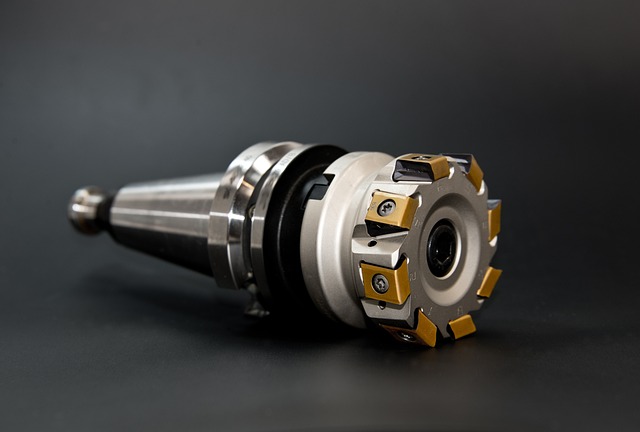
The Function and Design of a Sheet Metal Shear
A sheet metal shear for a shop press converts hydraulic or mechanical energy into cutting motion through aligned blades that apply even pressure along the sheet’s width. The upper blade descends under press force while the lower blade provides resistance, producing a clean separation rather than tearing. High-precision shears often use hardened tool steel for durability and maintain tight tolerances between blades to minimize burrs. Adaptability is critical; most attachments are designed to fit various tonnages, allowing fabricators to retrofit them onto existing presses without major modifications.
Types of Sheet Metal Shears Compatible with Shop Presses
Different operational needs dictate distinct shear types. Manual blade attachments suit low-volume or prototype work where flexibility outweighs speed. Hydraulic shear attachments, by contrast, provide high-force precision cutting for thicker materials or repetitive tasks. Modular systems combine both approaches—allowing users to switch between cutting and forming operations quickly—ideal for workshops managing diverse production runs.
Evaluating Precision Cutting Capabilities
Precision defines the value of any cutting system in fabrication. For shop presses equipped with shearing tools, several mechanical variables influence output quality.
Factors Influencing Cut Accuracy
Cut accuracy depends on blade sharpness, alignment, and clearance settings. A dull or misaligned blade increases deformation at the cut line and produces rough edges. Material hardness also affects performance; softer metals like aluminum require tighter clearances than mild steel to prevent bending. Stroke control within the press ensures repeatability across multiple cuts—a key factor when producing matched components for assembly.
Comparing Shear Performance with Alternative Cutting Methods
Compared with laser or plasma cutters that rely on heat energy, mechanical shears avoid thermal distortion but demand greater attention to mechanical setup. Guillotine shears offer faster throughput but lack fine control in small-scale operations where tolerance is critical. A shop press shear provides the balance—mechanical precision suitable for controlled batch production at lower operating costs.
Material Considerations When Using a Shop Press Shear
Material selection directly impacts shearing performance and longevity of tooling components.
Suitable Materials for Efficient Shearing
Mild steel, aluminum, copper, and brass respond predictably to cold shearing forces due to their ductility. Hardened steels or high-alloy materials may require specialized blades crafted from tungsten carbide or increased tonnage capacity from the press itself. Surface coatings such as zinc plating or laminated finishes can alter friction characteristics during cutting, sometimes necessitating lubrication adjustments.
Managing Deformation and Burr Formation
Proper blade clearance minimizes burrs and edge distortion by balancing compressive forces across the cut zone. Lubrication using light oil or synthetic compounds reduces frictional heat buildup that can dull blades prematurely. Regular inspection routines—checking alignment pins, wear patterns, and edge straightness—help maintain dimensional consistency over long production cycles.
Integration of a Sheet Metal Shear into Workshop Operations
Integrating a shear into an existing press system requires careful evaluation of compatibility factors beyond simple tonnage ratings.
Compatibility with Existing Shop Equipment
Before installation, technicians should confirm bed size dimensions, ram travel range, and total load capacity relative to expected material thicknesses. Alignment between the ram axis and shear blade assembly ensures even pressure distribution during operation. Quick-release mounts or interchangeable dies improve workflow transitions when alternating between cutting and forming processes within the same shift.
Safety and Maintenance Protocols for Reliable Operation
Safety remains paramount in any high-force environment. Guarding around active cutting zones prevents accidental contact while maintaining visibility during alignment checks. Blade sharpness should be maintained through scheduled regrinding intervals based on usage hours rather than calendar time alone. Monitoring hydraulic pressure levels guarantees stable force delivery throughout each stroke cycle—critical for consistent edge quality.
Assessing Cost Efficiency and Long-Term Value
Financial justification for adopting a sheet metal shear often hinges on its ability to reduce external service costs while improving internal efficiency metrics.
Investment Versus Operational Benefit Analysis
Though initial acquisition costs may appear significant, savings accumulate through reduced outsourcing of cutting tasks and decreased reliance on portable tools that wear quickly under heavy loads. Durable shear components typically outlast handheld alternatives by several years when properly serviced. Precision also contributes indirectly: less scrap means lower raw material consumption per finished unit—a measurable benefit in cost-sensitive industries like HVAC ducting or enclosure manufacturing.
Optimizing Productivity Through Tool Customization
Customization further enhances return on investment. Tailored blade geometries accommodate specific alloys or gauges more effectively than generic designs. Adjustable backstops allow repeatable cuts during production runs without constant recalibration. Some advanced setups integrate digital measuring systems that track stroke depth or cut length electronically—a feature increasingly common in automated fabrication workflows seeking traceability alongside accuracy.
FAQ
Q1: What tonnage is required for a sheet metal shear on a 20-ton shop press?
A: Most 20-ton presses can handle mild steel up to about 1/8 inch thick using standard blades; harder materials may need higher capacity or modified tooling geometry.
Q2: How often should blades be sharpened?
A: Frequency depends on workload intensity; typically after every few thousand cuts or when visible burr formation begins affecting edge finish.
Q3: Can one attachment handle both aluminum and stainless steel?
A: Yes, but stainless requires slightly wider clearance settings and possibly coated blades to resist galling during repeated operations.
Q4: Is lubrication always necessary during shearing?
A: While not mandatory for thin soft metals, lubrication significantly extends tool life when processing thicker stock or coated sheets.
Q5: What safety features are recommended?
A: Physical guards around moving parts, emergency stop controls within reach distance, and regular hydraulic system inspections form the baseline safety protocol in professional workshops.