
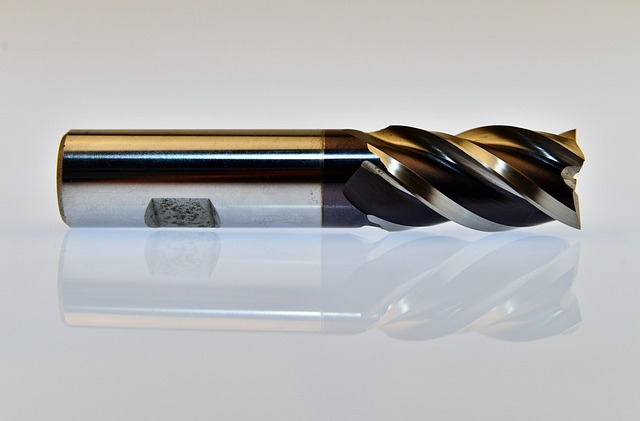
What Makes an End Mill Essential in the Expanded Solid Carbide Cutter Line
Solid Carbide End Mill Line Expands With More Than 200 Cutters
The expansion of the solid carbide end mill line, now featuring over 200 new cutters, marks a significant step forward for precision machining. This development enhances flexibility for manufacturers seeking better performance across materials and applications. With improved geometries, coatings, and carbide quality, machinists can achieve higher cutting speeds, extended tool life, and superior surface finishes. The result is reduced downtime and greater productivity in industries where accuracy is non-negotiable.
Understanding the Role of End Mills in Modern Machining
End mills are central to material removal in CNC machining. Their design allows for both peripheral and axial cutting, making them indispensable in complex part production.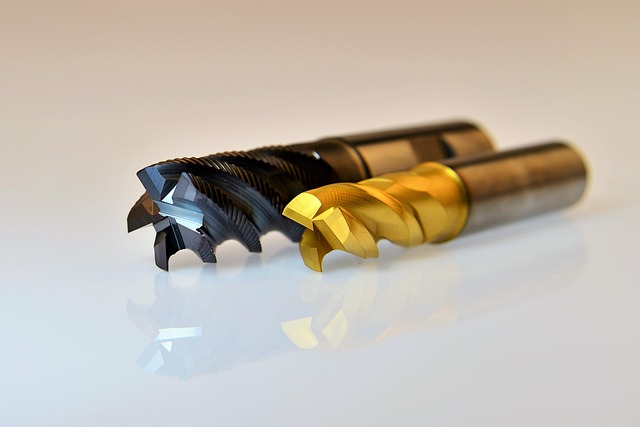
What an End Mill Is and How It Differs from Other Cutting Tools
An end mill is a rotary cutting tool used in milling applications to remove material from a workpiece by advancing into it at an angle or vertically. Unlike drills that cut only axially, end mills can cut laterally, enabling slotting, profiling, contouring, and pocketing operations. This versatility allows one tool to perform multiple tasks that would otherwise require several specialized cutters.
End mills differ from other tools such as reamers or face mills by their flute structure and cutting edges along both the side and tip. Their multi-functional geometry makes them essential in producing complex shapes with high dimensional accuracy.
The Importance of End Mills in Precision Manufacturing
In modern manufacturing environments where tolerances are measured in microns, end mills play a vital role. They enable tight dimensional control and fine surface finishes while maintaining consistent performance across long production runs. High-quality end mills reduce tool changes by combining roughing and finishing capabilities into one operation. This efficiency directly impacts cycle time and cost per part—key metrics for competitive manufacturing.
The ability of an end mill to maintain sharpness under load also supports repeatability across batches, which is crucial for sectors like aerospace or medical device production where every component must meet exact specifications.
The Expansion of the Solid Carbide Cutter Line
The recent expansion of the solid carbide cutter line demonstrates how manufacturers respond to growing demands for precision tools suited to diverse materials and machining conditions.
Overview of the Expanded Product Range
The addition of more than 200 new cutters introduces a wider selection of geometries, diameters, lengths, and coatings tailored to specific applications. This variety gives machinists more control over feed rates, chip evacuation, and surface finish outcomes. Engineers can now select tools optimized for everything from high-speed aluminum milling to hardened steel finishing.
Such diversity enhances operational flexibility on shop floors where multiple materials are machined daily. It also simplifies inventory management since one product family can cover a broader range of tasks without compromising performance.
Why Solid Carbide Is a Preferred Material for End Mills
Solid carbide is favored because of its exceptional hardness and resistance to wear at elevated temperatures. Its micrograin structure maintains cutting edge integrity even under heavy loads or high-speed conditions. Compared with high-speed steel (HSS) or cobalt alloys, carbide offers far greater heat tolerance—an essential property when machining abrasive or hardened materials.
Carbide’s stability enables faster cutting speeds without sacrificing accuracy. For example, in titanium or stainless steel applications where heat buildup can distort parts or dull tools quickly, carbide’s thermal strength ensures consistent results over longer cycles.
Key Design Features That Enhance End Mill Performance
Continuous innovation in geometry and coating technology has transformed how end mills perform under different machining conditions. These design refinements improve both durability and finish quality while minimizing vibration during aggressive cuts.
Geometry Innovations in Modern End Mills
Flute design dictates chip evacuation efficiency and overall cutting smoothness. A higher helix angle helps eject chips faster when machining softer metals like aluminum, while lower angles provide stability in harder steels. Corner radii reduce stress concentration at the tool tip, extending life by preventing chipping during entry cuts.
Manufacturers have also refined core thicknesses to balance rigidity with chip space—critical when deep-pocket milling requires long reach without chatter. These geometry optimizations collectively lead to smoother finishes and reduced rework time.
Coatings and Surface Treatments for Improved Durability
Modern coatings such as titanium aluminum nitride (TiAlN), aluminum chromium nitride (AlCrN), or diamond-like carbon (DLC) significantly extend tool life by reducing friction and thermal damage. TiAlN performs well in dry machining due to its oxidation resistance at high temperatures, while AlCrN excels in wet conditions on hardened steels.
Choosing the right coating depends on the workpiece material: DLC suits non-ferrous metals prone to built-up edge formation; TiAlN benefits stainless steel; AlCrN handles cast iron effectively. These coatings allow higher spindle speeds without premature wear—a key factor for cost-efficient production runs.
Applications Across Industries and Materials
End mills serve as universal tools across multiple sectors where precision cutting defines success—from aerospace turbines to automotive molds.
Versatility of End Mills in Different Manufacturing Sectors
In aerospace manufacturing, end mills cut complex contours on titanium airframe parts requiring exact surface tolerances. Automotive plants rely on them for engine block slotting or die mold shaping where consistency matters most. In energy industries like wind turbine fabrication or oilfield equipment production, they handle large-scale components made from tough alloys efficiently.
Their adaptability extends beyond heavy industry: electronics manufacturers use micro-end mills for PCB milling; dental labs employ them for zirconia prosthetics—proof of their wide-ranging utility.
Matching End Mill Types to Workpiece Materials
For Ferrous Metals (Steel, Cast Iron)
Tough materials demand rigid geometries with reinforced cores and variable helix angles that resist deflection under load. Lower spindle speeds combined with coolant flow help prevent thermal cracking or premature edge wear during long runs on hardened steels or cast iron blocks.
For Non-Ferrous Metals (Aluminum, Copper)
Sharp-edged tools with polished flutes minimize chip adhesion common with soft metals like aluminum or copper. High helix designs promote efficient chip evacuation while coatings such as DLC reduce built-up edges that could mar surface finishes during finishing passes.
For Composites and Hard Alloys
Machining composites introduces challenges like delamination or fiber pull-out due to layered structures. Specialized geometries featuring compression flutes counteract these effects by applying balanced forces from both directions. When dealing with hard alloys such as Inconel or cobalt-chrome, heat-resistant coatings paired with rigid carbide substrates maintain precision even at elevated temperatures.
Advancements Driving the Future of End Mill Technology
The next generation of end mill technology aligns closely with digital manufacturing trends emphasizing data-driven efficiency and sustainability throughout production cycles.
Integration of Smart Manufacturing Concepts
Smart tooling integrates sensors capable of monitoring vibration levels or wear patterns during operation. These data streams feed into CNC systems that adjust feed rates dynamically—a practice known as adaptive machining—to prolong tool life while maintaining dimensional accuracy. Such integration supports predictive maintenance strategies that minimize unplanned downtime on automated lines.
Sustainability and Efficiency in Tool Production and Use
Manufacturers are increasingly adopting eco-conscious methods like recycling carbide scrap into new blanks or using low-emission coating processes that reduce environmental impact. Optimized flute designs requiring less power input during cutting also contribute to energy savings across production shifts—an often-overlooked but meaningful efficiency gain when scaled globally.
Selecting the Right End Mill for Specific Operations
Choosing an appropriate end mill requires balancing technical parameters against cost expectations while considering machine limitations and workpiece properties.
Factors to Consider When Choosing an End Mill
Material Compatibility
Tool composition must align with workpiece hardness and thermal behavior; mismatched pairs lead to accelerated wear or poor finish quality.
Tool Geometry
Roughing operations benefit from variable pitch flutes that break chips effectively; finishing tasks need sharp edges with small radii for mirror-like surfaces; contouring demands flexible geometries capable of multi-directional engagement without chatter.
Machine Capability
Before selecting a cutter type, machinists assess spindle speed capacity, rigidity level, and feed rate limits since each influences achievable surface finish and tool longevity during extended runs.
Cost Efficiency
While solid carbide tools carry higher upfront costs than HSS alternatives, their longer lifespan often delivers lower cost per part over time due to fewer replacements and less downtime between setups—a decisive factor in high-volume manufacturing environments.
FAQ
Q1: What makes solid carbide end mills more durable than HSS types?
A: Their superior hardness resists deformation under heat or pressure, allowing longer use at higher speeds without losing sharpness.
Q2: How many new cutters were added in the latest expansion?
A: The line expanded by more than 200 new cutters covering various sizes and geometries suited for multiple materials.
Q3: Which industries benefit most from this expanded range?
A: Aerospace, automotive, mold making, energy equipment manufacturing—all rely heavily on precise milling operations supported by advanced tooling options.
Q4: Are coated end mills always better than uncoated ones?
A: Not necessarily; coated tools excel under high-heat conditions but may not be needed for soft materials like plastics where uncoated sharp edges perform better.
Q5: How does smart monitoring improve tool performance?
A: Integrated sensors track wear patterns so CNC systems can adjust parameters automatically before failure occurs—extending tool life while maintaining consistent part quality.