
Are Threading Inserts Driving the Next Growth Wave in Aerospace and Automotive
Heli-Coil Thread Inserts Market Gains Momentum with Rising Demand from Aerospace and Automotive Sectors
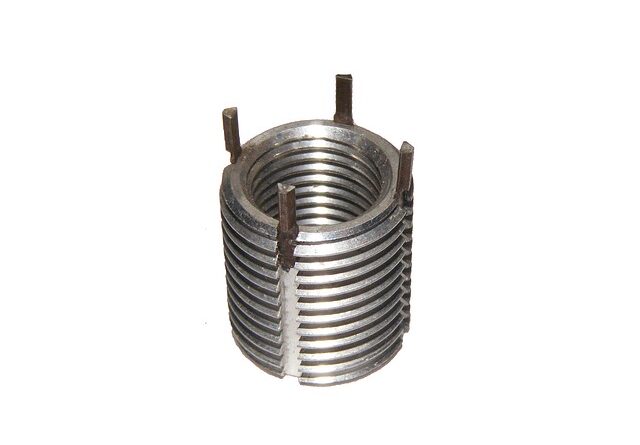
The global market for threading inserts is accelerating, driven by the dual forces of aerospace innovation and automotive electrification. These precision-engineered components now play a central role in fastening lightweight materials, ensuring structural reliability where failure is not an option. With aircraft production rising and electric vehicles demanding modular, serviceable designs, Heli-Coil thread inserts are becoming indispensable across manufacturing lines. The trend reflects a broader industry shift toward sustainable, repairable engineering practices supported by digital manufacturing technologies.
Market Dynamics of Threading Inserts in Aerospace and Automotive Sectors
As both aerospace and automotive industries evolve toward lighter, more efficient structures, threading inserts have emerged as critical enablers of performance. Their growing use reflects the need for durable fastening solutions compatible with modern materials such as titanium and carbon composites.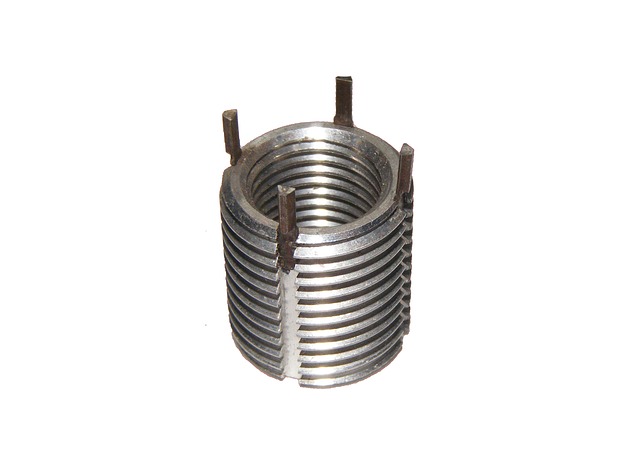
The Expanding Role of Threading Inserts in High-Performance Engineering
Threading inserts reinforce joints in lightweight alloys where traditional fasteners risk stripping or fatigue. They deliver wear-resistant threads that maintain torque integrity even after repeated assembly cycles. This characteristic is particularly valuable in aerospace panels and EV battery housings where maintenance access is frequent. The transition to advanced composites demands fastening systems that distribute stress evenly without compromising weight targets, making inserts essential for achieving design efficiency.
Key Market Drivers Influencing Growth
Several macro trends are shaping the demand trajectory. Aircraft production has rebounded globally with new-generation fleets emphasizing fuel efficiency through lighter airframes. At the same time, vehicle electrification pushes automakers to adopt aluminum-intensive designs requiring reliable threaded connections. Regulatory frameworks such as ISO 9001 and AS9100 emphasize quality assurance and safety compliance, encouraging certified insert systems. Furthermore, supply chain optimization strategies promote modular construction—threading inserts support this by allowing easy part replacement without damaging parent materials.
Technological Advancements Shaping Threading Insert Applications
Rapid innovation in materials science and automation is redefining how threading inserts are designed and manufactured. These developments enhance performance while reducing lifecycle costs across both sectors.
Innovations in Material Composition and Coating Technologies
Manufacturers are experimenting with nickel-based alloys, stainless steel variants, and hybrid composites to improve corrosion resistance under extreme conditions. Coatings like TiN (titanium nitride) or DLC (diamond-like carbon) minimize friction during installation, extending component life. Some research groups are exploring smart coatings capable of monitoring microstrain or temperature changes—useful for predictive maintenance in mission-critical assemblies such as turbine casings or EV drive units.
Precision Manufacturing and Automation in Insert Production
CNC machining combined with additive manufacturing enables tighter tolerances down to microns. This precision supports complex geometries like self-locking coils or miniaturized inserts for electronic modules. Automated production lines integrate vision systems that verify dimensions in real time, ensuring batch consistency even at high volumes. In aerospace applications, digital inspection tools trace every insert’s origin to comply with NADCAP audit requirements.
Aerospace Sector: Demand Acceleration Through Lightweight Design Trends
The aerospace industry exemplifies how threading inserts transform structural design philosophy. As aircraft builders pursue lighter yet stronger assemblies, these components become vital links between dissimilar materials.
Threading Inserts as Enablers of Structural Integrity in Aircraft Components
Inserts reinforce screw joints within aluminum fuselage panels, titanium engine mounts, and composite wing structures. Their presence prevents thread wear during repeated maintenance operations—a common challenge when servicing landing gear or cabin interiors. By distributing load evenly around the bore hole, they preserve mechanical integrity even under vibration or thermal cycling typical of flight environments.
Meeting Stringent Aerospace Standards and Certifications
Aerospace suppliers must meet AS9100-certified quality management systems while maintaining NADCAP accreditation for special processes like coating or heat treatment. Continuous fatigue testing validates each insert’s ability to withstand vibration frequencies up to several hundred hertz without loosening. Collaboration between OEMs such as Boeing or Airbus and material scientists encourages development of next-generation insert formulations tailored to new airframe architectures.
Automotive Industry: Transition Toward Electrification and Lightweighting Solutions
Automotive manufacturing faces similar challenges but on larger scales of volume and cost efficiency. As electric vehicles dominate future mobility roadmaps, threading inserts find new relevance in ensuring safe assembly of lightweight parts exposed to high thermal loads.
The Role of Threading Inserts in Electric Vehicle Design
Battery enclosures made from aluminum require secure fastening points resistant to galvanic corrosion and torque loss under heat expansion cycles. Threading inserts provide these properties while allowing repeated disassembly during battery module upgrades or recycling processes. In powertrain housings, they maintain joint stability despite electromagnetic vibrations generated by high-speed motors.
Enhancing Durability and Serviceability in Modern Vehicles
Thread repair inserts extend the usable life of engine blocks or transmission cases subjected to frequent torque adjustments during service intervals. Their introduction into chassis subassemblies reduces warranty claims associated with stripped threads—a persistent issue in mass-produced vehicles using softer alloys. Automakers increasingly specify insert-compatible designs early in product development to improve long-term reliability metrics.
Competitive Landscape and Emerging Market Opportunities
Competition intensifies as established brands expand portfolios with specialized grades targeting aerospace-certified applications while regional manufacturers scale capacity for automotive supply chains.
Key Players and Strategic Developments Across Regions
Major producers invest heavily in R&D partnerships with universities focusing on metallurgical improvements or coating durability tests under simulated flight conditions. North America leads adoption due to its mature aerospace ecosystem; however, Asia-Pacific shows rapid growth fueled by expanding EV manufacturing bases in China and South Korea. European firms emphasize sustainability-driven insert designs aligned with EU environmental directives.
Future Growth Prospects Driven by Sustainability Goals
Circular economy principles influence future product strategies—recyclable stainless steel variants reduce waste from machining scrap while maintaining mechanical strength comparable to virgin materials. Sustainable production methods such as closed-loop coolant filtration minimize resource consumption during CNC operations. Additionally, increased focus on repairability aligns threading insert usage with long-term maintenance strategies central to green engineering goals.
Integration of Digital Technologies into Threading Insert Design Lifecycle
Digital transformation reshapes how manufacturers conceive, produce, and validate threading inserts across their entire lifecycle—from modeling through field performance tracking.
Simulation Tools for Predictive Performance Analysis
Finite element analysis (FEA) software models thread engagement behavior under tensile or shear loading scenarios before physical prototypes exist. Engineers can simulate stress concentration zones within composite panels reinforced by helical coils, optimizing pitch angles for maximum retention strength. Virtual testing shortens development cycles while lowering tooling expenses associated with destructive validation trials.
Smart Manufacturing Ecosystems Supporting Quality Assurance
IoT-enabled machinery records torque values, temperature fluctuations, and feed rates during each production batch—creating digital fingerprints traceable through enterprise resource planning systems compliant with ISO 14001 environmental management frameworks. Real-time analytics flag deviations instantly so operators can correct tool wear before defects propagate downstream. Digital twins replicate insert geometry evolution over successive production runs to forecast wear trends affecting dimensional accuracy.
FAQ
Q1: Why are threading inserts critical in lightweight aerospace structures?
A: They strengthen threaded joints within soft alloys like aluminum or composites where direct tapping would risk stripping under load cycles common during aircraft operation.
Q2: How do coatings influence the lifespan of threading inserts?
A: Advanced coatings lower friction during installation and resist corrosion from environmental exposure, extending operational service intervals especially under thermal stress conditions.
Q3: What role do digital tools play in modern insert manufacturing?
A: Simulation software predicts mechanical behavior before production while IoT-based monitoring ensures consistent quality control throughout automated assembly lines.
Q4: How does electrification affect demand for threading inserts?
A: Electric vehicles rely on lightweight housings that require secure yet serviceable fastening solutions; thus insert usage increases across battery casings and motor mounts.
Q5: Are sustainable materials being adopted for insert production?
A: Yes, recyclable metals such as stainless steel combined with eco-friendly machining methods support circular economy objectives within both aerospace and automotive industries.