

Surface Finish Gauge vs Visual Inspection Which Method Ensures Reliable CNC Quality
Our Systems Have Detected Unusual Activity Coming From Your System. Please Try Again Later.
Surface finish evaluation in CNC machining is not just a technical step; it’s a business-critical quality gate. The precision of a machined surface defines performance, wear life, and assembly reliability. Experts agree that consistent finish data from a surface finish gauge builds confidence in production control, while visual inspection remains indispensable for aesthetic and macro-defect detection. The most effective approach combines both—quantitative measurement and qualitative review—to achieve traceable, repeatable results across demanding industries like aerospace and medical manufacturing.
Understanding Surface Finish Evaluation in CNC Machining
Precision manufacturing depends on the condition of every machined surface. Before delving into specific methods, it’s essential to recognize why surface quality defines the credibility of any CNC operation.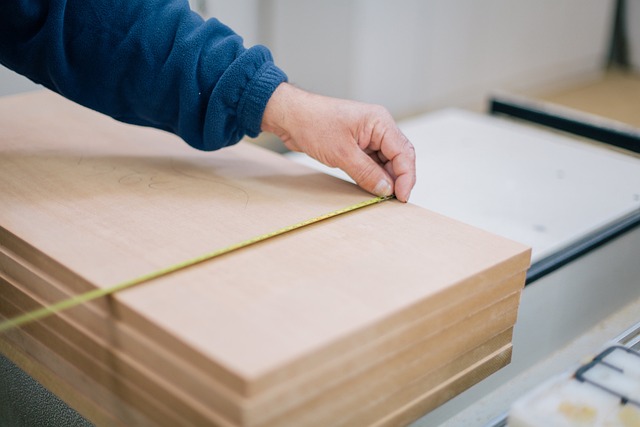
The Importance of Surface Quality in Precision Manufacturing
Surface texture directly affects part function, sealing capability, and fatigue resistance. In high-tolerance work such as turbine blades or orthopedic implants, even minor deviations can lead to rejection. Consistent finishes also reflect stable tool wear and proper feed rates. Reliable evaluation ensures that each component aligns with design intent and customer expectations.
Common Methods for Assessing Surface Finish
Measurement techniques vary by application. Mechanical gauges or profilometers use contact stylus tracing to record micro-topography. Optical scanners provide non-contact readings ideal for delicate surfaces or soft materials. Experienced operators often complement these with visual checks against standard comparison plates or master samples to verify overall appearance.
The Role of Surface Finish Gauges in CNC Quality Control
As production volumes grow and tolerances tighten, quantifiable measurement becomes indispensable. A surface finish gauge bridges the gap between process control data and real-world component behavior.
How Surface Finish Gauges Operate
These instruments evaluate roughness parameters such as Ra (average roughness), Rz (mean peak-to-valley height), and Rt (total profile height). A stylus moves across the surface, capturing vertical deviations that are then converted into digital data sets. This allows statistical process control integration, giving manufacturers traceable evidence of compliance with ISO 4287 or ASME B46.1 standards.
Advantages of Using a Surface Finish Gauge
A gauge provides objective numbers rather than subjective impressions. It detects variations smaller than one micron—imperceptible to the human eye—helping identify early tool wear or vibration issues before defects become visible. Such precision supports certification audits and customer documentation requirements across regulated sectors.
Limitations and Considerations in Gauge-Based Measurement
Despite its accuracy, a gauge demands regular calibration and stable environmental conditions to avoid drift errors. Vibrations from nearby machines or temperature fluctuations can distort readings. Moreover, because the stylus traces only a narrow path, broader flaws like discoloration or chatter marks may go unnoticed without complementary inspection methods.
Visual Inspection as a Traditional Quality Assessment Method
Even with advanced metrology tools available, visual examination remains an integral checkpoint within CNC workshops due to its speed and flexibility.
The Process and Tools of Visual Inspection
Inspectors compare machined parts against reference charts under controlled lighting conditions. Magnifiers or microscopes enhance visibility for small scratches or burrs. Some facilities use standardized comparator plates representing different roughness grades to maintain consistency across teams.
Strengths of Visual Inspection in CNC Environments
Visual review quickly flags obvious defects such as nicks or tool marks that might escape numerical measurement. It’s ideal for large batch screening where throughput matters more than micrometer-level precision. The method requires minimal setup cost yet provides immediate feedback during production shifts.
Challenges Associated with Visual Evaluation
Human perception varies widely; what one inspector deems acceptable another may reject. Fatigue after long hours also reduces detection accuracy. Lighting color temperature can alter perceived texture contrast, complicating judgments on reflective materials like aluminum alloys.
Comparing Reliability Between Surface Finish Gauge and Visual Inspection
Balancing quantitative rigor with practical efficiency is crucial when selecting inspection strategies for CNC machining lines.
Quantitative vs Qualitative Assessment Approaches
A surface finish gauge delivers measurable proof through numerical outputs, while visual assessment captures aesthetic context beyond numbers. When combined, they offer a full-spectrum view—from microscopic irregularities to visible imperfections—enhancing reliability in both functional and cosmetic dimensions.
Application Scenarios for Each Method in CNC Operations
When to Use a Surface Finish Gauge
Industries demanding traceability—such as aerospace turbine housings or medical implants—require certified measurements aligned with international standards.
When to Rely on Visual Inspection
For consumer-facing parts like custom router panels produced via VCarve-style workflows in software-driven routers such as those used by Vectric CNC systems, appearance may outweigh micro-roughness precision.
Integrating Both Methods for Comprehensive CNC Quality Assurance
Modern quality systems increasingly merge tactile instruments with digital imaging tools to form hybrid inspection frameworks.
Developing a Hybrid Inspection Workflow
Critical dimensions should undergo gauge-based verification during intermediate machining stages, while final assemblies receive visual audits before shipment. Correlating measured Ra values with perceived gloss levels helps refine cutting speeds and tool paths for smoother finishes over time.
Leveraging Digital Tools for Enhanced Accuracy and Efficiency
AI-assisted vision systems now support inspectors by identifying recurring defect patterns automatically. Linking gauge data streams directly into CNC dashboards allows real-time adjustments—reducing scrap rates without halting production flow.
Advancing Toward Predictive Quality Management in CNC Machining
The future lies not only in detecting flaws but predicting them before they occur through data-driven insights.
Utilizing Measurement Data for Process Optimization
Continuous monitoring of surface finish trends reveals gradual tool degradation or coolant inefficiencies. By analyzing this data statistically, machines can automatically adjust feed rates or spindle speeds to maintain target finish levels throughout extended runs.
Building Continuous Improvement Frameworks Around Inspection Data
Combining numeric records from gauges with qualitative notes from inspectors creates robust feedback loops across departments—from machining cells to maintenance teams—driving preventive actions rather than reactive fixes within precision manufacturing environments.
FAQ
Q1: What does Ra mean on a surface finish gauge?
A: Ra represents the arithmetic average roughness value calculated from deviations along the measured surface profile.
Q2: Can visual inspection replace surface finish gauges entirely?
A: No, because visual checks cannot quantify micro-texture variations critical for functional parts requiring certification.
Q3: How often should a surface finish gauge be calibrated?
A: Typically every six months under controlled lab conditions or after any mechanical shock that might affect sensor alignment.
Q4: Why do lighting conditions matter during visual inspection?
A: Different light angles and intensities reveal distinct texture features; improper lighting can hide scratches or burrs.
Q5: Is it possible to automate both measurement methods together?
A: Yes, integrated systems now combine optical scanning with tactile sensors within automated cells for complete real-time quality tracking.