

Is Haas TL1 the Right Choice for Precision CNC Turning Workflows
Our Systems Have Detected Unusual Activity Coming From Your System. Please Try Again Later.
The Haas TL1 toolroom lathe stands as a bridge between manual craftsmanship and CNC precision, offering an accessible yet capable platform for small-batch and prototype turning. It delivers industrial-grade accuracy without the overhead of full automation systems. For shops seeking flexibility, the TL1 provides an ideal balance—powerful enough for precision metal cutting, yet straightforward in setup and operation. Its role in modern machining environments is defined by adaptability rather than sheer production speed.
Overview of the Haas TL1 and Its Role in CNC Turning
The Haas TL1 serves as a versatile entry point into CNC turning, designed for toolrooms, training centers, and custom part fabrication. It merges manual-style controls with a full-featured CNC interface, enabling both hands-on machining and automated cycles within the same setup.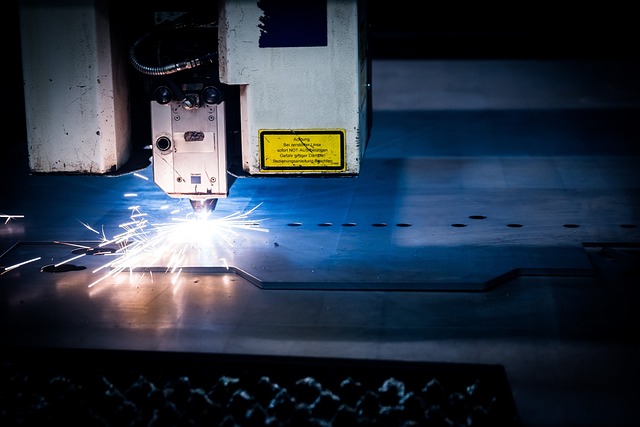
Technical Specifications and Capabilities of the Haas TL1
The TL1 features a 10 hp vector drive spindle with a maximum speed of 2000 rpm, providing sufficient torque for both light finishing passes and heavy roughing cuts. The spindle bore accommodates a 3-inch workpiece diameter, while the standard chuck size fits most mid-range applications. Its bed length supports parts up to 30 inches between centers, giving ample room for shaft-type components or fixtures. The control interface uses the Haas Next Generation Control (NGC) system, known for intuitive navigation and conversational programming options. Precision levels typically reach ±0.0004 inch under stable conditions, aligning with toolroom-grade expectations.
Comparing the TL1 to Other CNC Turning Centers
Compared to production-oriented CNC lathes, the TL1 prioritizes flexibility over automation throughput. Toolroom lathes like this one often feature open enclosures for easier operator access during setup or measurement checks. While high-end multi-axis machines deliver faster cycle times through live tooling or sub-spindles, they also demand greater investment and programming complexity. The TL1’s rigidity is sufficient for steels and aluminum alloys but may limit aggressive cuts on hardened materials. Repeatability remains consistent due to its linear guideways and spindle design, making it suitable for precision prototypes where one-off accuracy matters more than unattended production.
Integration of the Haas TL1 in Precision Turning Workflows
Integrating the TL1 into an existing workflow depends on how much manual intervention is acceptable versus automated throughput expectations. Many shops use it as a complement to larger machines—handling quick-turn jobs or experimental setups before moving parts to full production lines.
Workflow Compatibility with Complex Geometries
The hybrid control design of the TL1 allows machinists to tackle moderately complex geometries using conversational cycles such as facing, threading, or grooving without requiring full G-code programming. For intricate contouring or simultaneous multi-axis motion, however, its two-axis limitation becomes apparent. Prototype development benefits most from this flexibility: operators can manually align tools or test feeds before committing to CNC mode for repeat runs. Small-batch production of aerospace fittings or custom bushings often fits well within its operational range.
Programming and Control Interface Efficiency
The Haas control interface simplifies programming transitions between manual jog operations and automated cycles. Conversational programming lets users input dimensions directly into on-screen templates rather than writing code line by line—a time-saver when iterating prototypes. Features like automatic tool offset setting reduce setup errors during changeovers. Operators can pause machining mid-cycle to inspect dimensions without losing positional data, which enhances confidence during fine-tolerance work.
Performance Evaluation in Precision Manufacturing Environments
Performance evaluation of the Haas TL1 extends beyond raw specifications—it involves stability under load, consistency across multiple runs, and surface integrity after prolonged operation.
Dimensional Accuracy and Surface Finish Quality
Under controlled thermal conditions, dimensional tolerances within ±0.0003 inch are achievable using carbide tooling and balanced cutting parameters. Spindle stability contributes significantly; once warmed up, thermal drift remains minimal due to integrated temperature compensation features in the control system. Tool wear monitoring becomes critical during extended runs since even minor insert degradation can affect finish uniformity. Adjusting spindle speed-to-feed ratios helps achieve mirror-like finishes on aluminum or brass components.
Material Versatility in CNC Turning Applications
The TL1 performs reliably across common metals including aluminum 6061-T6, mild steel 1018, stainless steel 304/316, and even titanium grades when using appropriate inserts. Aluminum allows high-speed finishing at around 1500 rpm with minimal chatter risk, while harder steels require slower feeds near 400 rpm with coolant flow maintained continuously. For exotic alloys such as Inconel or Monel, rigid setups combined with positive-rake carbide tooling help maintain chip control while preventing vibration that could compromise surface quality.
Optimization Strategies for Haas TL1 Operations
Maximizing productivity from a haas tl1 requires attention to setup discipline and preventive maintenance rather than hardware modification alone.
Enhancing Productivity Through Setup Optimization
Proper alignment between chuck jaws and tailstock centerline ensures concentricity during long-part turning operations. Using digital touch setters accelerates tool offset calibration while reducing human error during initial setup stages. Cycle times can be shortened by sequencing roughing passes efficiently—starting from largest material removal zones inward—to minimize tool travel distance per cut.
Maintenance Practices to Sustain Long-Term Precision
Routine inspection schedules should include checking spindle bearings every 1000 operating hours for abnormal noise or heat buildup. Slideways must remain lubricated through automatic systems; any interruption could introduce backlash over time. Annual geometric calibration using laser interferometers helps verify axis straightness within original factory tolerance bands. Keeping firmware updated maintains synchronization between servo responses and programmed feed commands—vital when chasing sub-thousandth tolerances day after day.
Assessing Cost-Efficiency and Return on Investment (ROI) Factors
Economic justification often determines whether a shop invests in a haas tl1 versus outsourcing certain turning tasks or adopting fully automated cells.
Economic Considerations in Choosing a Haas TL1
Acquisition cost sits well below that of multi-axis lathes but above entry-level manual machines—making it attractive for medium-volume operations where flexibility matters more than automation throughput. Energy consumption remains modest due to single-spindle configuration; typical draw ranges around 7 kW under load conditions. Maintenance costs stay predictable thanks to standardized parts availability from domestic suppliers. Operator training takes less time compared with complex CAM-driven systems because conversational programming reduces learning curves dramatically.
When the Haas TL1 Becomes a Strategic Fit in a Machine Shop Environment
The haas tl1 proves strategically valuable when flexibility outweighs full automation needs—for instance in R&D departments testing new designs or educational labs training machinists on CNC fundamentals before advancing them onto production-grade equipment. In mixed-production shops, it complements high-speed lines by taking low-quantity specialty orders that would otherwise interrupt automated cycles on premium machines. Decision-making should weigh job type frequency against capital allocation goals: if most tasks involve short runs requiring frequent retooling, the TL1’s simplicity directly translates into operational savings.
FAQ
Q1: What type of work is best suited for the Haas TL1?
A: It excels at prototype development, small-batch runs, training applications, and general-purpose turning where quick setups are more valuable than continuous automation.
Q2: Can the Haas TL1 handle hard materials like titanium?
A: Yes, but only with proper tooling selection and conservative feeds; rigidity limits prevent aggressive cuts typical of heavy-duty production lathes.
Q3: How accurate is the machine over long-term use?
A: With regular calibration and lubrication maintenance schedules followed precisely, accuracy remains within factory specifications even after several years of service.
Q4: Is conversational programming sufficient for complex parts?
A: It handles moderate complexity well; however advanced multi-contour shapes still require external CAM-generated G-code files imported into the control system.
Q5: What factors influence ROI when purchasing this machine?
A: Primary factors include utilization rate per shift cycle time reductions through efficient setups operator skill level maintenance predictability energy cost per hour compared with outsourcing alternatives.