
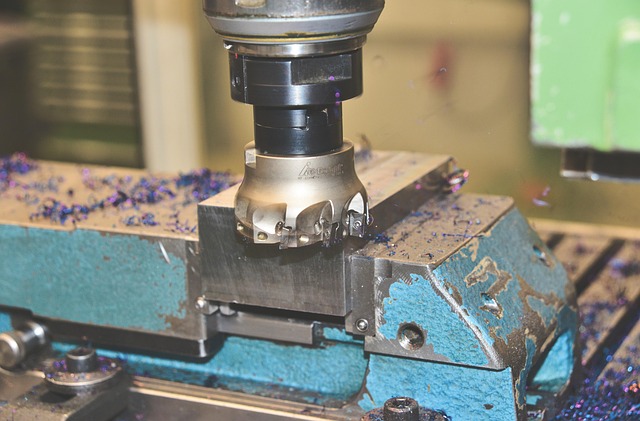
How Are Metal Cutters Shaping the High Speed Steel Cutting Tools Market 2034
High Speed Steel Cutting Tools Market Size, Share, Forecast, 2034
The global market for high speed steel (HSS) cutting tools is set for steady expansion toward 2034, driven by automation, precision engineering, and the integration of smart manufacturing systems. Demand is rising across automotive, aerospace, and general manufacturing sectors as industries seek durable and cost-effective cutting solutions. By 2034, HSS tools are expected to remain vital due to their balance of toughness and wear resistance, even as carbide and ceramic alternatives gain traction. Asia-Pacific will likely dominate production and consumption, while Europe continues advancing in sustainable metallurgy and coating technologies.
Market Overview of High Speed Steel Cutting Tools Toward 2034
The HSS cutting tools market reflects the broader industrial shift toward high-performance machining and energy-efficient manufacturing. As factories automate and digitalize operations, demand for reliable cutting tools that maintain precision under high speeds has surged.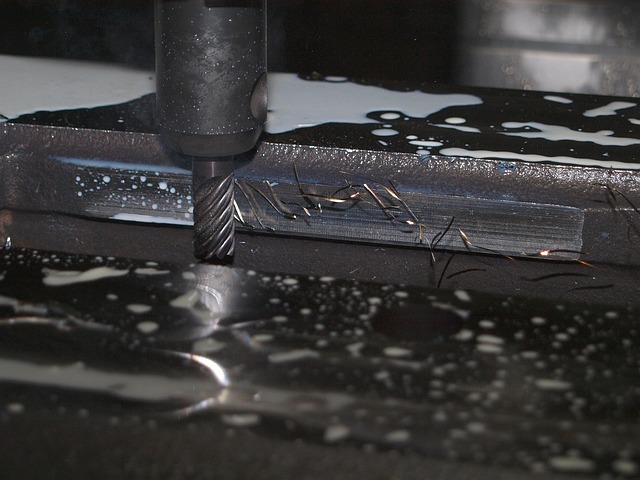
Current Market Dynamics and Growth Drivers
The global demand for HSS cutting tools remains strong due to their cost efficiency compared with carbide or ceramic tools. Industrial automation plays a major role in sustaining growth as automated machining centers require consistent tool performance over long production runs. Precision engineering in sectors like aerospace and medical devices also drives adoption because HSS provides excellent edge retention during complex operations. Raw material pricing trends—especially fluctuations in tungsten, molybdenum, and vanadium—directly affect production costs. Manufacturers increasingly rely on recycled alloys to stabilize prices without compromising quality.
Forecasted Market Trends Through 2034
From 2024 to 2034, the market is projected to grow at a moderate compound annual rate as industries modernize their machining infrastructure. Asia-Pacific countries such as China and India are expected to lead growth due to rapid industrialization and government-backed manufacturing initiatives. In Europe, sustainability targets are encouraging toolmakers to adopt eco-friendly coatings that extend tool life while reducing waste. Technological innovation—particularly in coating deposition methods and cryogenic processing—will enhance competitiveness by improving hardness-to-toughness ratios.
The Role of Metal Cutters in Transforming the HSS Cutting Tools Market
Metal cutters represent both a technological catalyst and a benchmark for performance improvements within the HSS segment. Their evolution shapes how manufacturers approach productivity, durability, and sustainability.
Advancements in Metal Cutter Design and Technology
Recent developments in metal cutter design have introduced advanced coatings like titanium aluminum nitride (TiAlN) that improve heat resistance during high-speed operations. Optimized geometries reduce vibration and enhance chip evacuation. CNC-controlled metal cutters now deliver unmatched precision through adaptive feed control systems that adjust cutting parameters in real time. Hybrid designs combining carbide tips with HSS bodies offer extended durability without sacrificing toughness—a practical solution for heavy-duty milling or turning applications.
Impact on Manufacturing Efficiency and Productivity
Modern metal cutters contribute directly to shorter machining cycles by allowing higher feed rates without compromising surface finish quality. Improved geometry design reduces frictional losses, which lowers energy consumption per part produced. Enhanced surface finishes also minimize post-processing steps such as polishing or grinding, saving time on finishing lines. For large-scale manufacturers operating multiple CNC cells, these efficiency gains translate into measurable reductions in operational costs.
Interrelation Between Metal Cutters and Band Saw Blades for Wood Applications
Though serving different materials, metal cutters and band saw blades for wood share overlapping advancements in metallurgy and design philosophy that influence tool innovation across sectors.
Cross-Sector Influence on Material Science Innovations
Both metal cutters and wood band saw blades benefit from shared research into alloy microstructures that improve fatigue resistance under cyclic loads. The adaptation of tooth geometry principles originally used in woodworking has led to smoother chip flow during metal cutting operations. Coating technologies developed for wood blades—like low-friction diamond-like carbon films—are now applied to metal cutters to extend lifespan across diverse substrates.
Expansion of Product Portfolios Across Industries
Manufacturers are diversifying product portfolios by offering unified tool families capable of handling both metallic and non-metallic materials. This trend aligns with hybrid manufacturing environments where shops process steel components alongside composite or wooden fixtures. The growing need for multi-material cutting solutions underscores how cross-sector innovation fosters flexibility within modern production ecosystems.
Technological Innovations Driving the Next Generation of HSS Cutting Tools
Innovation defines competitiveness in the HSS market as digitalization merges with advanced material science to create smarter, longer-lasting tools.
Integration of Smart Manufacturing Technologies
IoT-enabled sensors embedded within cutting tools now provide real-time feedback on temperature, vibration, and wear conditions. Predictive maintenance algorithms use this data to anticipate tool failure before it occurs, reducing downtime across high-volume production lines. Data analytics platforms further refine utilization rates by identifying optimal replacement intervals based on actual performance metrics rather than fixed schedules.
Material Enhancements Through Advanced Metallurgy
Nano-grain HSS materials are emerging as a breakthrough innovation capable of improving both hardness and fracture toughness simultaneously. Cryogenic treatments performed at sub-zero temperatures refine grain structures within the steel matrix, significantly enhancing fatigue resistance under repeated stress cycles. These metallurgical advances extend service life while maintaining machinability—a key factor for industries balancing cost against throughput efficiency.
Competitive Landscape and Strategic Developments Among Key Players
Competition intensifies as established manufacturers pursue acquisitions while start-ups carve niches through specialized product offerings tailored for demanding applications.
Market Positioning Strategies by Leading Manufacturers
Major producers focus on mergers and partnerships that expand technological capabilities across regions with strong industrial bases. Investment in R&D remains central as companies develop proprietary coatings designed for high-temperature stability or corrosion resistance. Establishing regional production hubs allows them to shorten supply chains while meeting local content requirements imposed by trade policies.
Emerging Entrants and Niche Innovators in the Market Ecosystem
New entrants often target specific machining challenges such as aerospace-grade titanium or hardened steels where conventional tooling struggles. Collaboration between machine builders and toolmakers is becoming common practice; co-developed systems integrate spindle control algorithms with cutter geometry optimization to achieve superior results under dynamic load conditions.
Future Outlook: Evolving Role of Metal Cutters in the 2034 Market Scenario
As environmental regulations tighten globally, sustainability becomes inseparable from profitability within the tooling industry’s next decade of evolution.
Shifts Toward Sustainable Manufacturing Practices
Manufacturers are adopting recyclable alloys that reduce environmental impact throughout a tool’s lifecycle—from smelting through disposal. Eco-friendly coating technologies based on waterborne chemistries replace traditional solvent-based processes that generate hazardous waste streams. These transitions align with broader circular economy goals promoted by international standards organizations like ISO.
Anticipated Industry Transformations by 2034
By 2034, convergence between digital manufacturing platforms, automation systems, and adaptive cutting technologies will redefine productivity benchmarks across machining sectors. Traditional HSS tools will gradually evolve into sensor-integrated systems capable of self-calibration during operation—enhancing process intelligence beyond what static tooling can achieve today.
FAQ
Q1: What factors are driving growth in the HSS cutting tools market?
A: Increasing automation in manufacturing plants, demand from precision engineering sectors like aerospace, and advancements in tool coating technologies are key drivers shaping market expansion toward 2034.
Q2: How do metal cutters influence overall productivity?
A: Modern metal cutters reduce machining time through optimized geometries while improving surface finish quality; this leads to lower energy consumption per component produced.
Q3: Why are Asia-Pacific countries leading future growth?
A: Rapid industrialization combined with supportive government programs promoting domestic manufacturing positions Asia-Pacific as the fastest-growing region for HSS tooling demand.
Q4: What role does sustainability play in future tool development?
A: Sustainability drives adoption of recyclable materials and eco-friendly coatings that minimize environmental footprint without compromising performance standards.
Q5: How will technology shape next-generation HSS tools?
A: Integration of IoT sensors, predictive analytics, nano-grain metallurgy, and cryogenic treatments will produce smarter tools with longer service lives suited for automated factories of the future.