
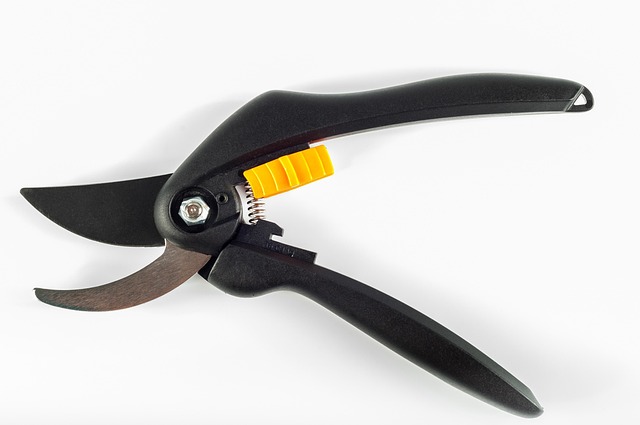
Is a Metal Shear Cutter More Efficient Than the HORUSDY 250mm Aviation Tin Snips Set
HORUSDY 250mm Aviation Tin Snips Set
Metal fabrication professionals often face a choice between speed and precision. The metal shear cutter delivers rapid, straight cuts on large sheets, while the HORUSDY 250mm Aviation Tin Snips Set provides control for curves and tight spaces. Both tools are indispensable in workshop and field operations, yet their mechanical principles, ergonomic designs, and cost implications differ significantly. For most industrial users, combining both tools offers the best balance between throughput and accuracy.
Comparing Metal Shear Cutters and the HORUSDY 250mm Aviation Tin Snips Set
Selecting between these two tools depends on project type, cut geometry, and production scale. Their structural design determines not only cutting performance but also operator comfort and tool longevity.
Purpose and Design of Each Tool
Metal shear cutters are engineered for long, continuous cuts through sheet metal with minimal edge deformation. They maintain alignment across extended lengths, making them ideal for HVAC panels or roofing sheets.
The HORUSDY 250mm Aviation Tin Snips Set is tailored for manual control where flexibility matters most—such as trimming edges around ducts or cutting circular openings. Its compact form allows work in confined areas without compromising cut quality.
Both serve distinct roles: shear cutters dominate in high-volume fabrication lines, while aviation snips excel during fitting and finishing stages.
Structural Differences and Cutting Mechanisms
Shear cutters operate using either powered motors or lever-driven shearing action. This design enables repetitive cuts with consistent pressure distribution across the blade length.
Aviation snips rely on compound leverage mechanisms that multiply hand force through pivot geometry. This allows operators to slice through stainless steel or galvanized sheets with reduced effort.
Choosing between them depends on material gauge, cut length, and required precision—shears for straight efficiency; snips for intricate maneuvering.
Efficiency Metrics in Metal Cutting Applications
Efficiency in metal cutting is measured not only by speed but also by consistency over time. Workshop managers often evaluate throughput alongside fatigue levels and energy costs.
Cutting Speed and Throughput
Metal shear cutters can process large sheets quickly due to their linear motion path and mechanical advantage. In contrast, tin snips move slower but allow precise directional control when following complex contours.
The operator’s technique significantly influences results; even a sharp shear may underperform if alignment drifts during operation. Material hardness also plays a role—soft aluminum cuts faster than cold-rolled steel.
Energy Consumption and Operator Fatigue
Powered shear cutters reduce manual strain but introduce electrical or pneumatic energy demands along with maintenance overheads. Manual snips depend entirely on user strength; extended use can cause hand fatigue if ergonomics are poor.
Ergonomic handle design, particularly cushioned grips like those on the HORUSDY set, helps sustain performance over long shifts by minimizing wrist torsion.
Precision and Quality of Cut Edges
Precision defines whether a cut piece requires post-processing or fits immediately into assembly lines. Edge quality impacts welding consistency, paint adhesion, and final appearance.
Edge Finish and Material Distortion
Properly aligned shear cutters produce smooth edges with minimal burr formation because both blades move parallel under uniform pressure.
Aviation snips may cause slight curling near edges depending on cutting direction—left-cut or right-cut variants manage this by guiding waste material away from the workpiece.
Material composition affects finish: aluminum tends to stay flat after cutting, while stainless steel may spring back slightly due to internal stress.
Accuracy in Complex Geometries and Tight Spaces
Tin snips outperform shears when working around corners or producing irregular shapes such as vent holes or curved seams in automotive panels. Their short jaw length improves visibility at the cutting point.
Shear cutters maintain dimensional accuracy across long straight sections but lack flexibility for small radii or confined zones. Many professionals alternate between both tools within a single project to optimize workflow efficiency.
Durability, Maintenance, and Cost Considerations
Durability determines total ownership cost over years of service. Regular inspection of blades, pivots, and lubrication points ensures consistent performance under heavy workloads.
Tool Lifespan and Blade Wear Resistance
Industrial-grade shear cutter blades are typically made from hardened alloy steels capable of enduring repeated high-pressure cycles without significant dulling.
The HORUSDY aviation snips feature heat-treated steel edges designed to resist wear during frequent use on coated metals or wire mesh materials. Proper cleaning after each session prevents corrosion that can shorten lifespan.
Cost Efficiency Over Time
Initial investment favors aviation snips due to lower purchase price; however, high-volume environments may find powered shears more economical long term due to reduced labor costs per meter of cut material.
Replacement frequency varies: snip blades dull faster under daily use but are inexpensive to replace compared with full shear assemblies requiring professional servicing.
Application Scenarios in Professional Metalworking Environments
Tool selection aligns closely with industry-specific needs—from HVAC duct manufacturing to custom automotive bodywork—each requiring distinct cutting characteristics.
Sheet Fabrication and HVAC Workflows
Shear cutters dominate sheet fabrication tasks like preparing air duct panels or trimming roofing panels where precision straight lines matter more than flexibility. Their ability to produce identical parts rapidly supports standardized production systems.
Automotive Bodywork and Precision Fittings
Aviation snips shine during vehicle restoration or modification work where curved profiles must align perfectly along wheel arches or door seams. The HORUSDY set’s three-color-coded variants (left, right, straight) simplify directional selection during assembly adjustments.
Integration into Workshop Tool Systems
In fixed setups such as metal shops or manufacturing plants, shear cutters integrate easily into bench-mounted systems equipped with safety guards and foot controls for continuous output rates exceeding manual alternatives.
Portability and On-Site Use Cases
Field technicians often favor the HORUSDY 250mm set because it requires no external power source yet handles multiple materials efficiently—from mild steel flashing to copper sheets used in roofing repairs.
Safety Practices and Ergonomic Design Factors
Safety remains paramount given the sharpness of blades involved in both tool types. Proper handling habits prevent injuries while extending tool life expectancy.
Handling Techniques to Minimize Risk of Injury
Operators should align wrists naturally with handles when applying force through aviation snips; twisting motions increase strain risk over prolonged sessions. Shear machines should include blade guards that close automatically once a cut completes to prevent accidental contact during setup adjustments.
Ergonomic Enhancements for Professional Users
The HORUSDY 250mm set incorporates non-slip rubberized grips that maintain traction even under oily conditions common in workshops. Adjustable stands or foot pedals attached to power shears improve posture by allowing operators to maintain neutral arm positions throughout repetitive cycles.
Performance Evaluation Summary Across Key Parameters
Comparative analysis reveals complementary strengths rather than direct competition between these tools across industrial applications.
Efficiency Metrics: Speed vs Control
A metal shear cutter prioritizes speed on large sheet runs where linear accuracy outweighs mobility constraints; its throughput advantage becomes evident during batch production tasks exceeding several meters per minute.
Precision Metrics: Straight vs Curved Cuts
HORUSDY tin snips deliver superior maneuverability around complex geometries though they trade off some throughput capacity compared with automated shearing systems used in mass production facilities.
Operational Economics: Investment vs Maintenance
Long-term value depends on balancing capital expenditure against consumable costs—mechanical shears demand higher upfront spending but lower replacement frequency; aviation snips offer affordability at purchase yet require periodic sharpening or replacement under intensive use schedules.
FAQ
Q1: What materials can the HORUSDY 250mm Aviation Tin Snips Set cut?
A: It can handle mild steel up to approximately 1.2 mm thickness as well as aluminum, copper sheets, plastic trims, and wire mesh commonly used in construction projects.
Q2: Are powered metal shear cutters suitable for stainless steel?
A: Yes, provided they feature hardened alloy blades rated for high-tensile materials; otherwise blade wear accelerates rapidly under stainless workloads.
Q3: How often should aviation tin snips be lubricated?
A: After each day’s use—especially when exposed to moisture—to prevent hinge corrosion that could stiffen motion over time.
Q4: Which tool is better for beginners learning sheet metal work?
A: Manual aviation snips offer safer handling at slower speeds while teaching proper line-following technique before transitioning to powered shears later on.
Q5: Can both tools be used interchangeably in one project?
A: Yes; professionals frequently rough-cut panels using a shear cutter then refine edges or create curves using aviation snips for final detailing tasks.