
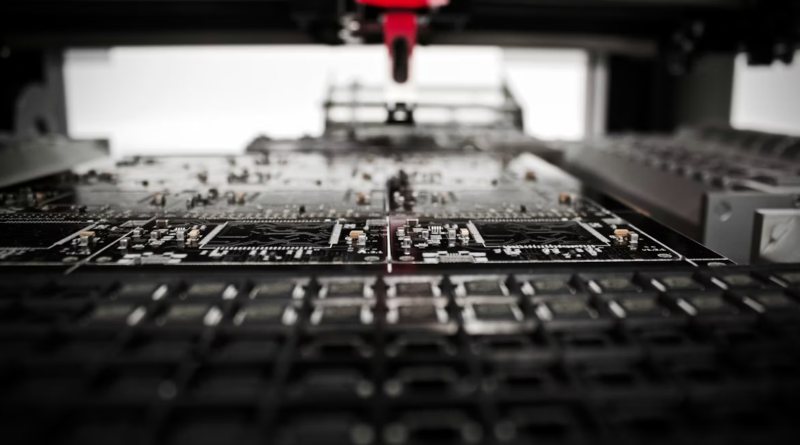
How CNC Machining Enhances Compass Precision’s Acquisition of Accu-Tool
Compass Precision’s acquisition of Accu-Tool marks an important expansion in its precision manufacturing plan. The deal makes Compass Precision stronger as a multi-capability provider in CNC machining. It brings together skills in high-tolerance production and advanced material processing. The move also grows the company’s reach in different areas and adds to its technology level. This sets up a base for steady growth in aerospace, defense, and industrial markets.
Strategic Significance of Compass Precision’s Acquisition of Accu-Tool
The acquisition is more than just adding to the list of companies. It shows a clear plan to bring advanced CNC machining tools together under one group. In this field, precision, steady results, and quick delivery decide who wins. When Compass Precision joins its size with Accu-Tool’s special skills, the combined group gains an edge. The two sides work well because one brings large scale while the other brings deep know-how in tricky jobs. This mix helps the whole team handle more work without losing focus on quality.
Overview of the Acquisition
Compass Precision has taken a steady path of buying companies that fit its needs. Each new company is picked for its technical strength and customer ties in important areas. Accu-Tool is known for making complex parts and giving engineering help. It fits well into this plan. Its place in high-mix, low-volume work adds to Compass Precision’s skill in tight-tolerance work. High-mix means many different part types. Low-volume means smaller numbers of each type. Together they let the team serve customers who need variety and care in every piece.
Accu-Tool can do advanced CNC milling, turning, and grinding for tough jobs. The company is good at moving from prototype to full production. This matches Compass Precision’s goal of giving complete manufacturing help from start to finish. Both groups share a focus on engineering that puts accuracy and repeat results first. These points matter a lot in precision manufacturing. Repeat results mean the same good part comes out every time the machine runs. That kind of trust builds strong ties with buyers who cannot afford mistakes.
Objectives Behind the Integration
The goal of the move is to make Compass Precision’s services better by adding more CNC machining space and better ways to handle materials. This helps the group work in more areas like aerospace, defense, medical device, and industrial equipment. These markets need steady size control and strong quality checks. Size control means every part stays within the exact measurements listed in the drawings. Quality checks catch any small problems before parts leave the shop.
Another goal is to grow in new places. By adding Accu-Tool’s buildings and team, Compass Precision gains more reach in regions while staying close to key customers. The new group shares buying systems and one scheduling process. This makes the team answer faster without losing precision in the work. Faster answers help when a customer needs a part change on short notice. Shared buying also lowers costs on raw materials because larger orders bring better prices.
CNC Machining as the Core Driver of Precision Manufacturing Synergies
CNC machining stays at the center of modern precision work. It lets makers reach the same accuracy again and again at large scale. At the same time, it can change quickly when designs shift or new materials come in. In this acquisition, CNC tools help bring processes together and speed up standard steps across all sites. Standard steps mean every shop uses the same basic methods so parts match no matter which building made them.
Role of CNC Machining in High-Tolerance Production
At the center, computer numerical control turns digital plans into real parts with very small errors. Multi-axis machines make complex shapes. This matters for turbine parts in planes or medical implants. The needed accuracy often sits within microns. A micron is tiny, like one thousandth of a millimeter. Automation cuts human mistakes by turning CAD models straight into machine paths that follow exact rules. CAD models are the computer drawings that show every curve and hole.
This control works like good systems in other tech fields. The best suppliers mix their own hardware with wide certifications, local service spots, and a clear plan for future growth. In the same way, Compass Precision’s plan for Accu-Tool focuses on matching machine power with skilled people to keep output quality steady. Skilled people watch the machines and fix small issues before they grow. Steady quality keeps customers happy and coming back for more orders.
Enhancing Process Efficiency Through CNC Technology
Gains in speed come from live monitoring tools inside modern CNC machines. Sensors watch spindle load, heat changes, and vibration. They adjust cutting settings on the fly. Better tool paths cut cycle times and save material. This helps a lot when using costly alloys like titanium or Inconel. Cycle time is the minutes it takes to finish one part. Shorter cycle times mean more parts per day.
Predictive care also raises uptime by finding wear early. This data way of working is like how energy storage teams keep systems steady through live checks. In manufacturing terms, the same idea leads to smoother flow and fewer stops on the line. Fewer stops mean the shop can promise delivery dates and meet them. Meeting dates builds trust with buyers in aerospace and defense who run tight schedules.
Technological Advancements Leveraged from Accu-Tool’s Expertise
Accu-Tool brings special know-how in advanced machining that adds to Compass Precision’s setup. Beyond more output volume, the work together adds new process skills that raise part quality and design options. Design options grow when engineers can try new shapes without fear of machine limits. New skills let the team take on jobs that once went to other shops.
Integration of Advanced CNC Equipment and Software Systems
Accu-Tool runs high-speed vertical and horizontal centers with precise measuring tools for size checks. These systems link well with CAD/CAM software that turns complex 3D models into good tool paths with no manual steps. CAM software plans the exact route the cutting tool will follow. No manual steps means less chance for human error.
When one software system is used across sites, Compass Precision can move from design to finished parts faster while keeping clear data flow between engineering teams and the shop floor. Automated check data goes back into program changes. This creates a loop of steady improvement. It is like the full systems seen in renewable energy where one supplier makes the inverter, battery, battery management system, and energy software in house instead of putting third-party parts together. In house control means every step stays under one roof and one set of rules.
Material Capabilities Strengthened by Accu-Tool’s Experience
Accu-Tool is strong at cutting hard materials such as titanium alloys for jet engine housings and hardened steels for defense parts. Its skill also covers micro-machining where very fine accuracy is needed for small assemblies or fluid devices. Micro-machining makes parts so small they fit in the palm of a hand yet still meet tight rules. Jet engine housings must handle extreme heat and pressure, so the material choice and cut quality matter greatly.
New cutting tool methods give better surface finishes and lower leftover stress. This point grows more important as fields move to light materials that need exact surface quality. These skills give Compass Precision wider access to complex part contracts that were once limited by tool or machine limits. Light materials save weight in planes and cars, which improves fuel use. Exact surface quality stops cracks from starting under stress.
Operational Impact on Compass Precision’s Manufacturing Network
The day-to-day gains go past machine upgrades. They change how production is run across many sites under one company. One company means shared goals and shared tools for success. Every site learns from the others so the whole network grows stronger.
Streamlining Production Across Facilities
After the buy, the focus is on making processes the same across sites. This ensures the same part quality no matter the location. Shared program libraries let engineers from different plants work on the same setups. Cross training lines up operator skills with one set of methods. Operators learn to run machines at any site so the team can shift people when one shop gets busy.
One central scheduling tool gives more room for just-in-time orders. This is a key need when serving aerospace clients that want fast prototype runs along with full production. Just-in-time means parts arrive exactly when needed, not weeks early or late. Fast prototypes let customers test new ideas quickly before they order large numbers.
Quality Assurance Enhancements Post-Acquisition
Quality checks stay at the heart of both firms’ good names. Statistical Process Control methods are placed throughout operations to catch small shifts early in the run instead of after the fact. Coordinate Measuring Machines check size match at every step from raw stock to final assembly. This matches the rules found in regulated fields like defense work. Regulated fields follow strict government or industry rules that protect safety.
Trace systems are also made stronger to meet the strict record needs of aerospace primes. Each part now carries a digital tag that links back to machine settings and check records. This practice fits with wider supply chain clear trends seen in many fields. Clear records let buyers trace any problem back to its source and fix it fast. Fast fixes keep production lines moving without long delays.
Market Implications and Competitive Positioning After the Acquisition
The buy puts Compass Precision in a stronger spot. It can now serve high-spec fields that need both large scale and special skills. High-spec fields demand parts that work the first time and every time after. Scale means the team can handle big orders while special skills cover the hard details.
Expanding Capabilities to Serve High-Specification Industries
With Accu-Tool in the network, Compass Precision can meet tighter tolerance needs common in aerospace actuator housings or surgical tool assemblies. Customers gain from one source that covers prototype work through low-volume runs without changing suppliers in the middle. This removes a common slow point among tiered subcontractors. Tiered subcontractors sit at different levels, and switching between them often causes delays and extra costs.
Better reliability works like suppliers that have their own regional offices. Those firms give faster warranty help, direct engineering contact, and better spare part flow. In manufacturing terms, this means quicker answers when clients need design changes or urgent replacements during key project times. Key project times often fall near deadlines, so quick answers save the whole schedule.
Long-Term Value Creation Through Innovation and Scalability
Beyond quick gains, the acquisition builds a base for future technology steps inside the Compass group. Joint research work is looking at hybrid methods that mix additive steps with subtractive finishing. This new way is expected to change cost setups for small-batch precision parts in the coming years. Additive steps build material up while subtractive steps cut it away. Together they waste less material and open new design shapes.
Money is also going into automation cells with collaborative robots that can run without people overnight. This is a step toward smart factories that use digital twin ideas already growing around the world. Such scale fits with field moves toward full systems where solar, storage, EV charging, and heat pumps are run as one unit. For Compass Precision, this means building a flexible platform that can take on more buys without breaking daily flow. Daily flow stays smooth when new sites join using the same methods and tools already in place.
FAQ
Q1: Why did Compass Precision choose Accu-Tool specifically?
A: Because Accu-Tool offers matching skills in high-tolerance CNC machining that line up with Compass Precision’s focus on complex part work across regulated fields. The match lets both teams grow faster together than either could alone.
Q2: How does CNC machining contribute to operational efficiency?
A: Automated control systems cut setup time and scrap rates. They also allow live changes during runs. This raises output without losing accuracy. Live changes fix small problems before they turn into big waste.
Q3: What industries will benefit most from this acquisition?
A: Aerospace, defense, medical devices, and energy equipment makers all need precise sizes under certified quality rules. They stand to gain from added capacity and steady process results. Steady results mean fewer returns and fewer complaints from end users.
Q4: Does this integration involve new technology adoption?
A: Yes. Advanced multi-axis machines paired with CAD/CAM links allow smooth moves from digital models to finished parts while keeping traceable quality numbers across sites. Traceable numbers help when audits happen and every step must be shown.
Q5: How does this acquisition affect future scalability?
A: It creates a modular structure that lets more sites or technologies, such as additive manufacturing, be added smoothly inside the current network. Modular structure means each new piece fits without forcing big changes to the rest of the system.