
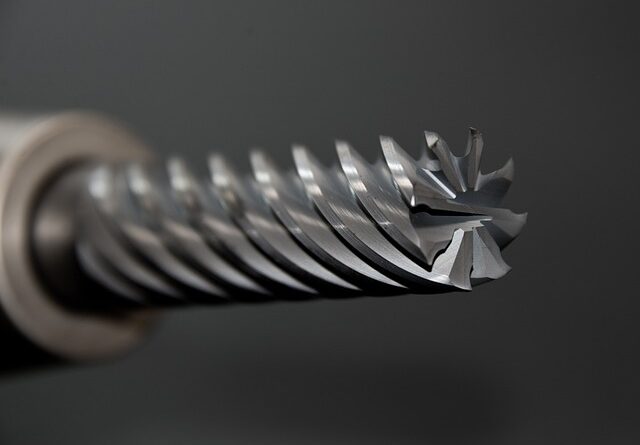
Can Laguna CNC Redefine Precision in Makerspaces for Creative Innovation
Makerspaces Carve Out a Place for Creativity
Modern makerspaces have become more than shared workshops—they are incubators of precision, creativity, and technology. The introduction of CNC systems, particularly Laguna CNC machines, has redefined what small-scale fabrication can achieve. These tools merge industrial-grade performance with accessibility, allowing artists, engineers, and researchers to collaborate seamlessly. As digital fabrication evolves, makerspaces equipped with advanced CNC technology are setting new standards for innovation and education.
The Role of CNC Technology in Modern Makerspaces
CNC equipment has reshaped how shared creative environments function. Once limited to basic woodworking or 3D printing, makerspaces now host advanced manufacturing processes capable of micron-level precision. This shift is not merely technical—it’s cultural, connecting design disciplines that previously operated separately.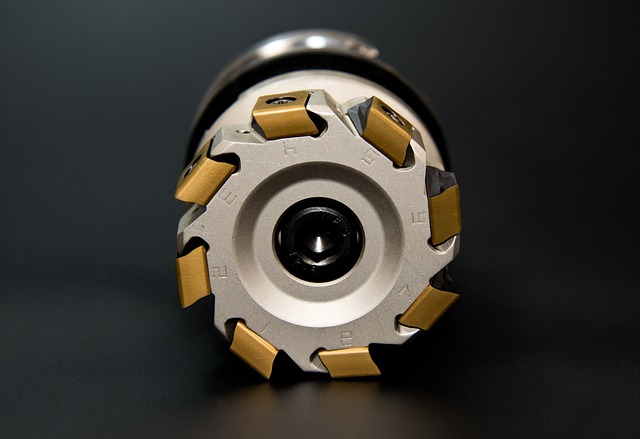
Integration of CNC Machines in Collaborative Environments
CNC systems bring precision manufacturing into spaces where collaboration thrives. Their computer-controlled accuracy allows multiple users to execute complex projects without compromising quality. Automation expands the range of possible creations—from architectural models to mechanical prototypes—while maintaining repeatability. Accessibility to such machinery encourages cross-disciplinary work where an artist might use the same Laguna CNC router as an engineer refining mechanical parts.
Evolution of Digital Fabrication Tools in Makerspaces
The journey from manual prototyping to digital production has been swift. Early makers relied on hand tools and analog jigs; today’s creators employ CAD/CAM workflows that translate intricate designs directly into machine paths. This integration enhances accuracy and consistency while reducing waste. Open-source platforms have further democratized access, allowing users to modify tool configurations or share custom scripts suited for specific materials or geometries.
Laguna CNC as a Catalyst for Precision Engineering
Among various CNC brands found in makerspaces, Laguna CNC stands out for its balance between industrial capability and user-friendly operation. Its adoption often marks a turning point where hobbyist setups evolve into semi-professional fabrication labs.
Core Features That Define Laguna CNC’s Performance
Laguna CNC machines feature high-speed spindles paired with rigid gantry frames that maintain dimensional integrity even under heavy loads. Their motion control systems reduce vibration and tool deflection, critical factors when machining metals or composites. Compatibility across materials—from hardwoods to aluminum—broadens their application scope within makerspaces that cater to diverse disciplines.
Comparing Laguna CNC with Conventional Makerspace Equipment
Compared with standard routers or entry-level mills, Laguna CNC units deliver higher repeatability and tighter tolerances. The software interface is streamlined enough that even first-time users can learn essential operations quickly while still offering depth for advanced programming. Maintenance routines are simplified through modular components and accessible service points, keeping machines operational longer despite shared use.
Enhancing Creative Innovation Through Precision Fabrication
Precision is not only about measurement; it’s about trust in the output. When creators know their designs will be faithfully reproduced, they experiment more freely and iterate faster—a key advantage within community-driven workshops.
How Precision Drives Creative Experimentation
Accurate translation from digital model to physical object enables rapid prototyping cycles without cumulative error. Fine tolerances open possibilities for interlocking assemblies or kinetic sculptures requiring perfect alignment. In practice, this means fewer failed prints or misaligned joints—critical when time and materials are shared among many users.
Bridging Artistry and Engineering with Laguna CNC
Laguna CNC tools blur the boundary between art and engineering. Artists gain access to industrial-grade precision once reserved for factories, letting them carve intricate textures or large-scale installations with consistent quality. Engineers benefit from the same accuracy when fabricating functional prototypes such as robotic arms or enclosures requiring minimal post-processing. Collaboration between both groups often yields hybrid outcomes: furniture integrating electronics or sculptural forms doubling as structural components.
Workflow Optimization in Makerspaces Using Laguna CNC Systems
Efficiency determines how productive a makerspace can be, especially when equipment is shared among dozens of members daily. Streamlined workflows supported by digital integration keep projects moving smoothly from concept to completion.
Streamlining Design-to-Fabrication Processes
Laguna CNC integrates seamlessly with major CAD/CAM platforms like Fusion 360 or SolidWorks CAM modules. Automated toolpath generation shortens setup times while real-time simulation prevents costly mistakes before cutting begins. By visualizing feed rates and material removal patterns virtually, users minimize waste—a practical concern when working with expensive stock materials such as carbon fiber sheets or exotic woods.
Supporting Scalable Production within Collaborative Settings
Shared access scheduling software allows multiple users to queue jobs efficiently without idle machine time. Modular fixturing systems enable two or more small projects to run concurrently on larger tables without interference. Data-driven usage logs help coordinators analyze peak hours and optimize machine allocation across user groups ranging from students to professional designers.
Expanding Educational and Research Opportunities with Laguna CNC Technology
Beyond fabrication, the presence of industrial-grade equipment transforms a makerspace into a learning hub where theory meets practice under real-world conditions.
Skill Development Through Hands-On Digital Fabrication Training
Exposure to professional machinery like Laguna CNC prepares users for careers in advanced manufacturing sectors such as aerospace tooling or product design engineering. Structured workshops teach not just operation but also principles of feed rate calculation, bit selection, and G-code modification—skills directly transferable to industry environments. Peer mentoring within these spaces accelerates skill acquisition through informal yet effective knowledge exchange.
Facilitating Research in Material Science and Design Innovation
Researchers increasingly rely on precision machining for testing novel materials—biocomposites, recycled polymers, conductive resins—that demand consistent cutting parameters for valid results. Repeatable outputs enable comparative studies across variables like spindle speed or cooling method. Integration with IoT sensors allows tracking temperature fluctuations or vibration data during milling sessions, supporting optimization studies aligned with academic research protocols recognized by organizations such as IEEE and ISO standards committees.
Future Directions: Redefining the Boundaries of Makerspace Capabilities with Laguna CNC
The next phase of digital fabrication will likely blend automation intelligence with networked collaboration models already emerging across global innovation hubs.
Emerging Trends in Digital Fabrication Ecosystems
Hybrid manufacturing combining additive printing and subtractive milling expands creative freedom by merging surface detail from 3D printing with structural strength from milling processes. AI-assisted path planning promises smoother finishes by predicting tool wear patterns before they occur—a field gaining traction under current IEC discussions on smart manufacturing systems. Networked machines now allow remote monitoring via secure cloud dashboards so teams can manage projects across cities while sharing one physical machine base through scheduled sessions.
The Potential Impact on Next‑Generation Creative Industries
As precision tools become more accessible through open membership models, innovation decentralizes beyond traditional institutions into local hubs equipped with technologies like Laguna CNC routers and mills. These spaces evolve into micro-factories capable of producing market-ready prototypes within days rather than months. By bridging creativity with scalable engineering capability, Laguna CNC positions itself at the intersection where artistry meets production efficiency—a combination shaping the next generation of design-led industries worldwide.
FAQ
Q1: What makes Laguna CNC suitable for makerspaces?
A: Its combination of precision hardware, intuitive software interfaces, and material versatility fits both beginners learning fundamentals and professionals executing complex builds in shared environments.
Q2: How does using a Laguna CNC improve project accuracy?
A: The rigid frame structure minimizes vibration while advanced motion controls maintain consistent tool paths even during high-speed operations, resulting in precise dimensions every time.
Q3: Can multiple users operate one Laguna CNC simultaneously?
A: Yes, modular workholding setups allow segmented tasks so several small jobs can run consecutively without downtime between operators’ sessions.
Q4: What educational benefits come from training on industrial-grade machines?
A: Students gain direct exposure to real manufacturing conditions—understanding tolerances, feeds, speeds—and develop job-ready skills applicable across mechanical design fields.
Q5: Are there sustainability advantages in using modern CNC systems?
A: Real-time simulations reduce wasted material during setup trials while efficient cutting strategies lower energy consumption compared to manual machining methods documented by ISO energy management frameworks (ISO 50001).