
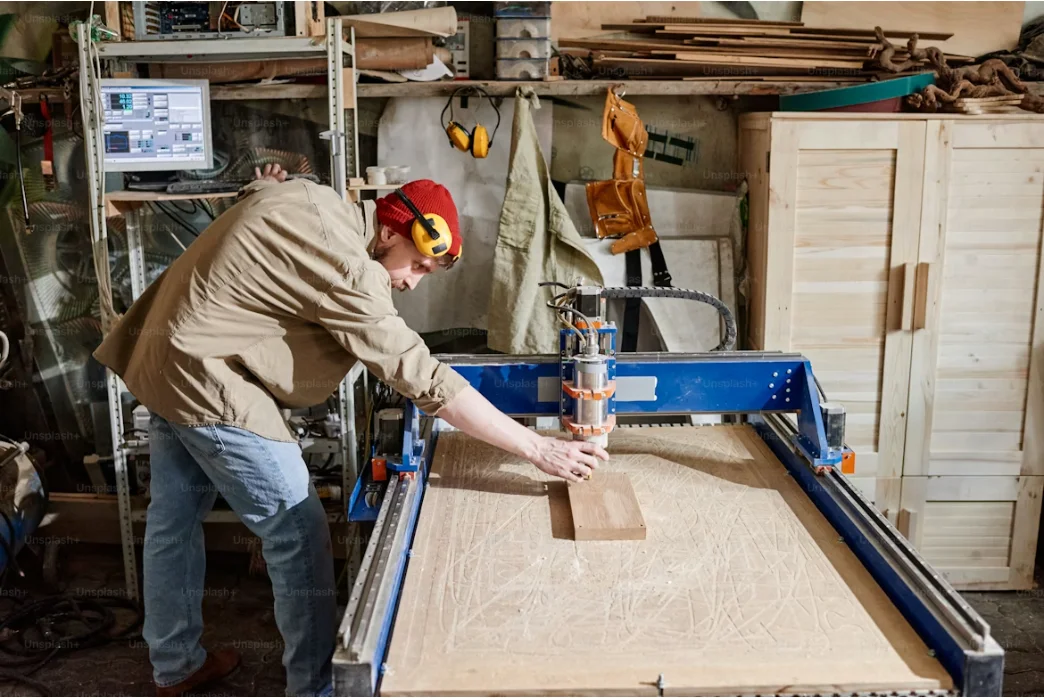
How Thick of Wood Can a CNC Wood Cutting Machine Handle Efficiently
What Factors Determine the Wood Thickness a CNC Machine Can Handle?
When you use a CNC wood cutting machine, folks often wonder about the thickest wood it can slice in one go. The real answer comes down to a few key things. These include tech details and the wood itself. They all affect how well the job gets done and how nice the edges look. A CNC’s ability to cut isn’t only about raw strength. It also involves careful control, solid build, and smart ways to guide the tool.
Machine Power and Specifications
The engine strength and spindle power set the main boundaries first. Units with stronger spindles can take out more wood per cut without stopping. Take a 3 kW spindle, for instance. It manages okay with not-too-hard woods up to about 25 mm in a single pass. On the other hand, big factory 6 kW models can go beyond 50 mm. This depends on how fast you push the material. But even with lots of power, you need to match the pull and spin rate. Otherwise, you might end up with scorched spots or shaky lines.
Type of Cutting Tool Used
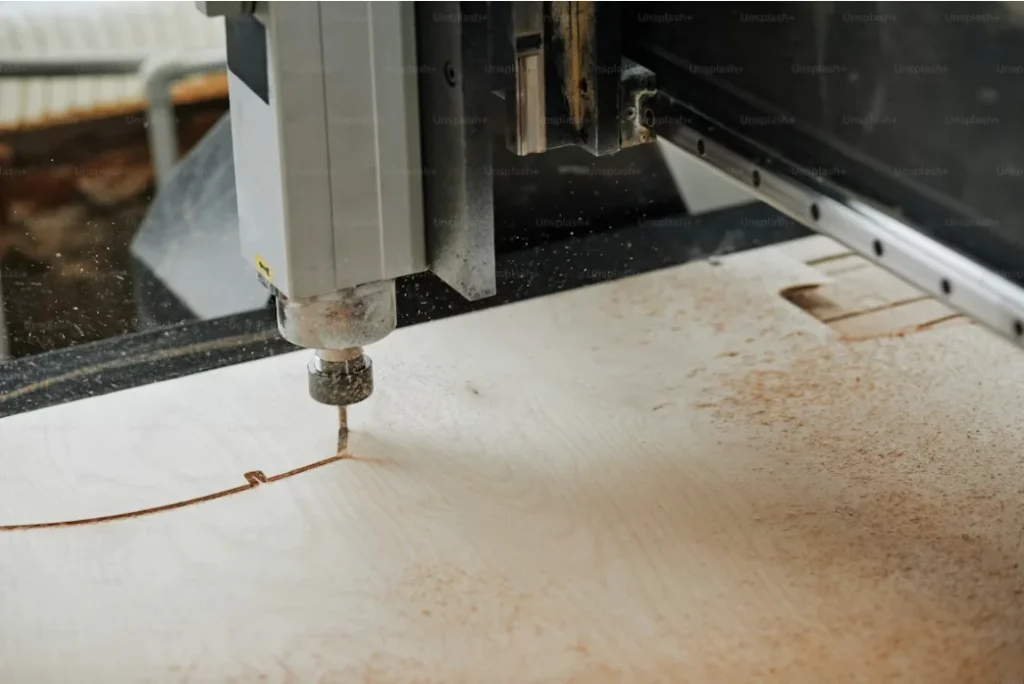
The shape of the tool and any special covering decide how well it clears out the shavings. Basic straight bits do fine on easy woods like pine. Yet they have trouble with tough stuff. Bits that squeeze from both sides work great on plywood or MDF. They cut down on rough edges. Tools with hard tips hold up better on thick tough woods. That’s because heat builds up a lot in deep jobs. I remember once trying a cheap bit on oak—it dulled after just a few passes, which wasted time.
Wood Density and Hardness
Various types of wood handle pressure in their own ways. Softer ones like pine or cedar let you go deeper without issues. Dense kinds such as oak or maple need shallower bites to keep things straight. People often look at the Janka hardness number. It helps pick the right speed and depth. For example, in a shop I visited, they cut cedar twice as deep as maple for the same setup. That small tweak made all the difference in daily output.
How Does CNC Machine Design Affect Cutting Capability?
The way a machine is built matters just as much for dealing with heavy wood. How sturdy it is, how it handles shakes, and its overall strength all shape the final cut. These parts directly change the quality when you go deep.
Gantry Structure and Rigidity
A strong overhead frame cuts down on bending during tough cuts. Machines made from heavy iron or steel keep lines tight. They do better than ones with light metal frames. When you work on thicker pieces, even a little give can leave marks from the tool. Or it might mess up the sizes. Think about a hobbyist setup versus a pro one—the cheap frame wobbles, but the solid one stays put like a rock.
Spindle Speed and Torque
Fast spin helps push out chips quick. But it cuts the pulling power at low turns. For thick wood, you often want slower spins with more pull. This keeps the shavings coming out steady. It avoids dark burns on top. Drives that change frequency let you tweak this mix easily. In practice, I’ve seen operators dial it down for walnut to get smooth results without the usual hassle.
Cooling and Dust Collection Systems
Working on thick wood makes extra heat from rubbing and piles of dust. If you lack good cooling or strong suckers, junk clogs the tool grooves. This slows things and wears out bits faster. Big shops use spray mists or powerful vacuums to keep it running smooth. One time, without dust control, the air got so thick you couldn’t see the workpiece—total mess.
What Role Does Toolpath Strategy Play in Cutting Thick Wood?
You can have top gear, but the plan for the tool’s path decides if you get clean work or wreck the bit midway. Programs that control this spread the push evenly over each step. It’s like mapping a route that avoids bumps.
Importance of Feed Rate and Speed
The feed rate sets how fast the tool moves through the wood compared to its spin. Go too slow, and you burn it. Go too quick, and the bit might snap. Say a rate of 2 m/min fits softwood at 18,000 RPM. But for harder types, you’d change it up. Operators learn this by trial—start conservative, then speed up if it feels right.
Depth of Cut Adjustments
Rather than one big plunge, try several light ones. They ease the load on the tool. And they keep the sides sharp. These steps also stop too much warmth. That’s key for sticky woods that clog when hot. In a real job, like making cabinet doors, multiple passes saved my bits from early retirement.
Toolpath Optimization Techniques
Newer planning software offers paths that change step size based on how the wood fights back. This makes switches between levels smoother. It also cuts down stress on the tool and spin parts. It’s handy for tricky shapes, where a straight plan might fail. Pros swear by it for saving hours on big projects.
How Does Material Type Influence CNC Cutting Efficiency?
The kind of wood you pick changes how well chips come out and how it swells from the work. Some act steady. Others need extra care. It’s not always straightforward—exotic woods can surprise you with their quirks.
Differences Between Softwoods and Hardwoods
Easy woods cut quicker because they’re light. But they can leave fuzzy spots that need sanding later. Tough woods hold shape well. Yet they stress the tools more. This is true especially if the grain twists in the board. From experience, pine flies through, but cherry demands patience and fresh bits.
Impact of Engineered Woods on Cutting Performance
Made-up boards like MDF or plywood stay even. But their glues make them gritty. They wear tools faster than real wood. Still, they give steady cuts with the right squeezers for layers. In furniture making, these are go-tos for flat parts, even if they chew up bits a bit quicker.
Considerations for Exotic or Specialty Woods
Types like teak or rosewood have oils that mess with chip flow and heat spread. Special covers such as TiAlN cut down rubbing on the edges. These help a lot. I once cut rosewood without it—chips stuck everywhere, what a nightmare. With the coating, it went like clockwork.
What Are the Limitations of CNC Machines in Handling Thick Wood?
New tech helps, but there are still hard stops you can’t ignore. Pushing too far can lead to real trouble if you’re not careful.
Potential for Tool Wear and Breakage
Deep work boosts side pushes on the tool stem. This raises the chance of it breaking from shakes. It’s worse if you push speeds hard or the holder isn’t snug. Bits snap fast under that kind of strain—seen it happen in busy shops when folks rush.
Risk of Overheating and Damage
Full deep contact heats up quick in the grooves and spin supports. Too much warmth not only chars the wood but bends machine parts over time. If cooling lacks, it’s a recipe for downtime. Keep an eye on temps; it’s saved many a session from disaster.
Limitations in Precision and Finish Quality
Going deeper makes it tough to hold exact sizes. That’s due to bend in the tool length. Even good mills flex a little under weight. This leads to slanted sides or bumpy finishes. For fine work, you might need extra steps to smooth it out. Precision drops off, but with care, you can get close.
How Can Operators Maximize CNC Efficiency for Thick Wood?
Veteran workers know setup counts more than just power for hard tasks like deep routing. A little prep goes a long way. It’s the difference between a smooth day and frustration.
Selecting Appropriate Tools and Materials
Pick shorter tools when you can. They’re firmer and shake less than long ones. Match the bit size to the chip amount too. Bigger ones handle heat better in long runs. In my view, starting with the right size avoids half the headaches right away.
Implementing Advanced Software Controls
Today’s systems watch spin load as it happens. They slow things if pushback jumps. This guards against breaks in thick jobs. It’s like having a safety net built in. For big batches, this feature alone boosts reliability without constant watching.
Regular Maintenance and Calibration Practices
Accuracy depends on how well the machine runs. Oiled tracks, straight frames, even spins—all key. Check them often to stop small errors from growing. In high-use spots, monthly tweaks keep deep cuts on point. Skip it, and tolerances slip bad.
What Innovations Are Enhancing CNC Capabilities for Thick Wood?
Tech keeps improving with better strong-light mixes, auto helpers, and tougher tools. All this means more work done in wood shops these days. It’s exciting how far it’s come.
Advances in Tool Material Technology
Builders now mix fine carbide grains for better hold-up against wear. Covers like diamond-like carbon last longer in rough spots, common with fake boards. These changes mean fewer swaps and more uptime. Simple upgrades, big gains.
Development of High-Power Spindles
New spins top 10 kW while running even at different speeds. They allow one-pass cuts over 60 mm thick. And they keep edges clear with okay feeds. No more baby steps for everything—saves time on thick slabs.
Integration of AI for Improved Precision
Smart programs read shake data from frame sensors. They adjust paths on the fly during runs. This steps up self-fixing for tricky wood shapes. It’s like the machine learns as it goes. In complex jobs, this cuts errors and waste nicely.
FAQ
Q1: How thick can a typical CNC wood cutting machine cut in one pass?
A: Most everyday machines manage about 20–30 mm per pass based on their strength. Factory ones can top 50 mm with special tools.
Q2: Does higher spindle speed always mean faster cutting?
A: No, not really. Too much spin drops the pull you need for hard woods. Match spin with push rate instead of going all out on one.
Q3: Why do bits burn wood during deep cuts?
A: Warmth comes from rub when shavings don’t clear. Sharp tools with good space help stop burn lines on the sides.
Q4: What’s the best bit type for plywood?
A: Squeezers work top because they tug fibers in from both ways. This stops rough spots on layered faces.
Q5: How often should machines be calibrated for accurate deep cutting?
A: Check monthly if you’re running heavy loads. Small off-sets add up big on thick pieces.