
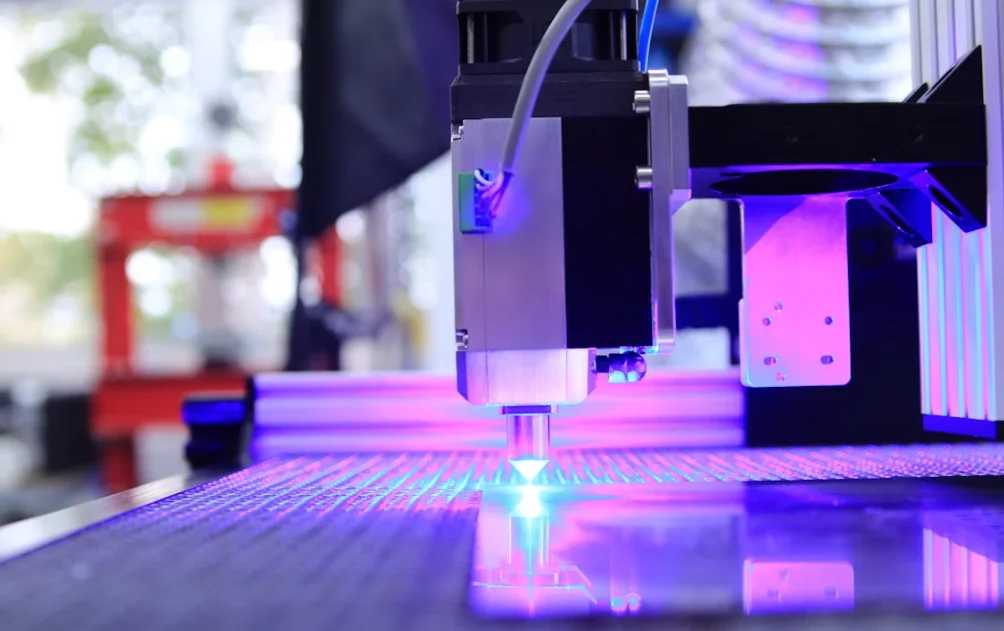
What Makes a Plasma CNC Machine Essential for 2026 Cutting Trends
Why Is Smart Automation Transforming Plasma CNC Cutting in 2026?
As plasma CNC machines grow into smarter setups, automation goes beyond just cutting down on worker effort. It changes the way shops organize, carry out, and watch over each cut. This move to smart automation comes from the need for quicker results, smaller mistakes, and smarter use of supplies. All this happens while dealing with tougher job details. These shifts are not mere improvements. They rewrite the whole way production works. Take a busy metal shop, for instance. They used to lose hours fixing small issues. Now, with these tools, that time turns into more finished pieces.
Predictive AI Systems for Workflow Optimization
AI-based tech gives plasma CNC machines a forward-looking ability that was hard to get before. Systems no longer just respond to problems. They predict them ahead of time. Using live checks and smart upkeep plans, these machines spot odd signs before they turn into big breakdowns. This feature is more than useful. It changes how long machines stay running. In one case, a factory cut downtime by 30% after adding this tech. Workers noticed fewer surprise stops.
A major benefit shows up in changing cut settings on the fly. Smart programs look at material traits, torch condition, and room factors to tweak options without help. Operators skip constant watching. These changes also cut down on people-made errors. Such errors often cause a lot of waste in cut jobs.
Since everything occurs live, work flows become smoother. Tasks that once required extra time for fixes now shift from plan to make with few pauses. It’s like the machine thinks ahead, keeping things steady.
Robotics Integration for Continuous Operation
Linking plasma CNC machines with robot arms creates fully self-running cut areas. These robots handle more than shifting parts. They load supplies, move items around, and even do cuts on several angles when needed. This setup suits shops aiming for round-the-clock work without raising staff costs too much. Picture a night shift running without a soul in sight. That’s the reality for some places now.
When you connect robotics to ERP systems, a tight-knit setup forms. Orders, supplies, and tasks match up just right. This connection eases floor control and adds steady results to varied, small-run jobs.
You also cut wait times between steps. The robot stays prepared right after the prior cut ends. This builds a steady stream that manual work could never match. Over a year, that might add hundreds of extra hours of output.
Human-Machine Interfaces for Enhanced Usability
Smart setups do not have to be tricky. Current plasma CNC machines feature touch panels and voice commands that shorten training time a lot. New users can start working in hours, not weeks. It’s a real help for teams with high turnover.
Adjustable screens show current machine state, piece advances, and tool conditions all together. No jumping between displays or paper lists.
This easy handling leads to fewer slip-ups during starts and quicker fixes from breaks. If a snag hits, built-in tips guide workers through fixes. No need to call experts right away. In practice, this saves shops from small headaches turning big.
How Does Material Versatility Redefine CNC Plasma Cutting?
For a long time, plasma cutting meant mainly steel tasks. Things are shifting quickly. By 2026, top plasma CNC machines handle a wide range of stuff. This includes different types, thicknesses, shapes, and surface needs. Such flexibility makes them key in many fields where change is a must. Shops now switch from thick plates to thin sheets without missing a beat.
Multi-Material Compatibility Across Industries
New plasma setups deal with iron-based metals like carbon steel as well as aluminum mixes or even layered composites with metal insides. This opens chances outside old-school building. Consider airplane parts with tricky forms or car frames that need power and light weight.
With less swapping of tools between runs, time gets saved. It’s normal to process mixed materials one after another on one unit. This is more than handy. It’s vital for small group making where prep time hurts profits. One shop reported doubling their job speed this way.
Building designers gain from it too. Plasma machines now cut fancy panels in copper or brass as smoothly as main beams in basic steel.
Precision Cutting for Thin and Thick Materials
A real check of plasma work is the edge finish. The newest clear-view torches give tiny-level steadiness. Be it 3mm aluminum or cutting through 40mm steel slabs, the result stays even and free of rough spots.
The secret lies in flexible voltage handling. As the unit feels shifts in arc pushback or material bumps, it changes power right away. This holds the cut line steady and stops junk buildup that would call for hand cleaning.
For places doing air system pipes to heavy machine frames, this skill means one tool covers many uses without giving up quality. It’s like having a Swiss Army knife for metal work.
Advanced Nesting Software for Material Efficiency
Nesting programs have improved. They now study part shapes, sheet sizes, and even wood-like patterns to place cuts for best use.
Live changes mean if a worker adds a sudden part, the setup figures it out fast without stopping work. You get higher material savings and lower trash. This works even for weird shapes or half-used sheets. In real jobs, scrap drops by up to 15%.
Some programs also think about torch start and end paths plus bump risks in planning. This care brings closer fits and fewer bad pieces. It’s a small tweak that pays off big in the long run.
What Role Does Modularity Play in Next-Gen Plasma CNC Machines?
By 2026, bendability is not only in programs. It’s part of the machine’s build. Modular plans let you get what fits now and add on later. No need to toss the whole thing. This approach feels practical, especially for shops watching budgets closely.
Scalable Architecture for Future Expansion
Lots of new machines use a main frame that takes extras like slant heads, tube cutters, or drill tools. These parts attach straight to the beam or holder without big changes.
For expanding shops, this lets you begin with a simple flat cutter and grow into a multi-task setup as needs shift. It guards your money while building skills step by step.
Plus, modules switch with little stop time. Upgrades can happen over a weekend. Not during busy days. One user shared how this kept their line running smooth during a big change.
Hybrid Systems Combining Multiple Technologies
Certain setups mix plasma with gas cutting or even laser tips on the same beam. That mixed way cuts the number of machines needed. It adds choice for different tasks.
Think of slicing heavy carbon steel with gas one time. Then flip to laser for detailed stainless bits. All from the same spot.
These mixed units help contract makers a lot. Project rules change often from week to week. Flexibility keeps them ahead.
Simplified Maintenance Through Component Isolation
Modular builds aid more than changes. They ease fixes too. When trouble starts, checks pinpoint it to one part. You swap or mend just that bit. The rest stays fine.
This part-by-part care cuts surprise stops a great deal. It boosts overall gear use across the place.
Fix crews like it. No full breakdowns to chase a loose chain or drive box. It’s straightforward, which saves headaches.
Why Is Eco-Efficiency Becoming a Priority in 2026?
Plasma CNC machines once guzzled power amid dirt and smoke clouds. New builds show a better picture. They match rules and save money goals. Eco-efficiency sits at the heart of design and buying choices now. Shops feel the push from both sides, and it’s paying off in quieter, greener floors.
Low-Energy Plasma Sources for Sustainable Cutting
Fresh switch-based power units use better wave handling to lower energy use without losing cut sharpness. For many places, this means big yearly saves on power costs. Think $5,000 or more for a mid-size shop.
Units that needed heavy three-phase power now run well on less. This opens them to more spots or moving jobs.
Less power also means lower heat on parts. That quietly stretches machine life over years. It’s a quiet win that adds up.
Fume Extraction and Filtration Advancements
Built-in cleaners now grab dust right at the torch tip. Not after it spreads through the air. This close-catch way boosts air cleanness a ton. It makes following rules much simpler.
Smart filters with feelers warn when a swap is truly due. No wasting on early changes or overworking old ones.
Cleaner air does more than meet standards. It cuts sick days from breathing woes and lifts team spirit in busy areas with several machines humming together.
Recyclable Consumables and Circular Design Principles
Torch parts often come recyclable now. Or set for fix-up after use. Shops send back worn bits for remake credits instead of dumping them.
Machines made for easy take-apart help at end-of-life. Parts reuse in other tasks or disposal goes smoother.
Loop-back ideas grow in metal work. Not for show. They make sense in tight-profit scenes today. One firm cut waste costs by 20% this way.
How Are Compact Plasma CNC Machines Empowering Small Shops?
Not all shops have room or cash for huge setups. Small plasma CNC machines fill that gap. They bring strong work to tight spaces without skimping. High-level skills reach garage-sized spots now. It’s empowering for starters or side hustles.
Space-Saving Designs Without Performance Compromise
These units build narrow but strong. Extra supports stop shakes during cuts. Strong-turn motors keep sharp work even in small forms.
Some roll on wheels or bases for easy moves between spots or sites. Great for on-the-go builders or fix crews.
With better wire paths and close beam builds, space shrinks. But the key cut area stays full-sized. No trade-offs where it matters.
Plug-and-Cut Systems With Minimal Setup Time
Basic units arrive mostly put together. Or need just quick checks. Perfect for folks wanting to start fast, not spend weeks building.
Self-level beams and step-by-step start guides make early cuts spot-on. Skip hiring outside help to launch.
This simple start fits quick model making. Where speed tops perfect every time. Shops get ideas to metal in days.
Cost Efficiency With Scalable Features
Many small units use same parts as big ones. From torch kits to control panels. This cuts stock needs and eases part hunts.
You begin small. But keep paths to grow: larger beds, finer torches, better lay programs later. All as add-ons, not full swaps.
For cash-tight shops, this turns machines into growth helpers. Not risky buys. It’s a smart step forward.
What Makes Vision-Guided Cutting a Game-Changer?
Adding live pictures to plasma CNC flows might be one of the handiest big changes today. Vision-guided tools do not just see. They act. Camera feeds turn into fixes during each torch pass. This feels like giving the machine eyes, and it spots things humans might miss.
Real-Time Imaging for Dynamic Path Adjustment
Cameras near the torch check material sides and spots before cuts start. They keep checking as work goes on.
If bends, off-positions, or bumpy spots appear, programs shift paths right then. No stops or waste parts. Output stays on track with uneven supplies. In welding prep, this cuts errors by half for some teams.
Mark lines on pieces get auto-spotted for place checks. Setup guesswork vanishes almost fully.
Enhanced Accuracy in Complex Geometries
Light sensors catch tiny design bits that old trackers skip. Specially in bends or small turns where tiny moves count big.
This sharpness builds trust. You cut not just forms but true-to-plan shapes. It hits tight measure needs from plane or health clients.
More right cuts mean less after-work. Save hours that went to sanding or fixing by hand. It’s efficient, plain and simple.
Seamless Integration With CAD/CAM Systems
Vision tools now pull straight from CAD/CAM files. They blend camera data into cut codes auto. No hand shifts or mark setups.
Auto-spot of pieces speeds job switches. Key for packed parts on leftovers or reused sheets with wild turns.
It builds a flow from screen to metal quicker. Fewer steps, fewer shocks. Overall, it smooths the whole process.
FAQ
Q1: How does predictive AI improve plasma CNC performance?
A: Predictive AI identifies potential failures early through real-time diagnostics and adjusts cutting parameters dynamically to reduce errors and increase uptime.
Q2: Can compact plasma CNC machines match industrial-grade quality?
A: Yes, compact machines use high-torque servos and rigid frames that maintain precision while fitting into small workspaces or mobile setups.
Q3: What materials can modern plasma cutters handle?
A: Today’s systems cut ferrous metals like steel as well as non-ferrous materials such as aluminum, copper, and even composite panels efficiently.
Q4: How do hybrid plasma systems benefit job shops?
A: Hybrid setups combining plasma with laser or oxy-fuel tools reduce equipment needs while offering flexibility across diverse job types on one platform.
Q5: Why is eco-efficiency a focus in new plasma designs?
A: Energy-efficient power supplies lower electricity usage while smart fume filters enhance air quality—both reducing costs and meeting environmental regulations.