
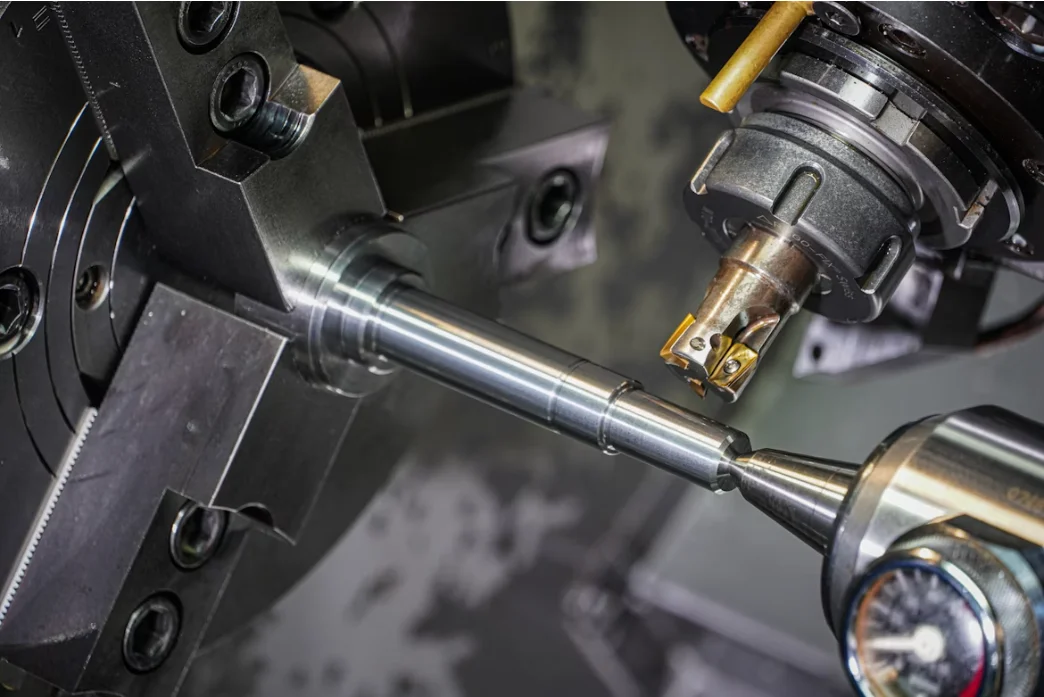
What Makes CNC Lathe Machine a Game Changer in Evolving Lathe Technology
What Is Driving the Shift from Traditional to CNC Lathe Machines?
The move from old-style manual lathes to CNC lathe machines goes beyond a simple tech fad. It ties directly to better output, sharper accuracy, and keeping up in tough fields. Think about crafting tricky airplane pieces or cranking out tons of car parts. The perks of CNC automation stand out clear as day. In my view, it’s like upgrading from a bicycle to a sports car in the workshop—everything speeds up and gets more reliable.
Precision and Repeatability in Complex Machining
CNC lathe machines deliver top-notch exactness for detailed shapes and narrow limits. Old lathes need expert hands and loads of practice to reach tiny measurements in micrometers. But even so, steady results can slip away. CNC setups use computer orders to guide each step. They make matching parts over and over, even after thousands of runs. No fretting over tool shifts or tiredness messing things up. The machine just sticks to the script. For instance, in a busy shop, this means fewer rejects and happier clients who count on spot-on specs every time.
Automation and Reduced Human Intervention
Hand-operated machining calls for full focus all the time. One slip, and you toss a whole piece. CNC lathes cut those chances with auto controls that stick to planned steps. So, you can let them work through the night or lunch hours. This leads to round-the-clock making with lights off. In the end, errors drop, stops shorten, and worker costs ease up. Picture a factory floor humming along without constant watching—it’s a game-changer for small teams handling big orders.
Integration with Digital Manufacturing Systems
Today’s CNC lathe machines link up with bigger computer setups. They don’t stand alone. You can feed them plans straight from CAD/CAM tools. Test paths on screen before touching metal. Tweak things right away, no need for wrenches. This hookup speeds up test builds and smooths the jump from idea to finished goods. It’s extra handy in spots where quick launch counts big. Take electronics firms—they shave weeks off product rolls thanks to this flow.
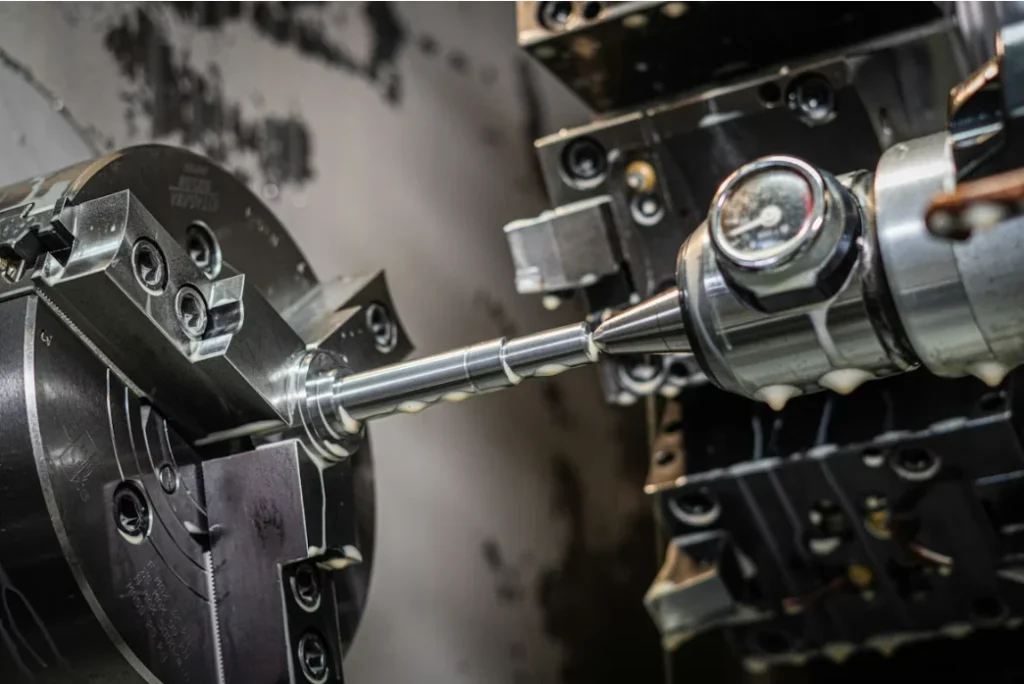
How Do CNC Lathe Machines Enhance Operational Efficiency?
Quick pace and steady work mark today’s making scene. CNC lathe machines boost both by smoothing tasks that once dragged on for hours or days. They turn chaos into order, bit by bit.
Faster Setup and Tool Change Capabilities
Getting a regular lathe ready for a fresh task often means swapping tools often and lining up carefully. CNC units make it easier with ready tools and auto switchers. Load a holder with a bunch of tools, each set for size and position. When the plan needs a change—from basic turning to threading—it flips fast. This slashes wait times a lot. In real shops, I’ve seen setups drop from an hour to just minutes, keeping the line moving without hiccups.
Consistent Quality Across High-Volume Production
If a buyer wants 10,000 exact matches, a tiny 0.01mm off can spell trouble. CNC systems dodge that by sticking tight to computer guides. After checking the first one, the others match unless something breaks. Sensors spot issues early, before waste piles up. This holds true in auto plants churning out engine bits—quality stays rock-solid run after run.
Real-Time Monitoring and Diagnostics Features
Newer CNC lathes pack sensors that watch shakes, spin loads, heat, and such. If trouble brews—like tool rubbing or odd vibes—you catch it before the part goes bad. Some even send warnings for fixes ahead of time. This saves hours and scraps. For example, in a medical shop, these alerts stopped a full batch loss once, just by flagging a worn bit early.
What Technological Innovations Distinguish Modern CNC Lathes?
Tech keeps pushing ahead. Each fresh batch of CNC lathes adds bits that lift work while easing jobs for folks running them. It’s exciting to see how these changes play out in daily use.
Multi-Axis Machining Capabilities
Simple CNC lathes work on two lines: X and Z. But now, many add Y-axis slides, C-axis turns, or even full 5-axis handling. These extra paths let you cut on various sides at once. Perfect for tough shapes like fan blades or bone tools. In aerospace, this means one setup for a whole complex part, cutting steps and errors.
Live Tooling and Sub-Spindle Integration
Live tooling opens up more than just spinning work. You drill spots, slot keys, or do light grinding right there, no part shift needed. Sub-spindles handle the other end without starting over. It doubles output in a single go. Shops love this for parts like valves—finish both sides fast, ready to ship sooner.
Adaptive Control Systems and AI Algorithms
Top CNC lathes use smart controls that tweak speeds or feeds based on what’s happening. If stuff toughens or a tool tires, it shifts smooth. AI bits fine-tune runs and smooth outs without a hand. Old gear couldn’t dream of that. Interestingly, in heavy steel work, these saves 15-20% time per piece, based on shop logs I’ve heard about.
Why Are CNC Swiss-Type Lathes Gaining Popularity?
Swiss-type CNC lathes pop up more in tiny tech and health gear making. And for solid reasons—they shine where others falter.
Superior Performance in Small, Precision Parts Production
These machines focus on thin round pieces with super tight fits. In air travel or doctor tools, where bits under 10mm need micron-level exactness, Swiss-types often win out. No other setup matches for such fine work. Medical firms swear by them for stents or implants—tiny but vital.
Synchronized Guide Bushing Support System
Their edge comes from feeding the piece through a steady guide instead of spinning it fixed. This holds long thin stock near the cutter always. It cuts wobbles and shakes on deep slices. Result? Cleaner cuts with less force. In watchmaking, this keeps parts straight as an arrow, even on 100mm lengths.
Efficient Material Utilization with Bar Feeders
Swiss-type lathes team with auto bar loaders that push stock in non-stop. This ramps speed and trims waste better than grabbing chunks. Bar stock goes further this way. For high-run jobs, it means less scrap bins full, more profit on the floor.
In What Ways Do CNC Lathes Improve Thread Machining Processes?
Cutting threads demands spot-on work. CNC steps in with clear wins that make it smoother and stronger.
High-Speed Thread Cutting with Minimal Tool Wear
With digital grips on spin and push, threads form at best settings for each stuff. Cleaner lines come with less grind on cutters, so they last longer. In pipe fitting shops, this means tools handle twice the jobs before swap-outs.
Customizable Thread Profiles Through Software Programming
Switch from standard to odd shapes? Just edit the lines. Programs let you set any spacing or depth, no gear tweaks or old cams. Quick and simple. For custom bolts in machinery, this flexibility saves days of fiddling.
Synchronization Between Spindle Rotation and Tool Movement
Digital links make sure turns match tool slides just right. Even on hard stuff like titanium, multi-cuts line up perfect. No spacing slips. Threads end up strong for seals or heavy loads. Defense makers use this for reliable fittings that hold under pressure.
How Do CNC Lathe Machines Impact Skilled Labor Requirements?
As gear gets brainier, people’s jobs shift too. But hands-on work sticks around in new forms. It’s adapting, not vanishing.
Shift from Manual Operation to Programming Expertise
No more twisting knobs nonstop. Now, workers learn code reads, command tweaks, and software chats. Skills lean more to screens than cranks. This change opens doors, though it takes fresh training.
Reduced Dependence on Physical Dexterity Skills
Auto moves handle the fine bits, so less need for steady hands like in old days. More folks can jump into exact making without top-notch touch. It’s inclusive, pulling in talent from varied spots.
Focus on Process Optimization and Troubleshooting Skills
Now, watch numbers, check run times, and tweak for better flow. Fixes lean on checks and reads, not just gut feels or taps. Logic guides the way. In a real shift, operators spot bottlenecks via data, fixing them before bosses notice.
What Should Be Considered When Choosing a CNC Lathe Machine Brand?
Picking a CNC lathe costs big—in cash and daily grind. So, dig deep before buying. It’s not just specs; it’s fit for your world.
Compatibility with Specific Industry Applications
Not every lathe suits all. For rare metals in planes or mini bits in health, you need extras like strong cool flows or tiny sense loops. Match it to your needs, or regret later. Aerospace teams pick ones that handle heat without flinching.
Availability of After-Sales Support and Spare Parts
Top machines break too. Brands with wide help nets and easy bits keep you running. Downtime hurts bad when parts wait weeks. Quick service means back to work fast, no lost shifts.
Brand Reputation for Durability and Innovation
Go for names that build tough for rough days and add fresh tricks. Established ones like EASTERN CNC prove solid in hard spots. Their gear lasts years under load, with updates keeping it current.
FAQ
Q1: What industries benefit most from CNC lathe machines?
A: Aerospace, automotive, medical device manufacturing, electronics, and defense sectors rely heavily on CNC lathes due to their need for high precision and repeatability across complex geometries. These fields push limits daily, and CNC delivers without fail.
Q2: Can CNC lathes replace all manual machining?
A: Not entirely. While they dominate high-volume or high-precision production, manual lathes still have value in prototyping or low-volume jobs where setup time outweighs automation benefits. Sometimes, the old ways feel right for one-offs.
Q3: How long does it take to train an operator on a CNC lathe machine?
A: Depending on prior experience, basic operation can be learned in weeks; however, mastering G-code programming and diagnostics may take several months or even years. Hands-on practice seals it, like riding a bike after book lessons.
Q4: Are Swiss-type lathes suitable for large-diameter parts?
A: No, Swiss-type lathes are optimized for small-diameter precision workpieces typically under 32mm; they are inefficient or impractical for larger components. Stick to them for the small stuff—they excel there.
Q5: Do all CNC lathes come with live tooling?
A: No. Live tooling is available only on specific models with driven tool capabilities; basic 2-axis machines lack this feature unless explicitly configured. Check the build sheet to avoid surprises.