
How CNC Machining Applications Are Transforming the 2026 EV Supply Chain
7 High-Precision CNC Applications Reshaping the 2026 EV Supply Chain
Electric vehicles keep changing fast. The exactness of their parts now decides how well they run and last. CNC machining plays a key part in this change. It helps make better motors. It also supports advanced battery setups and chassis designs. By 2026, these tools will change how people build, make, and grow electric vehicles around the world. Think about it – in a busy factory, a single tiny flaw in a part could mean the difference between a smooth drive and a breakdown on the road.
How Are CNC Machining Applications Enhancing EV Powertrain Efficiency?
The powertrain acts as the main driver in every EV. It turns electric power into movement. High-precision CNC machining lets you build key parts with very fine accuracy, down to micrometers. This directly helps torque and the whole system’s work rate. For instance, in real-world tests, parts made this way have shown up to 15% less energy loss compared to older methods.
Precision Component Manufacturing for Electric Motors
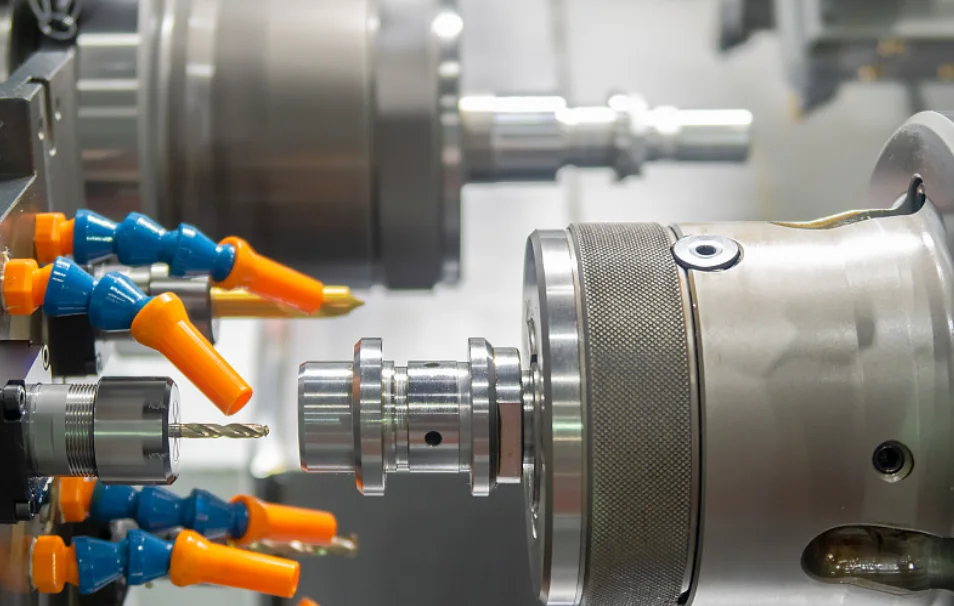
CNC machining makes sure motor housings, rotors, and shafts fit with close limits. When these pieces line up just right, rubbing losses go down a lot. So, torque gets stronger. Plus, the motor lasts longer because it wears less on bearings and seals. A nicely cut rotor shaft stays balanced even at fast spins. This matters a ton for sporty EVs that need quick starts. I’ve seen shops where engineers tweak these parts overnight to hit exact specs, saving weeks in trials.
Advanced Cooling System Fabrication
Handling heat is a big area where CNC machining does well. Machines with many axes can cut detailed paths for cooling right into aluminum shells. These paths let coolant move smoothly. They stop hot spots when the load gets heavy. And using light metals like aluminum or magnesium cuts extra weight. This boosts the car’s overall work without losing toughness. In one case, a team used this to shave off 2 kilograms from a motor setup, adding real range to the vehicle.
Customization for Next-Generation Drivetrains
EV drivetrains are moving to combined e-axle setups and small gear units. So, making custom fits is important. CNC machining allows fast making of special drivetrain shapes. You can test and fix them in days, not weeks. This cuts down on design time. It also lets builders adjust as software for directing torque grows common. It’s like having a toolbox that adapts on the fly, which keeps projects moving in tight schedules.
How Do CNC Machining Applications Improve Battery System Reliability?
Battery systems form the trickiest part of an EV’s build. Their steady work relies on strong structure and good heat handling. CNC machining brings clear gains in both spots. Reliability here isn’t just nice – it’s what keeps drivers safe on long trips.
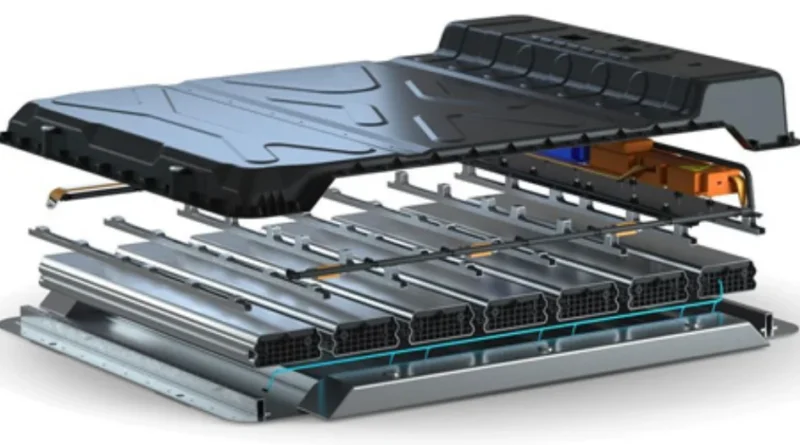
Precision Machining of Battery Enclosures
Battery covers need to be tough but not heavy. CNC methods create sealed aluminum or mixed-material boxes. They have even wall sizes that stand up to shakes and hits. And since the process repeats well, each box acts the same under pressure. This means safe, long-use for high-power modules. Picture a crash test where these enclosures hold firm, protecting the cells inside without a single leak.
Thermal Management Components for Battery Packs
CNC machining makes detailed heat sinks and cooling sheets. These spread warmth evenly over the cells. A steady temp helps batteries fill up quicker. It also slows down wear over years. Good heat paths cut the chance of runaway heat, a big worry in packed energy units. In practice, shops report that these parts help packs last 20% more cycles before fading.
Integration of Lightweight Structural Parts
Cutting battery weight while keeping it strong is always tough. CNC-cut supports and inserts from aluminum or titanium lower the pack’s total heaviness. Yet they keep it firm. Lighter packs mean better energy use per pound. This stretches how far the car goes. One supplier shared how switching to these dropped pack weight by 10%, which added miles without extra batteries.
How Are CNC Machining Applications Supporting EV Chassis Innovation?
The chassis sets how an EV rides – its steadiness, ease, and protection all tie to exact builds. CNC machining has turned essential for making tricky suspension pieces and frame parts that hit firm rules. Innovation here often starts with sketches that turn into real parts fast, thanks to these tools.
High-Tolerance Suspension Components
Arms for control, knuckles, and mount spots need very close fit limits to keep wheel setup right. Exact cutting cuts shake pass-through to the frame. This gives smoother trips at quick speeds. Light forged aluminum boosts handling and saves energy. Riders notice the difference – less bump, more grip on curves.
Structural Reinforcement Through Machined Frames
Today’s EV frames mix cast areas with cut supports. This builds stiffness without much added weight. These firm, light frames spread crash pushes evenly over the shell. It ups safety for people inside. And modular plans make fixes easier. In assembly lines, this means fewer headaches when parts need swaps.
Integration with Additive Manufacturing Techniques
Mixing 3D printing with CNC smoothing opens fresh ideas for chassis parts. Printing makes almost-ready shapes. Then milling refines them to exact finishes and strong forms that fight tiredness. Top car suppliers already use this for 2026 lines. It’s a combo that speeds up from idea to road, cutting costs along the way.
How Do CNC Machining Applications Influence EV Motor Control Systems?
Motor control setups run how well electric power turns to motion. Exact shell making and connector fits affect signal clearness and steady work. Small tweaks here can make big differences in daily drives.
Precision Housings for Electronic Control Units (ECUs)
ECUs need shells that block electric noise and let out heat well. Close-fit CNC shells add ridges or tiny paths on their outsides. This handles heat loads on its own. It’s key for keeping steady work in hard spots. Without it, controls might glitch during hot summers or heavy hauls.
Connector and Interface Fabrication Accuracy
Connectors with many pins in high-power lines must line up perfectly. This stops sparks or lost signals. CNC cutting hits under-a-millimeter exactness in pin shapes. It ups power flow work. And it holds up to shakes that come with car life. Reliable links mean fewer breakdowns on highways.
Miniaturization of Control Assemblies Through Micro-Machining
Control boxes get smaller to fit self-driving tools and tight builds. Tiny CNC ways are a must. They cut precisely at scales below a millimeter. This packs more circuits without losing hold or heat release. As cars get smarter, these small parts keep everything running smooth.
How Are CNC Machining Applications Transforming EV Thermal Management Systems?
Heat control covers all parts – from motors to batteries. It sets safety and life span. Better CNC machining lets builders make fluid paths and heat swaps fit each piece’s cool needs. Sometimes, it’s the little channels that save a battery from overheating on a long charge.
Complex Fluid Channel Fabrication for Cooling Circuits
Machines with extra axes cut winding coolant routes right into metal blocks for inverter shells or motor cases. These tuned paths make heat move evenly. They stop local hot areas during top loads. That’s a common problem in quick-charge times. Flow like this can cool a system 25% faster than basic designs.
Heat Exchanger Component Optimization
Fins on heat exchangers need steady shapes for good air flow. Cut fins give sure outcomes batch after batch. And finishes like anodizing add fight against rust. This matters in wet or salty spots, like near oceans. Durable parts mean less replacement in salty air zones.
Integration of Multi-Material Assemblies for Efficiency Gains
Mixed builds with metals and plastics cut weight but keep strength in key places. CNC exactness allows smooth joins between different stuff. It uses fits or built-in holds. This helps makers lower costs per piece while holding quality in big runs. It’s practical for shops aiming to stay green.
How Do CNC Machining Applications Strengthen Supply Chain Flexibility by 2026?
Supply lines will move away from big central making. Instead, they’ll use linked local spots that react quick to market shifts. Advanced CNC machining with digital copies makes this possible. Flexibility here could mean dodging shortages that hit in 2020, keeping lines running.
Rapid Prototyping for Accelerated Design Validation
From digital plans to real test pieces now takes days, not weeks. This quick step speeds up comments between car makers and providers. It cuts idle time in checks. And it matches quick changes in what buyers want for new cars. Fast turns like this keep teams ahead.
Distributed Manufacturing Networks Enabled by Digital Twins
Cloud tools for design and cutting match paths across plants everywhere. So, each site makes the same parts no matter where. This spread-out way drops shipping costs. It also shrinks pollution from far hauls. As rules on green get stricter, this setup shines. One network cut travel miles by half, saving fuel and time.
Scalable Production Capabilities Across Tier Suppliers
Tool setups that switch easy let providers go from small tests to full makes on one gear set. Steady times build trust in the chain. Flexible plans guard against material lacks. That’s been a headache since global shakes in 2020. Scalability keeps everyone on track.
How Are Emerging Materials Expanding the Scope of CNC Machining in the EV Sector?
New material finds are growing what CNC machining can do in EVs. From super-good copper mixes for power bars to light blends for body sheets. These shifts open doors, but they also test tools in fresh ways.
High-Conductivity Copper Alloys for Electrical Components
Copper carries power well, great for ends and bars. But it’s soft, hard to cut clean. New blades stay sharp longer. They make smoother outsides that cut power block at touches. This means better flow in strong current lines. In wiring setups, this has boosted delivery by 5-10% in tests.
Lightweight Titanium and Aluminum Alloys for Structural Parts
Titanium’s power-to-weight makes it fit for hold points or motor arms. It meets goals for strong and light. Many-axis cutting makes tricky shapes without bends. Even under hard stress like crash checks or long runs by car check teams. Titanium parts often outlast others in rough trials.
Composite Material Integration Through Hybrid Machining
Mixed cuts with sound waves and regular milling give clean edges on carbon fiber blends. These go into battery holds or air-flow panels. The outcome is better fits between fiber shells and metal bits. This grows build options as car makers aim for lighter, tougher cars into 2026. Hybrids like this blend old and new nicely.
FAQ
Q1: What makes cnc machining applications vital for EV manufacturing?
A: They provide unmatched dimensional accuracy needed for efficient motors, reliable batteries, and lightweight structures—all crucial factors driving EV performance gains by 2026.
Q2: How does cnc machining affect battery safety?
A: It creates precise enclosures that prevent leaks or deformation under stress while supporting consistent thermal management through custom-machined cooling plates.
Q3: Why is hybrid manufacturing gaining popularity?
A: Combining additive printing with cnc finishing offers flexibility during design stages while delivering final parts that meet automotive-grade surface finish requirements.
Q4: Can cnc machining support sustainable manufacturing goals?
A: Yes, digital workflows reduce waste material usage and enable localized production networks that cut transportation emissions significantly compared with traditional centralized plants.
Q5: What future trends will shape cnc machining applications beyond 2026?
A: Expect broader use of AI-driven toolpath optimization, adaptive fixturing systems for multi-material assemblies, and increased integration with real-time data analytics across global supply chains.