
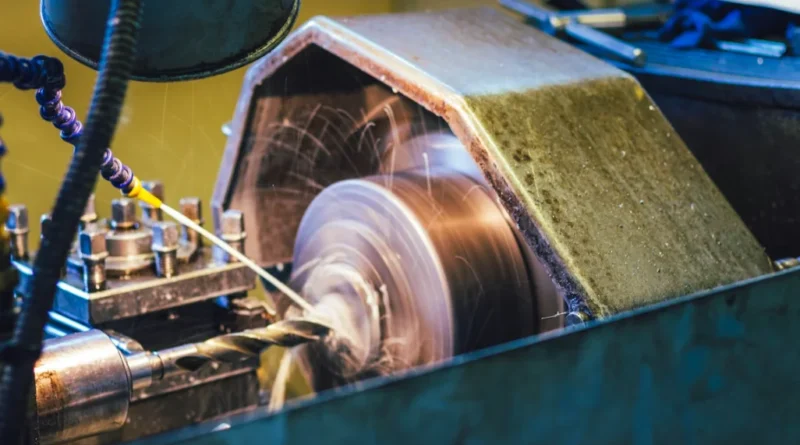
How cnc Machining Cost Factors Influence The Green Premium In Sustainable Manufacturing 2026
The “Green Premium” in CNC: Is Sustainable Manufacturing Cost-Effective in 2026?
By 2026, discussions on green practices in factories have changed. They went from a sense of duty to a smart money plan. The term “green premium” refers to the added price for using friendly materials, clean power, and setups to cut waste. No one brushes it off as something fancy anymore. In CNC machining, accuracy joins with lots of power use. So this talk gets pretty pointed. The main puzzle is if green methods really cut down all the costs in CNC machining. Or do they just act as a costly mark of goodness.
Think about it this way. Factories face pressure from all sides now. Governments push rules. Customers want proof of care for the planet. And bosses see the bottom line. It’s not just nice to be green. It might pay off in the end.
What Drives the Green Premium in CNC Machining?
The green premium in CNC machining arises from various spots. These include taking on renewable energy. Also eco-materials. And closed-loop systems for coolant and waste reuse. Each one follows its own price trend. Contracts for renewable power can steady costs over years. But they need big spending at the start for building things. Recyclable aluminum alloys or coolants that break down in nature usually run higher per piece. That’s compared to usual choices. However, plenty of factory folks note that the full cost per part falls. This happens as trash lessens. And stop times shorten too.
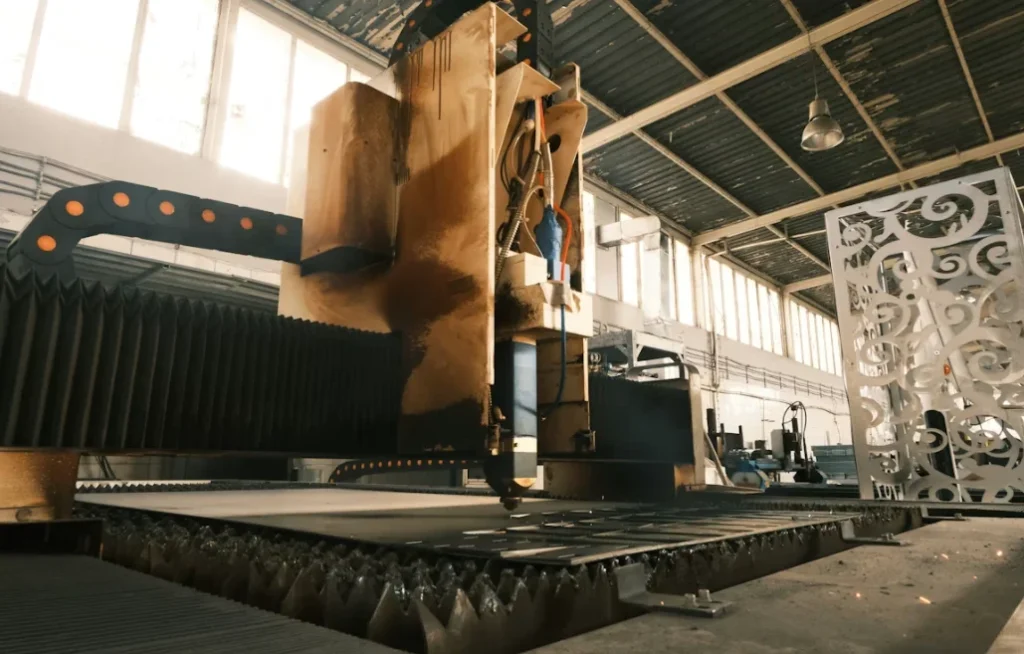
CNC tasks demand a good deal of energy right from the start. Take a five-axis milling machine. If it runs without breaks, it might pull in several kilowatt-hours every hour. This varies with spindle speed. It also depends on material toughness. Changing to electricity from solar or wind helps balance out carbon output. But it calls for spending on setups or extra fees for green plans. Small and medium shops feel this green premium the strongest there.
I’ve heard from shop owners who tried this switch. One in Texas added solar panels. At first, the bill stung. But after a year, their power costs evened out. Plus, they got local tax breaks. It’s those small stories that show it’s doable.
Material Selection and Lifecycle Costs
Choosing materials stays as a top CNC machining cost factor. Green metals such as recycled titanium or steel with low carbon bring steeper buying prices. But they lower eco-related taxes. They also cut fees for following rules in areas that demand carbon reports. Come 2026, suppliers provide more certified materials with low gas output. These include tracking records right in their online supply links.
A look at the whole life of items reveals something. Eco-materials might tack on 5–10% to the price of basic supplies. Yet they boost how long tools last. This comes from purer metal work and steadier build. Across thousands of runs, the gains build up. They do so in a steady, real manner.
For example, a parts maker in Ohio switched to recycled titanium for engine bits. The upfront cost rose by 7%. But their tools lasted 25% longer. Over 5000 parts, that saved them thousands. And the parts held up better in tests. It’s like the material paid for itself through fewer headaches.
Energy Efficiency Upgrades
Updates for better energy use include variable frequency drives (VFDs). They also cover braking that regains power on spindles. And modes that smartly handle idle times. These changes alter how shops see daily costs. Such upgrades can cut power draw by as much as 20%. Fitting them in does bump the starting spend. Still, it right away trims a big CNC machining cost factor. That’s the power used to make each part.
Now, certain plants add scheduling systems run by AI. These match machine work to times of less grid pull. Or when more renewable power is around. The job isn’t showy. But it keeps money in pockets. And it lowers gas output as days go by.
Picture a factory in Germany. They synced machines to run during off-peak hours. Power bills dropped 18%. And they avoided fines for high usage. Simple tweaks like that make a difference without big overhauls.
How Do Sustainable Practices Affect Production Economics?
Being sustainable used to spell slower making or bigger extra costs. That’s not always the fact today. Current CNC systems come with solid servo motors. They use upkeep plans based on data. These cut down on waste. And they keep the flow of work steady.
One key change is toward upkeep that spots issues ahead. It relies on IoT sensors. Machines catch odd shakes soon enough. This stops major tool breaks. Scrap rates fall by up to 15%. So it saves on supplies. It also shortens time for fixes. That’s yet another tucked-away CNC machining cost factor.
In practice, a Midwest shop put in these sensors last year. Their scrap went from 10% to 4%. Workers spent less time on redo jobs. Output stayed the same. But profits climbed a bit. These real shifts show green isn’t just buzz.
Waste Reduction and Coolant Recycling
Managing coolant was once a sloppy side note. Today, it’s a green measure linked straight to making money. Filtration systems in a loop reuse up to 90% of cutting liquids. This slashes costs for tossing them out. Machines stay cleaner too. So service gaps stretch longer.
Over in some European spots, government cash back pays for part of these setups. The reason? They ease factory water waste burdens. It’s an uncommon spot where green ways help fund themselves.
Take a UK-based tool maker. They added a recycling unit for coolants. Disposal fees cut by 60%. And machine cleanings dropped to every six months from three. Annual savings hit $25,000. Plus, less mess means happier crews. Small details like that add up.
Automation and Carbon Accounting
Automation works in quiet ways on green money side. Robot systems for handling cut wait times on machines. This happens between tool swaps or part changes. Spindle use rates climb from 70% to above 85%. With higher use, you need less machines for the same work amount. It shrinks power needs. And it slows how capital value drops over time.
Software for carbon tracking fits into ERP systems. It lets you follow gas output per batch of parts. This clear sight draws in rule makers. It also pulls clients who check green numbers when picking sellers. By 2026, this trend grows in plane and health fields.
One aerospace supplier integrated this software. They tracked batches down to the gram of carbon. Clients loved the reports. It landed them a big contract extension. Tracking isn’t just paperwork. It opens doors.
Are Customers Willing To Pay for Green CNC Parts?
This spot is where plans hit actual sales ground. Certain buyers focus on EV building or health tools. They already call for parts with no net carbon in buys. For those folks, a small added cost of 3–7% matches their company green aims.
Still, markets for everyday goods stay keen on low prices. The tough part here is sharing worth past the quick per-unit cost. That includes better steady work. Shorter wait times from good planning. And good name gains from teaming with low-gas providers.
Polls point out that more than half of business buyers now look at green work for long deals. This holds even if quick bids vary a touch in price. It points to the green premium becoming a standard want. Not some extra pick.
Sometimes, buyers surprise you. A medical firm paid 5% more for green parts. Why? Their own green score improved. It helped them win awards. These side benefits sneak in.
Certification as Market Leverage
Badges like ISO 14001 or seals for no-net-carbon making work as trust marks. They back small price gaps. These show real effort. Not fuzzy green talk. That’s a key split for factory buyers checking rival bids.
In 2026, online platforms for tracking make verifying these badges simpler. They use QR codes on docs tied right to part sends or bills.
A parts exporter used QR links for ISO proof. Buyers scanned and trusted instantly. Orders rose 15%. It’s like a digital handshake that builds loyalty.
Can Sustainable Manufacturing Lower Total Cost Over Time?
Look at it over a five-year stretch, not just short money checks. Green CNC work often beats old ways in money terms. Less power draw. Fewer tossed parts. Shorter fix stops. All these build into clear savings. They top starting extras in two to three years for most average plants.
Here’s a hands-on case. A shop took up mixed coolant reuse. They paired it with sensors for oil checks. Yearly savings topped $40,000. Chemical buys fell by near half. This isn’t just ideas. It’s better cash from smart work. Not from beliefs.
The real trick is seeing green as part of the daily grind. Not a side project. Bake it into every CNC machining cost factor. From tool picks to delivery paths.
And hey, it’s not all smooth. Some shops hit snags with new systems. But tweaking them fixed issues. Over time, the wins outweigh the bumps. Like in any trade, patience pays.
To stretch this out, consider the bigger picture. Factories that go green often find unexpected perks. Workers feel prouder. Communities notice. And in tight markets, it sets you apart. One veteran machinist shared how his shop’s green switch drew young talent. They wanted to work somewhere that cared. That’s a cost saver too—less turnover.
Numbers back it up. A study from a trade group showed 60% of green adopters saw costs drop after 18 months. Not all, but most. Variables like location matter. Coastal areas with wind power incentives fare better than inland spots. Still, the trend holds.
Wrapping up the thought, sustainable steps in CNC aren’t a quick fix. They build slowly. But the payoff? Solid and lasting. Shops that ignore it risk falling behind. Those that embrace it often lead the pack.
FAQ
Q1: What are the main cnc machining cost factors affected by sustainability?
A: Energy consumption, material sourcing (especially recycled alloys), coolant management systems, waste disposal fees, and machine utilization rates are all influenced by sustainable practices.
Q2: Does switching to renewable energy significantly increase production costs?
A: Initially yes due to infrastructure setup or tariff premiums; however long-term stability in electricity pricing often offsets those expenses within several years of operation.
Q3: Are eco-friendly materials harder to machine?
A: Some recycled metals have slightly different hardness profiles requiring adjusted feeds and speeds but modern tooling compensates effectively without major productivity loss.
Q4: How soon can a manufacturer recover investments made in green technology?
A: Most mid-sized CNC shops report breakeven between two and four years depending on scale of adoption and local energy incentives available in their region.
Q5: Is customer demand strong enough to justify sustainable manufacturing?
A: Increasingly yes—especially among sectors bound by ESG reporting mandates where suppliers’ environmental performance affects contract eligibility directly.