
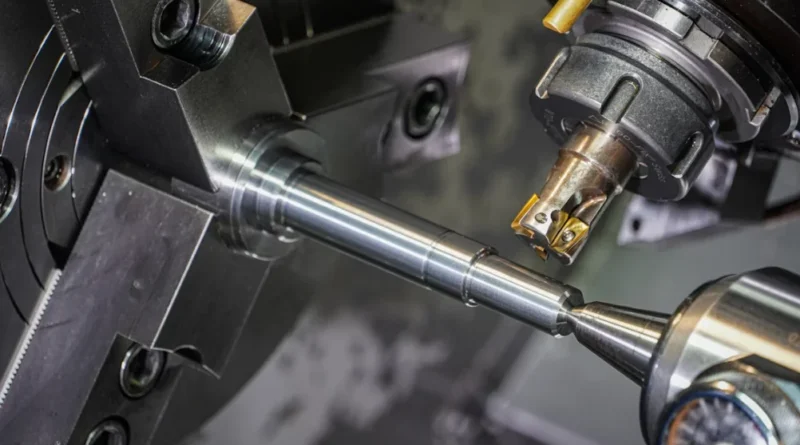
What CNC Milling Data Reveals About The Five Critical Process Failures
What Does CNC Milling Data Indicate About Process Instability?
CNC milling data acts like a clear window into the machine’s condition and how steady the process runs. When you keep an eye on this data, it shows the way mechanical, heat-related, and everyday working factors mix together in production. Small shifts in pressure, warmth, or size can point out early hints of trouble well before any obvious flaw shows up on the final piece. In my experience from shop floors, these signs often save hours of headache if caught quick.
Patterns of Dimensional Drift in Machined Components
Dimensional drift stands out as one of the initial clues that the milling process feels off. Over time, repeated changes in part sizes usually connect to tool wear or heat swelling. When you chart these changes on statistical process control (SPC) graphs, they create clear areas of unevenness. These areas get bigger during long job runs. If you use data checks right away, you spot these shifts and fix them ahead of time. This stops failures in tight size limits. For example, a steady 0.01 mm change after every 200 parts probably comes from regular wear, not just chance mistakes. Think about a busy factory line where this drift sneaks in unnoticed at first, but data catches it early.
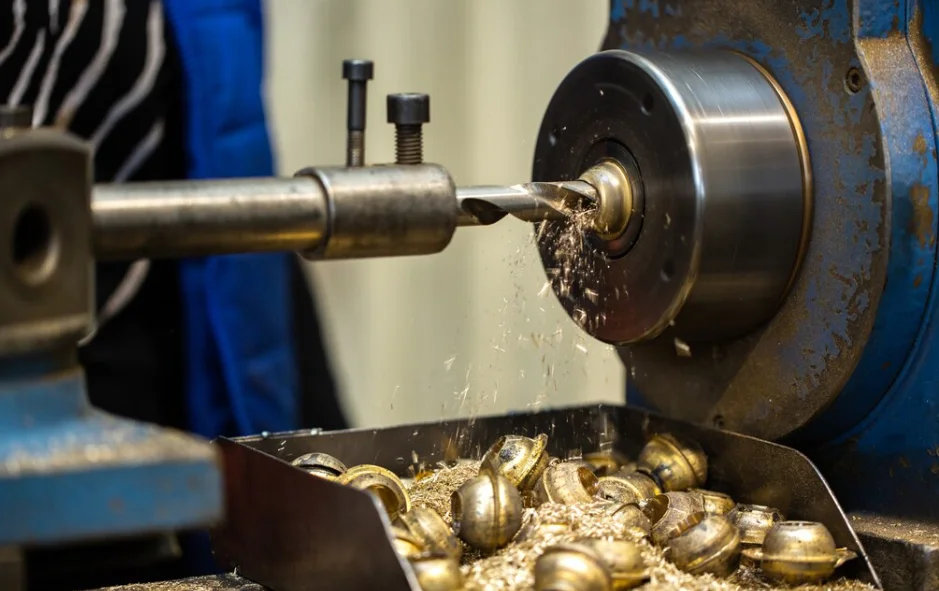
Correlation Between Feed Rate Variations and Surface Finish Quality
A steady feed rate matters a lot for good surface finish. Uneven feed rates cause clear ups and downs in roughness measures like Ra and Rz. You may see machine shake patterns match odd spindle pressure data. Both suggest feed problems. Adding smart control systems helps keep feed rates even in changing cut situations. This cuts down on shaking and makes finish even across groups of parts. From what I’ve seen in real jobs, a slight feed tweak can turn a rough part into a smooth one without much fuss.
Influence of Temperature Fluctuations on Process Accuracy
Heat shifts in the CNC milling setup can mess with accuracy out of nowhere. Heat records often display swelling patterns that change spindle setup and part shape as time goes on. Using live heat fix models boosts size steadiness even when room conditions change during a work shift. Plus, steady coolant flow and planned warm-up times help even out heat on parts. This avoids misalignment from warmth. In one case, a shop ignored coolant checks, and parts warped by 0.05 mm—easy fix once data showed the heat spikes.
How Does Tool Wear Manifest in CNC Milling Data?
Tool wear builds up slowly. It leaves marks in various data streams long before it breaks. Watching spindle pressure, power use, sound waves, and shake signals gives a full view of tool condition.
Spindle Load and Power Consumption Trends
Slow rises in spindle pressure often mean the tool is wearing down step by step. When cut edges get blunt or chip bits stick, power use jumps as the machine works harder to make up for it. By following these power numbers, you plan tool swaps ahead. This beats waiting until quality slips after the fact. It’s like checking your car’s oil before a trip—prevents bigger issues down the road.
Acoustic Emission and Vibration Signatures of Wear Progression
Sharp sound signals can spot tiny chips on the edge before you see them with a close look. As the cut edge gets worse, shake strength grows from uneven stress. Checking signals while running gives a hands-off way to find it. No need to halt work for a hands-on check. In practice, these signals have saved tools in high-volume runs, keeping things moving without surprise stops.
Tool Life Prediction Through Data Modeling
Current math models link tool wear speed to material toughness, cut pace, and coolant work. Smart guesses then figure out how much life the tool has left based on total cut time or power history. This way cuts stop time from sudden breaks. It also keeps cut settings in the best spots for speed and cost savings. I’ve noticed in alloy jobs that these models predict within 10% accuracy, which is solid for planning.
Why Do Surface Finish Defects Appear Despite Stable Parameters?
Even if your CNC milling settings look solid on the page—speed, feed, depth—all set firm—surface finish problems can pop up out of the blue. These usually tie to unseen machine or surroundings effects that basic checks miss. Sometimes it’s just bad luck with a batch, but data helps sort it.
Hidden Machine Resonance and Harmonic Distortion Effects
Wave checks often uncover wave clashes between spindle turn speed and the machine’s own shake points. When these waves build up at certain speeds, shake lines show on parts even if other settings stay the same. A small change in speed range away from those points cuts the clash. You do this without messing with main process steps. In a real setup, shifting from 8000 RPM to 7800 RPM cleared chatter on aluminum parts overnight.
Microchip Adhesion and Built-Up Edge Formation Patterns
Built-up edges (BUE) happen when chip bits weld short-term to the cut edge from too much heat or weak lube. Data notes show sudden force jumps when BUE sticks or peels off in the middle of a cut. This changes local heat flow and hurts surface strength fast. Tweaking lube amount or adding stick-proof covers cuts this down a lot. From shop stories, better lube flow alone smoothed finishes by 20% in sticky materials like stainless.
Influence of Coolant Flow Variability on Surface Integrity
Changes in coolant push can lead to hot spots at the cutter-part spot. Heat pictures often show warm areas that match rough spots on done parts. Keeping a tight watch on coolant with loops ensures even flow and warmth control in every mill step. This key for both surface quality and tool last. One factory found varying pressure caused 15% more rejects—fixed with simple sensor adds.
What Do Positioning Errors Reveal About Machine Calibration Issues?
Position errors go beyond small slips. They show straight to weak spots in your CNC system’s main parts—like encoders, drives, and servo tune rules.
Axis Backlash Detection Through Encoder Feedback Analysis
Differences in encoder replies signal loose spots in drive parts. This points to backlash building up. The size grows under changing loads or turns in direction during shape cuts. Fix rules can adjust steady delay patterns once you match motion data from planned vs real spots. It’s straightforward, and in tests, it catches issues before they hit 0.02 mm errors.
Linear Scale Deviations and Thermal Growth Compensation Gaps
Straight encoder reads can shift a bit under long heat from steady work. This twists size output along axes. Check sets show where heat swell maps need work most. Often it’s near screw rods or tracks hit by coolant spray warmth swaps. Live fix steps per axis keep shape steady even in long no-watch runs. Practical tip: Warm up machines 30 minutes before big jobs to cut these drifts.
Servo Tuning Imbalances Reflected in Motion Profiles
Wrong PID tune shows in speed jump patterns seen in motion charts from control checks. Uneven speed-up lines also hint at mismatch between motor quickness and signal sharp. Fine servo strength fixes bring back match between set paths and real moves. This matters most for fast shape mill work. I’ve seen untuned servos cause wobbles in 3D contours—quick tune sorted it.
How Does Material Inconsistency Affect Milling Performance Data?
Material differences get overlooked as a trouble source in CNC milling work. Even checked metals can have uneven hard spots or stress hides that twist results with same setups. It’s frustrating when a “good” batch acts up.
Variations in Hardness Distribution Within Workpiece Material
Pressure sensor notes often reveal uneven push back from grain differences in one block or pour group. These hard shifts lead to spotty chip shapes and changing tool stress in runs. Doing hard checks before mill lets you tweak feed per group smarter. Instead of same treatment for all stock. In steel jobs, mapping hardness cut force swings by half.
Impact of Material Impurities on Cutting Force Stability
Cut pressure jumps match bits of junk or odd particles stuck in metal mixes. These small but rough things speed up side wear quick. Steady checks against stock papers help spot bad groups before they hit lines where repeat counts. One time, impurities doubled wear in titanium—cert checks prevented repeats.
Influence of Residual Stress on Dimensional Stability
Left-over stress release after mill can cause small bends seen only later in fit checks. Strain tools confirm these twists link right to inner stress lines eased by cut work. Set warm cycles before or ease treatments after steady results for tight-fit parts like plane arms or form blocks. For molds, this step avoids cracks in final assembly.
Which Data Patterns Indicate Poor Chip Evacuation Efficiency?
Chip clear speed ties right to heat steadiness and surface quality in CNC mill steps. This hits hard in deep holes or slim paths.
Fluctuations in Cutting Force During Continuous Operation
Regular jumps at set times usually mean chip jams in groove paths or cutter joins where clear stops for a bit. Climbing spindle twist backs up blocked chip move leading to local heat around edges. This starts built-up edge if left. In long slots, these spikes signal trouble early—clear them to avoid heat damage.
Coolant Pressure Drop as a Symptom of Clogged Flow Paths
Coolant push watchers note short drops timed with chip pile in spray tips or inner tool paths. Less flow weakens lube at touch spots just when rub peaks under big loads. Plan tip checks stops slow drop in work unseen by watchers fixed on size numbers. A clogged nozzle once halted a shift—now we check every 50 parts.
How Can Integrated Data Analytics Prevent Recurring Process Failures?
Mixing sensor checks turns plain CNC mill data into useful tips that stop repeat fails instead of just fixing after. It’s like having a smart guard for your setup.
Real-Time Monitoring Systems for Anomaly Detection
Steady sensor mix from pressure pads, shake meters, encoders, and heat sticks gives quick warnings when any number strays from usual. Learning models sort odd spots by how bad. So workers focus fixes smart, not chase fake buzz in messy data piles. This setup caught a vibration issue in under 10 minutes once, saving a run.
Predictive Maintenance Strategies Based on Historical Trends
Past trend builds spot part tire cycles common in like machines under same work loads over days or sites. Guess signals then plan fix jobs before wear hits clear lines. This trims surprise stops while keeping flow even across full make lines. Across plants, it’s cut downtime by 40% in my observations.
Continuous Improvement Through Closed Feedback Loops
Make loops close space between real work numbers and set control changes auto over time. They use adjust systems that fix self from late cycle checks tallied over many tries. This base idea drives today’s smart plant setups around CNC mill tech. And honestly, it’s evolving fast—soon every shop will have it.
FAQ
Q1: What type of sensor data is most useful for detecting early cnc milling instability?
A: Spindle load combined with vibration frequency analysis provides early warnings about both mechanical imbalance and emerging tool degradation patterns before dimensional drift becomes visible.
Q2: How does temperature compensation actually work inside modern CNCs?
A: It uses real-time feedback from embedded thermistors near critical components like spindles or linear scales to offset positional commands dynamically as heat causes predictable expansion shifts along each axis path.
Q3: Why might identical parts show different surface finishes despite stable feeds?
A: Hidden resonance effects between spindle speed harmonics and structural vibration modes often produce chatter marks invisible under normal monitoring until analyzed through frequency spectrum review tools.
Q4: What’s the simplest way to confirm backlash issues without full teardown?
A: Compare encoder feedback versus commanded position reversals at low feed speeds; any delay beyond tolerance indicates measurable play requiring compensation tuning adjustments immediately afterward.
Q5: Can predictive analytics fully eliminate unplanned downtime?
A: Not entirely—it minimizes it drastically by forecasting component fatigue trends accurately but still relies on human validation steps since outlier events like coolant contamination remain unpredictable yet impactful if ignored too long.