
What Is A Plasma Table And How Do Hidden Costs Affect CNC Operations
What Is A Plasma Table In CNC Operations
A plasma table serves as a key tool in today’s metal working shops. It brings quick cuts and good accuracy when dealing with metals that carry electricity. If you run a shop or plan budgets for CNC gear, you need to understand what a plasma table is and how it works. This knowledge helps you match costs with results in a smart way.
Think about a busy workshop. Workers there cut sheets of steel for car parts. A plasma table speeds things up. It cuts shapes that would take hours by hand. But like any machine, it has its own costs hidden in daily use. I’ll touch on that later.
Definition And Core Function Of A Plasma Table
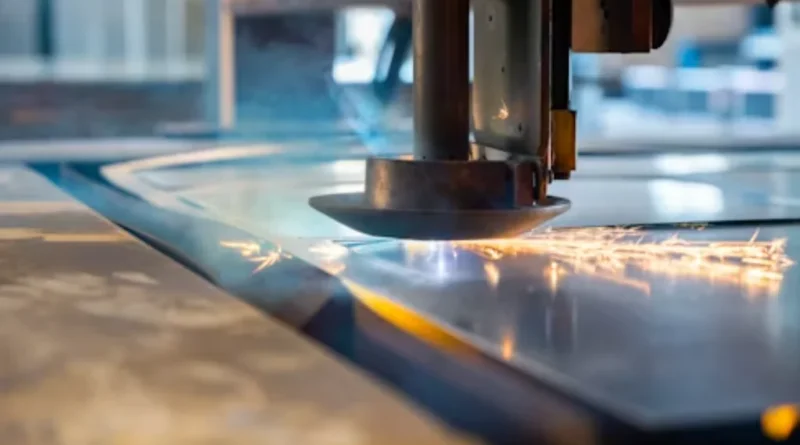
A plasma table is a setup run by a computer. It uses a stream of heated gas, called plasma, to slice through metals that conduct power. The job depends on strong electric sparks. These sparks turn regular air or other gases into hot plasma. That plasma cuts steel, aluminum, and similar metals fast. You can’t beat that speed with old-school hand tools. The CNC part lets you make detailed designs over and over on many pieces without mistakes.
For example, in a small garage, a guy might use it to cut brackets for trailers. The computer follows a drawing from software. No more guessing on lines. It’s reliable for repeat jobs.
Key Components And Working Mechanism
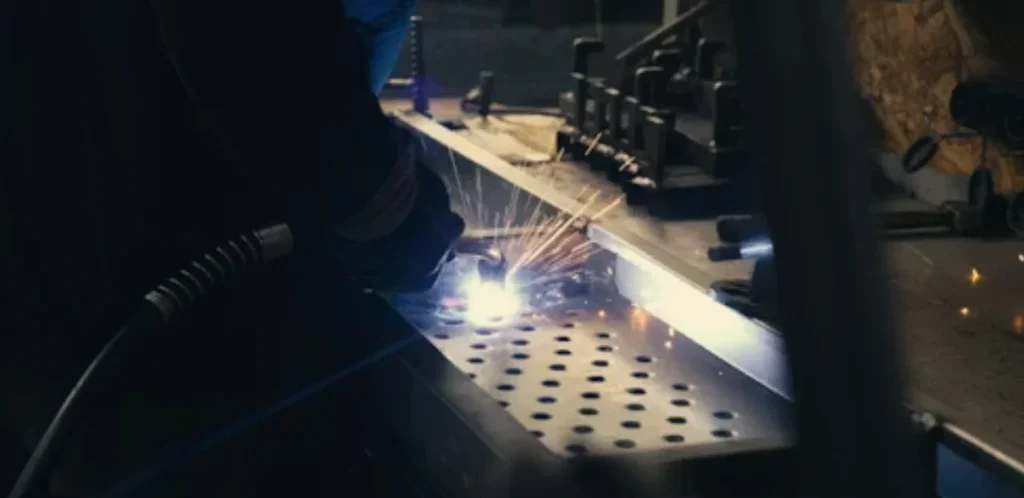
The main pieces of a CNC plasma table are the plasma torch, the moving table, the power unit, and the CNC brain. The controller reads files from your design program. It lines up the torch’s path with the right power levels. When the spark hits the metal, it melts a thin line. Then, the gas under pressure pushes the melted bits away. Lots of shops add sensors to keep the torch at the right height from the metal. This way, every cut stays even.
I’ve seen tables where the table itself is big, like 4 by 8 feet. It holds large sheets. The torch zips around on rails. Simple, but it works well if you keep it clean.
Common Industrial Applications And Material Compatibility
Shops in car making, building frames, sign making, and boat building use plasma tables a lot. They cut mild steel up to about 2 inches thick. They also handle thin aluminum or stainless sheets without trouble. This range makes them handy for tiny repair spots or big factory runs.
Take construction. A crew needs steel beams with holes. Plasma cuts them fast on site. No need for heavy grinders later. It’s a time saver in rough jobs.
How Does A CNC Plasma Table Differ From Other Cutting Systems?
Many ways exist to cut metal in shops today, like lasers, water jets, or old oxy-fuel torches. The plasma table fits a special spot. It mixes fast work, low price, and a wide range of metals.
Sometimes people mix up plasma with those others. But each has its place. Plasma shines for thick stuff on a budget.
Comparison With Laser Cutting And Waterjet Systems
Laser machines give sharp lines and clean finishes. But they slow down on metals over 1 inch thick. The power just can’t keep up. Water jets cut almost anything. They don’t use heat, so no warping. Yet they go slow. Plus, they need pricey sand to grind through. Plasma tables shine on thick electric metals. They cut quick. But the edges aren’t as smooth as laser or water jet ones.
In a real shop, say for making signs, laser might win for fine letters. But for big steel plates in trucks, plasma is the go-to. It’s cheaper to run daily.
Advantages In Cost Efficiency And Operational Flexibility
You can buy and fix CNC plasma setups for less than lasers. Setup is easy too. No need to fuss with mirrors or lenses. Parts that wear out cost less to swap. For places with all kinds of jobs or metals, this means quicker work. You don’t sink a ton of money upfront.
Flexibility matters. One day you cut thin aluminum for bikes. Next, thick steel for gates. Plasma handles the switch without big changes.
Limitations Related To Edge Quality And Fine Detail Work
The big issue is the hot spot from the plasma spark. It leaves a changed area around the cut. On thin metal or fancy shapes, the edges might slant a bit. Or bits of slag stick on. You need extra steps to clean it up. So, plasma isn’t best for pretty art or parts that need exact fits. Lasers do better there.
From what I’ve heard in forums, new users get surprised by this. They expect perfect cuts right away. But with practice, you learn to pick the right jobs.
What Are The Hidden Costs Involved In Operating A Plasma Table?
The starting price is just the beginning. Running a CNC plasma table adds steady costs. They sneak up and hurt your bottom line if you don’t watch them.
Owners often forget these at first. Then bills pile up. It’s like owning a car; gas and fixes add more than the sticker price.
Consumable Parts Replacement And Maintenance Expenses
Parts like torch tips, electrodes, swirl rings, and shields wear out fast. The heat and power zap them. Based on how much you cut, you might swap them every few hours. You also need to clean the torch often. Check wires too. This takes time from workers, and that costs money over weeks.
Say you run 8 hours a day. Tips might last 2 hours on thick steel. That’s four swaps daily. At $5 each, it adds up quick.
Energy Consumption And Compressed Air Requirements
These tables pull a lot of electricity. A 100-amp unit might use 5 kilowatts an hour. It also needs a compressor always on for the gas. Power bills and air costs go up. New folks don’t plan for this right away.
In a hot shop, the compressor hums non-stop. It eats power like crazy. Add summer AC, and utilities sting.
Software Licensing And System Calibration Costs
The CNC brain uses special programs to fit parts on sheets tight. These might need yearly fees to keep updated. To stay accurate, you call pros for checks on movement and power. Their visits cost extra, and they happen now and then.
Software helps nest jobs. Without it, you waste metal. But licenses? Yeah, they renew like subscriptions.
How Do Hidden Costs Influence Production Efficiency?
These costs hit more than your books. They mess with how smooth your shop runs. They cut machine time and steady output.
It’s a chain reaction. One small fix turns into lost hours. Over months, it slows everything.
Impact On Machine Downtime And Throughput Rates
Stop to change a tip or fix a spark issue, and work halts. Short pauses add up over shifts. Your total cuts drop week by week. Plan breaks for fixes to keep things moving.
Picture a deadline for 50 parts. A 30-minute downtime means rushing later. It stresses the team.
Effect On Cut Quality Consistency Over Time
Worn electrodes or off settings make cuts uneven. Edges get rough. The cut line widens without warning. This means fixing parts again. It wastes metal and worker hours.
Consistent cuts build trust with clients. Inconsistent ones? They send jobs back.
Long-Term Financial Implications For Manufacturing Budgets
Add up parts, power, fees, and stops yearly. It eats into what you make. If you price jobs without these, you lose money per piece.
Smart shops track this from day one. They adjust bids to cover the real tab.
Why Is Operator Skill Level Crucial To Managing CNC Plasma Costs?
Machines do a lot, but the person running it matters most for keeping costs down. Skill controls the spend in plasma work.
No automation beats a sharp eye. Good operators spot issues early.
Influence Of Operator Expertise On Setup Accuracy
A good worker sets power, speed, start wait, and height for the metal type. Right tweaks cut wear on parts. They save sheet space from bad starts or off lines.
For stainless, you drop amps a bit. Wrong? It burns holes. Skill avoids that waste.
Role Of Training In Preventing Costly Errors Or Rework
Training teaches reading error lights right. No guessing fixes that break more. Wrong program entries ruin whole sheets. Lessons stop that easy.
New hires mess up lead-ins. A sheet worth $100 goes bad. Training saves cash.
Contribution To Predictive Maintenance And Process Optimization
Vets spot odd spark flickers or noises that mean trouble soon. Log them for fixes ahead. This keeps work steady. No surprise stops.
It’s like checking your truck tires. Catch wear early, drive longer without flats.
How Can Businesses Minimize Hidden Expenses In Plasma Table Operations?
To cut these costs, plan ahead. Don’t wait for breaks to fix things.
Small steps pay big. Shops that do this run smoother.
Implementation Of Preventive Maintenance Programs
Check every 200 cut hours. Spot worn parts before bad cuts or bursts. Stock extras so swaps are fast. No wait for deliveries that stop lines.
Set a calendar. Weekly wipes keep dust out. It extends life.
Optimization Of Cutting Parameters And Gas Flow Settings
Tweak power or air push to last parts longer. It smooths edges too. Save settings for each metal. Shifts stay the same no matter who runs it.
Test on scrap first. Find the sweet spot for your setup.
Integration Of Automation And Monitoring Software Tools
New tools track run time, starts, power shifts, and path slips live. They show waste like too much wait or bad fits. Fix before costs grow.
Apps ping you on issues. It’s like a dashboard for your table.
What Strategic Considerations Should Guide CNC Plasma Investment Decisions?
Before you buy or upgrade, look at tech and money over years. Think long-term.
Don’t rush. A bad pick haunts you.
Evaluation Of Total Cost Of Ownership Over Equipment Lifespan
Add buy cost, setup fees, power use, part estimates, program pays, fix deals, and end value after 5 to 10 years wear.
Crank numbers in a spreadsheet. See the full picture.
Alignment With Production Volume And Material Requirements
A too-strong machine wastes juice on light work. Too weak one breaks fast from push. Match power to usual thickness. It fits budget and needs.
If you cut 1/4 inch mostly, 60 amps does fine. No need for 200.
Importance Of Vendor Support And After-Sales Service Quality
Good help fixes fast when trouble hits mid-job. Sellers with classes and quick parts give better value. Even if start price is higher.
Check reviews. A vendor that answers calls wins over cheap no-support.
FAQ
Q1: What materials can be cut using a CNC plasma table?
A: Most conductive metals including mild steel up to around 50 mm thick as well as stainless steel and aluminum sheets are compatible with plasma cutting systems.
Q2: How often should consumables be replaced?
A: Torch tips and electrodes typically last between one to four hours of active cutting depending on current settings and material thickness before noticeable degradation occurs.
Q3: Does compressed air quality affect cut results?
A: Yes; moisture or oil contamination in compressed air lines can destabilize the arc stream causing irregular kerf widths or increased dross formation along edges.
Q4: Can automation reduce overall operating costs?
A: Automated height controls and performance monitoring software lower human error rates while extending component life through consistent parameter management across shifts.
Q5: What’s the typical lifespan of a well-maintained plasma table?
A: With regular preventive maintenance schedules observed diligently—including calibration checks—a commercial-grade CNC plasma table can remain productive for eight to twelve years before major refurbishment becomes necessary.