
What Is CNC Automation And How It Transforms Shop Floor Productivity In 2026
What Is CNC Automation in 2026?
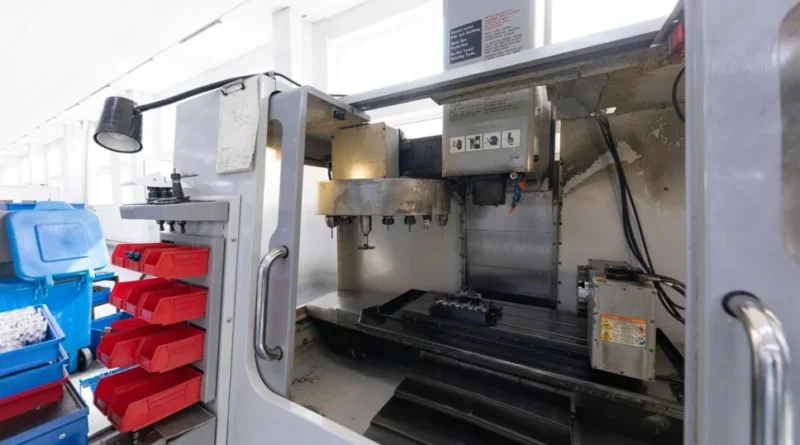
CNC automation in 2026 marks a well-developed phase of computer-controlled manufacturing. Digital smarts push forward accuracy and speed. It goes beyond just big factories now. Small machine shops rely on it more to keep up with rivals. Folks often mean computer numerical control systems when they ask about CNC. These systems direct machining tools using coded commands. These days, they blend closely with sensors, robotics, and artificial intelligence. Together, they form the main support for today’s smart manufacturing setups. Take a typical small shop in a quiet industrial town. They might handle custom parts for local bike makers. Without this tech, they’d struggle to meet deadlines.
Definition and Core Concepts of CNC Automation
CNC automation combines computer numerical control with smart software for exact machining. It links up robotics, sensors, and AI-based systems. This makes production lines work on their own more. The basic thought is straightforward. Machines handle tough jobs with little help from people. They keep precision to tiny levels, like microns. This lets them run non-stop over several shifts. No tiredness or uneven work creeps in. In practice, think of a shop cutting metal pieces for car engines. The machine adjusts itself if the material shifts a bit.
Evolution of CNC Automation Technologies
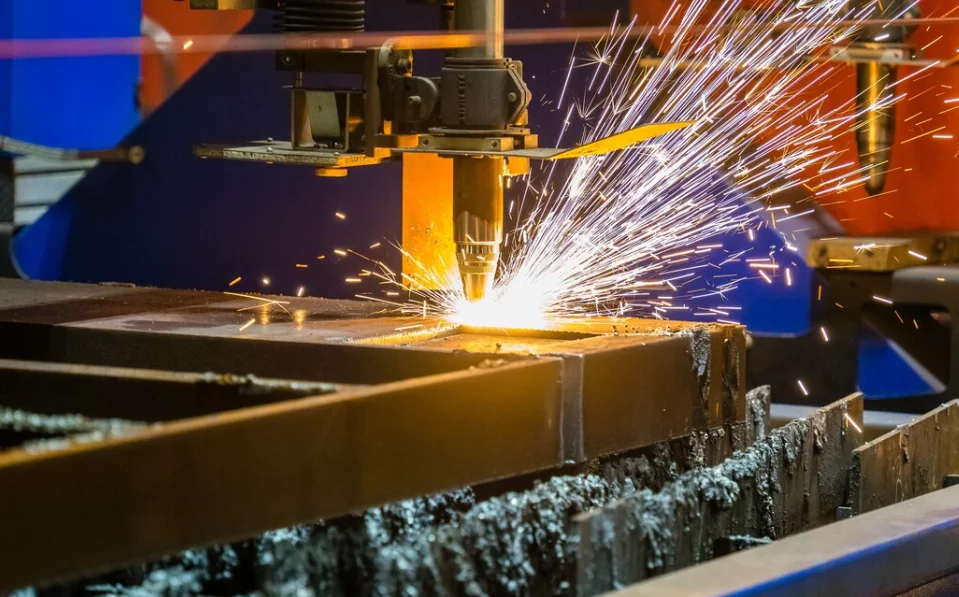
The shift from old CNC systems to current automated ones has been huge. Early machines needed lots of hand programming. They used simple G-code instructions. But now, fresh CNC automation employs flexible algorithms. These study live data from cutting tools and materials right away. Plus, ties to IoT platforms allow smooth talk between machines on the factory floor. Managers can check how things are going from afar. Back in the early 2000s, a shop might spend days tweaking code by hand. Today, it happens in minutes, saving real time and headaches.
Key Components of Modern CNC Systems
A usual modern CNC system has controllers that read digital orders. It includes servo motors for spot-on movement control. Feedback loops fix any slips right away. Better software screens make building toolpaths easier. They let you test programs before real machining starts. Connection parts tie these pieces to main watch panels. There, automatic warnings for upkeep pop up. For example, if a motor heats up too much, the system flags it before trouble hits. This setup keeps everything running smooth without surprises.
How Does CNC Automation Improve Shop Floor Productivity?
CNC automation boosts productivity by quickening tasks and making them sharper. Small workshops deal with many orders or short deadlines. For them, this tech makes sure no time gets wasted. Picture a busy afternoon in a shop with three machines humming. Automation keeps them all busy without a worker running back and forth.
Enhanced Machine Utilization Rates
Automated planning tools cut down wait times between machining rounds. They line up jobs in a smart way. Multi-axis machines do several steps at once, like milling, drilling, or turning. No need for hand repositioning. Live watch tools hold high use rates. This works even on night shifts with fewer people around. In one case, a shop saw their machine run time jump from 60% to 85% after adding this. It meant more parts done without extra costs.
Reduction in Human Error and Downtime
Setup mistakes used to eat up hours in old shops. Now, automated tuning finishes those in minutes. Smart upkeep algorithms check shakes or heat data. They spot tool wear early, before it wrecks things. So, stoppages fall a lot. Product quality stays steady over groups of items. I recall hearing from a machinist how one faulty setup once scrapped a whole batch worth thousands. Automation dodges that now.
Streamlined Workflow Integration
Automation also eases teamwork between machines and teams. Data sharing between CNC units makes sure each step flows to the next without hitches. Ties to ERP systems keep supplies in sync. Raw materials show up just when needed. Flexible planning parts shift job order fast if a quick job comes in. This keeps the whole floor moving like clockwork, even when surprises pop up.
Why Is CNC Automation Critical for Small Machine Shops in 2026?
Small machine shops face tough spots from worldwide rivals. For them, picking up CNC automation is key to staying alive. The tech evens things out. It gives small groups big-factory level work speed. In 2026, with supply chains all tangled, shops that automate can grab more local gigs.
Competitive Advantage Through Efficiency Gains
Automated steps let small workshops make parts at paces once only for huge plants. Shorter cycle times bring more output. No need to add workers or extra hours. Better precision helps snag deals in tough fields like aerospace or medical work. Tolerances there leave no room for slip-ups. A small shop in Ohio, for instance, landed a deal for drone parts thanks to their quick turnaround.
Labor Shortage Mitigation Strategies
Finding skilled machinists is still tough in 2026. That makes automation a must. Digital screens watch several machines at once. So, one person can handle multiple spots well. Training now skips heavy hand skills. It focuses on watching automated flows or reading stats. Shops often pair with local tech schools for quick courses. This helps fill gaps without long waits.
Cost Optimization in Production Processes
Power-saving motors cut electric bills as time goes on. Automated tool care lowers waste from snapped cutters or off setups. Smart data checks fine-tune how resources get used. Machines only run when they should. This trims wasted power and stretches part life. Over a year, a shop might save enough to cover a new tool set. It’s practical math that adds up.
How Is Artificial Intelligence Shaping CNC Automation?
Artificial intelligence acts as the quiet helper in every busy machining area. It changes plain sensor info into useful tips. These tips lift uptime, quality, and flexibility. AI isn’t some magic box; it’s like having an extra brain that learns from each run.
Role of AI in Predictive Maintenance and Quality Control
AI setups watch shake patterns, spindle weights, and heat shapes all the time. They guess failures days before they happen. These early warnings let teams swap parts ahead. No more fixing after breaks. Machine learning spots small quality slips too. It catches them before bad parts ship out. In a real setup, this might mean spotting a tiny crack in a tool before it ruins 50 pieces.
Adaptive Machining Through Real-Time Feedback Loops
Sensors send fresh data to control software while machining goes on. Then, settings like feed speed or spindle turn can change right away. They match how the material acts. This quick fix keeps finishes even. It works for hard metals or mixed stuff under changing setups. No more guessing; the machine senses and shifts on its own.
Intelligent Programming and Process Optimization
AI-helped CAM software now builds best toolpaths from CAD drawings on its own. This cuts programming time big for tricky shapes, like turbine blades or bone implants. As systems pick up from past work, they get better each time. Efficiency climbs with every go. Programmers say it feels like the software guesses what they need next.
What Are the Emerging Trends in CNC Automation for 2026?
The coming changes stress links and teamwork between digital aids. Not just lone machine fixes. Trends lean toward setups that talk to each other, making the whole shop smarter.
Integration of Digital Twins in Manufacturing Environments
Digital twins are virtual copies of real machines. They run full machining tests before actual cuts. This check cuts setup time. It shows clashes or weak spots early. When making starts, matched data keeps models in step. Tracking stays true. Shops use them to test new designs without risking real metal. It’s like a safety net for experiments.
Expansion of Collaborative Robotics (Cobots) on Shop Floors
Collaborative robots take on boring loading jobs. They work safe next to people, no fences needed. Their bendy nature lets quick moves for fresh product types. This suits small shops with lots of custom work. A cobot might load bars into a lathe while the operator sets up the next job nearby. It boosts speed without adding staff strain.
Growth of Cloud-Based CNC Management Platforms
Cloud management pulls data from many spots into one screen. You access it from anywhere with safe links. Remote checks let makers fix problems fast, no need for on-site visits. The cloud’s growth side fits regular updates without stopping work. For shops with branches, this means one view of all ops. It cuts confusion and speeds fixes.
How Does CNC Automation Support Sustainable Manufacturing Goals?
Sustainability ties tight to making money now. Energy prices climb, and rules on the environment get stricter everywhere. CNC automation helps meet green aims without slowing down.
Energy Efficiency Through Smart Power Management
New controllers drop power use when idle on their own. Regenerative motors grab back energy during slow-downs. Whole-system checks find weak machines quick. Fixes come fast over networks. A shop might see their monthly bill drop 20% after tweaks. It’s not just talk; the numbers show real savings.
Waste Reduction via Precision Machining Techniques
Super-accurate tool lines cut only what’s needed. No extra stock gets tossed. Closed feedback holds best cutting settings through the whole job. Constant checks catch odd spots early. This stops full batches from going to waste. In metal work, less scrap means less recycling trips too.
Lifecycle Extension of Machinery Through Data Analytics
Non-stop health checks stretch machine life. They catch wear signs way before breaks. Smart tips set part swaps only when due. No more fixed schedules that waste or rush fixes. Equipment lasts longer, and shops spend less on new buys. One operator noted their old mill ran two extra years thanks to this watch.
What Challenges Do Shops Face When Implementing CNC Automation?
Even with perks, moving to full automation brings bumps. It needs good planning, not rushed steps. Shops often hit snags, but most work through them with patience.
High Initial Investment and ROI Considerations
Long-run savings are big, but starting costs hit hard for small runners. Buying top machines or software flat out costs a lot. Money planning tools show true payback times. Lease deals offer easy ways in for tight budgets. A shop might start with one machine and grow from there, paying as they earn.
Integration Complexity With Legacy Systems
Old gear misses talk links for new networks. This causes mix-up pains during changes. Middle tools fix this. They turn signals from old controls to new digital ones. Daily work stays mostly steady during shifts. It’s like adding a translator to an old team—awkward at first, but it works.
Workforce Adaptation and Skill Development Needs
Automation flips job types fast. Workers shift to tech roles that read data, not tweak dials all day. Ties between trade schools and makers are key. They build mixed skills quick to match industry shifts. Everyone’s in the same boat, learning as tech rolls out.
FAQ
Q1: What is CNC automation mainly used for?
A: It’s primarily used for precision machining tasks such as milling, turning, drilling, and grinding where consistent accuracy is critical across repeated cycles.
Q2: How does AI improve CNC performance?
A: AI enhances predictive maintenance by analyzing sensor data continuously while optimizing cutting parameters dynamically through real-time feedback loops.
Q3: Can small shops afford modern CNC automation?
A: Yes—leasing options and modular system upgrades make adoption feasible even for smaller operations seeking gradual integration instead of full replacement at once.
Q4: What role do cobots play in automated workshops?
A: Cobots assist human workers by performing repetitive material-handling tasks safely beside them which increases throughput without expanding labor costs significantly.
Q5: How does cloud connectivity benefit multi-site manufacturers?
A: Cloud-based platforms centralize monitoring across different facilities enabling remote diagnostics faster updates and unified performance tracking under one dashboard interface.