
How Can Feed Rate Optimization with AI Improve Cutting Efficiency
How to Use AI to Find the “Sweet Spot” for Feed Rates
Finding the right feed rate in machining is not just about speed or tool life. It is about balance. The “sweet spot” is that careful point where productivity, quality, and cost savings come together. Artificial intelligence, or AI, now helps find this balance in a more exact way than before. It looks at data right as it happens and learns from patterns. AI-based systems can show you the best feed rate settings. These settings would take years of hands-on trial and error to figure out by yourself. In my experience working with shops, this kind of help speeds things up a lot, especially when dealing with tricky jobs.
What Is Feed Rate Optimization?
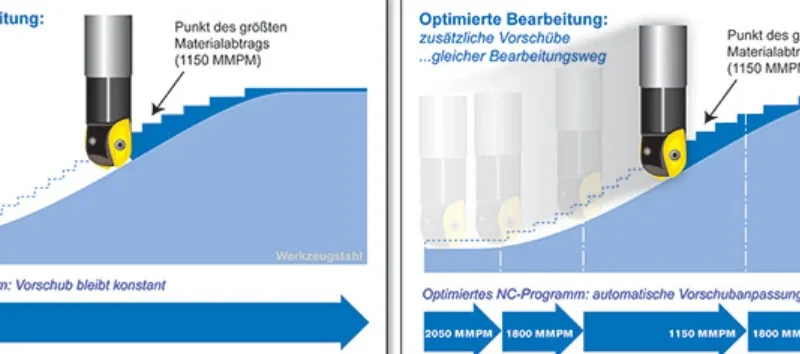
Feed rate optimization means changing the cutting speed and how much material you remove at once. The goal is to get the best mix of tool life, surface finish, and time per part. In the old days, machinists used their know-how or basic charts. But those ways do not handle changes in material hardness, tool wear, or machine shakes. AI fixes that by working with data from sensors in real time. It keeps figuring out the best settings as things go.
In places that need high precision, like making parts for airplanes or medical tools, a small mistake in feed rate can cost a lot. It might mean throwing away tools or bad parts, which adds up to thousands of dollars. AI systems watch things like spindle load, heat levels, sounds from cutting, and twisting force. They guess when to make changes. For example, on a busy shop floor I visited, they caught a vibration issue early and saved a whole batch of parts from being scrapped.
How Does AI Analyze Machining Data?
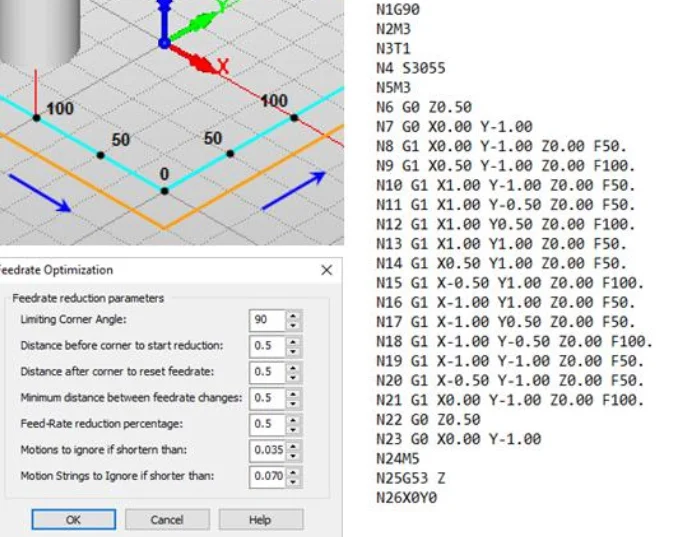
AI models use info from sensors built into CNC machines. These sensors check vibration speeds, power used by the spindle, cutting push, and heat changes. Then, the AI spots patterns that match up with tool wear or shaky cutting. As time passes, it picks up on which settings of speed and feed give the steadiest work.
Take a titanium part, for instance. If it starts making odd shakes at a certain spindle speed, the system notices this odd bit right away. It suggests slowing the feed a touch. But it keeps the work output steady. This quick fix stops chatter and makes tools last longer. You do not need a person to step in every time. I have seen this in action on a mill running long shifts, and it really cuts down on surprises.
What Are the Benefits of Real-Time Feed Rate Adjustment?
Real-time changes mean the system spots issues before they turn into big problems. It guesses what might go wrong. When the AI sees more pushback or chatter sounds going over normal levels, it tweaks the feed rates right then. It stays within safe bounds. You end up with even cuts, less tool breakdowns, and steady part quality from one batch to the next.
This way also helps save energy. Machines that run at good feed rates use less power for each part. They skip bad conditions like too much rubbing or waiting around. In one factory I know, they cut their power bill by about 15% after adding this setup. It is a small change that adds up over months of work.
How Can Machine Learning Improve Feed Rate Optimization?
Machine learning, or ML, pushes AI optimization a step ahead. It adds guessing skills based on past job data. ML does not just react to what sensors say now. It also predicts how different materials will act under set conditions. This makes the whole process smarter and more reliable over time.
What Types of Algorithms Are Used?
Learning algorithms that use guided data, like ones for guessing trends, can figure out best feed rates. They work from sets of info labeled from old machining jobs. Other methods that find groups without labels sort similar cutting tasks. They uncover links between settings and results that you might miss.
Then there is learning from trial and reward, like how animals learn tricks. It lets the system try tiny changes in feed rates during easy jobs. It learns which tweaks give better outcomes as it goes. Picture this: on a test run with soft steel, it might bump the feed up by 10% and see if the finish stays good. Over many tries, it gets sharper.
How Does Predictive Modeling Help?
Predictive modeling lets you test cutting setups in your head before doing them for real. It saves time and money. Say you switch from aluminum to Inconel 718, a super tough metal that fights back hard. The model can tell you to slow the feed by maybe 20-30% to keep the surface smooth enough.
This kind of ahead-thinking cuts down on expensive test runs. It shortens the time to set up new work. Plus, every job you finish adds to the data pile for better guesses next time. In the auto parts world, this has helped teams hit deadlines faster without extra waste. It is like having a smart helper who remembers every past mistake.
How Do You Implement AI-Based Feed Rate Systems?
Bringing in AI for feed rate work does not mean turning your whole workshop upside down all at once. Many new CNC controls can link up with data tools using common links like MTConnect or OPC UA. You can start small and grow from there.
Step 1: Collect Reliable Data
First, make sure your machines have solid sensors. They should measure push forces, shakes, heat, and spindle power. Bad data will trick even the best AI. Clean, steady info is key. I recall a shop that skipped this step and ended up with wonky advice—lesson learned the hard way.
Step 2: Train Your Model
Next, load up old machining info into your AI tool. Let it learn the normal ways things go for various materials and tools. The more different data you give it, and the longer it practices, the sharper its guesses get. Start with a few months of records if you have them.
Step 3: Integrate With Control Systems
After checking that the trained model matches real job results, hook it up to your CNC software. This allows auto changes. Workers can still make hand tweaks if they want. But they get steady tips on screen as things run. It feels like a co-pilot in the control room.
Step 4: Monitor Performance Continuously
AI gets better with feedback, so keep an eye on its tips in the first weeks. Check how close the guesses come to what really happens. Do this often until it hits steady good marks. Adjust as needed, and soon it runs smooth.
What Are Common Challenges When Using AI for Feed Rate Optimization?
The upsides are big, but putting it to work has some hurdles. Data that varies between machines can mix up the AI if it trained on even sets. Old equipment might not have the right sensors or plugs for watching in real time. That can slow you down at first.
Trust from workers is another snag. Folks used to tuning by hand might not want to hand over control to a computer. Start slow, maybe with just suggestions on screen instead of full auto mode. This builds faith without stopping work. In one team I heard about, they did demo runs on scrap material to show it worked.
Security online is key too, since these setups often use cloud help for training or watching from afar. Keep your job secrets safe when linking sites together. It is worth the extra care to avoid headaches later. Overall, with patience, these issues fade as the system proves itself.
FAQ
Q1: What Is the Main Goal of Feed Rate Optimization?
A: The main goal is to get top output without hurting tool life or surface quality. You do this by tweaking cutting speeds based on what is happening right now.
Q2: Can AI Replace Human Machinists Entirely?
A: No, AI helps machinists with boring number checks. But it still needs people for tough spots, like sudden flaws in material or setup slips. Humans bring the real-world smarts.
Q3: How Much Data Is Needed for Effective Machine Learning Models?
A: You usually need a few hundred full cutting cycles for each type of material. This gives enough mix for solid guesses. More varied info makes it even better. Think of it as building a strong memory bank.
Q4: Are There Specific Industries Benefiting Most From This Technology?
A: Making airplane parts is out front because they need super tight fits. Car makers and medical gear folks come next. Steady accuracy ties right into safety rules there. It is a game-changer for high-stakes work.
Q5: Does Feed Rate Optimization Reduce Energy Costs?
A: Yes, running at good settings cuts down on rubbing waste and waiting. This leads to real savings in power for each part over long runs. Shops often see it pay back quick.