
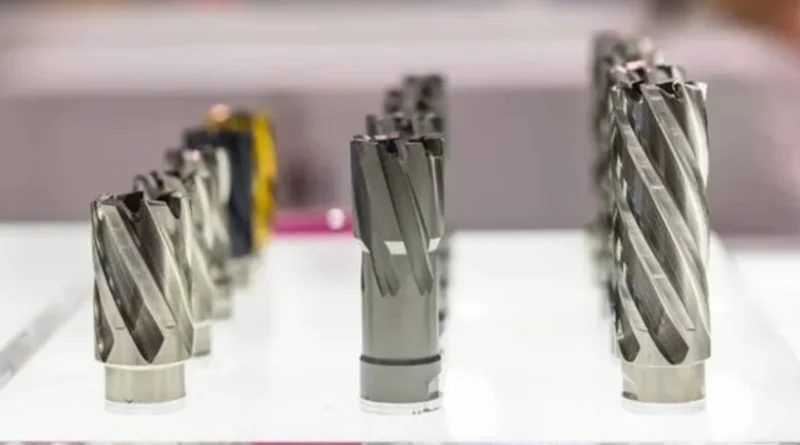
What Makes Carbide vs HSS Tools Diverge in Tool Life and Surface Integrity
Why Carbide Tools Fail Where HSS Thrives
When folks talk about carbide versus HSS tools, they usually begin with things like hardness and cutting speed. Carbide tools stand out because they handle fast cuts well. They also keep their sharp edges longer than high-speed steel, or HSS. But in everyday shops, carbide tools often break down too soon. Meanwhile, HSS keeps going strong. This piece looks at the reasons behind that. It covers how the materials work in practice. Plus, it shares tips for picking the right tools for your jobs.
What Makes Carbide Tools So Brittle?
Carbide tools mainly consist of tungsten carbide bits held together by cobalt. This mix creates great hardness. However, it leaves them quite fragile. If vibrations hit, or if cuts get interrupted, or if the setup wobbles a bit, those carbide edges chip right away. The fragility comes from the way the material is built. It’s not some production mistake. It’s just how the stuff acts naturally.
HSS, on the other hand, includes added metals like molybdenum and tungsten. These give it both solid hardness and good strength. That strength helps it handle sudden jolts in interrupted cuts. It also deals with materials that have uneven hardness. So, if your machine has a little wobble or shakes from runout, HSS bends a tad without breaking. Carbide does not bend. It just cracks under the pressure.
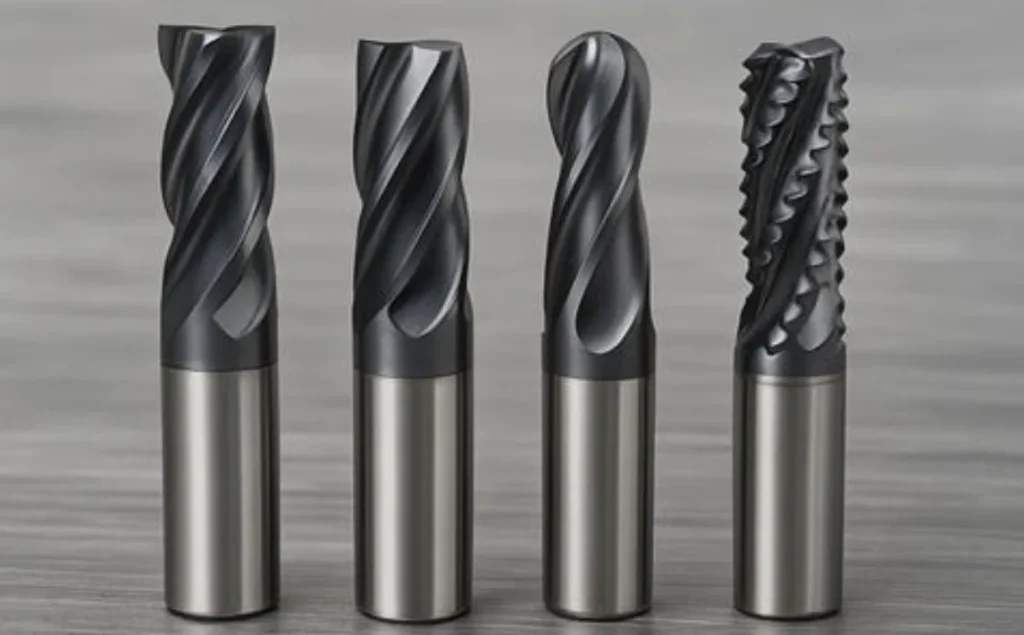
Microstructure Differences
Carbide’s inner structure looks like tight-packed grains. Each spot where grains meet can start a crack when stress or quick heat changes hit. HSS has a smoother base. Fine carbide bits spread out inside the steel part. This setup makes HSS tougher against fast stress shifts.
That’s the reason carbide shines when you cut tough steels or cast iron. Those jobs make steady, hard chips. But try softer metals like aluminum or brass. Add in changing feed speeds or stops in the cut. Then, carbide tips chip quicker than you might think. I remember a guy in a local shop who switched back to HSS after losing three carbide bits on a simple aluminum job. It saved him time and hassle.
How Does Heat Affect Tool Life?
Heat ranks as one of the worst foes for keeping tools alive longer. In quick cuts, the spot where the tool meets the chip can get hotter than 800°C for carbide. For HSS, it’s around 600°C. Carbide holds its hardness better in that intense heat. Still, if the coolant does not flow steadily, carbide can crack from the temperature swings.
HSS starts to soften sooner when things heat up. But it stands up to heat shocks way better. Machinists pick HSS for tasks with on-and-off cooling. Think about drilling deep holes. The coolant might pause now and then. Or consider using a light mist lube instead of a full flood. HSS handles those spots without trouble.
Thermal Conductivity and Expansion
Carbide does not spread heat as well as steel does. So, the warmth builds up right at the cutting edge. It does not move much into the tool’s body. This focused heat leads to tiny cracks when temperatures jump around fast. HSS spreads the heat more evenly. Its metal makeup helps with that. As a result, it avoids the big heat differences that cause breaks.
Take milling on rough surfaces, for instance. Each tooth on the cutter dips in and out of the work over and over. Carbide end mills in that kind of job often quit early. The edges chip from the back-and-forth heating and cooling. An HSS end mill might wear down quicker. But it won’t snap all at once. In one factory I heard about, they stuck with HSS for those uneven mills and cut their tool swaps by half.
Why Does Vibration Destroy Carbide Faster?
The stiffness of your machine matters a lot for how tools hold up. Even small shakes can wreck carbide edges. They just can’t soak up the bumps well. In older gear with beat-up spindles or setups that aren’t super solid—stuff you see in many small garages—HSS beats out carbide every time. It puts up with a bit of give without failing.
Carbide only does great if the machine setup kills off vibrations almost fully. Think modern CNC centers. They have stiff builds and spot-on holders. In those, carbide inserts last way longer. You can push higher speeds too, without the tools giving out.
Edge Geometry Sensitivity
Carbide tools need exact shapes on their edges to work their best. If the rake angles are off even a little, stress piles up at the tip. HSS tools forgive more. They keep cutting okay even after a quick touch-up on a grinder at the bench.
That’s why plenty of shop hands still grab HSS reamers or taps for tricky thread work. They give cleaner finishes. And there’s less chance of a big break if things aren’t lined up perfect. For example, in a repair shop, using HSS taps on old engine parts avoids the headaches of snapped carbide ones.
Where Does Each Material Excel?
Deciding on carbide or HSS tools comes down to your actual work setup. It’s not just about book smarts on the materials. Real conditions make the difference.
- Carbide excels in fast, steady jobs like turning hard steels or stainless types. This works best when everything stays rock-solid.
- HSS excels in slower tasks such as drilling tiny holes, cutting threads, or running on hand-fed machines where shakes happen often.
Say you’re making parts for planes from titanium. That’s a real tough nut to crack. Carbide inserts slice through fine, but only if feeds stay even and coolant runs smooth. Tool folks often flip to cobalt-boosted HSS drills for starter holes. They manage uneven pushes better and don’t break easy. In aerospace, I’ve seen teams mix the two to hit deadlines without extra costs popping up.
Cost Efficiency
Carbide runs pricier up front. But if it breaks often from wrong conditions, it ends up costing more than HSS in the long run. You have to toss a whole chipped insert. With HSS, you can sharpen it several times for cheap. So, think about the full price per piece you make. Don’t just chase top speeds on paper. A buddy of mine calculated it once and found HSS cheaper for his batch runs, even if it took a hair longer.
How Can You Extend Tool Life?
To stop carbide tools from quitting early, try these steps. First, keep your setup firm. Pick good collets and cut down on how far the tool sticks out. Second, make sure coolant flows steady. Skip the spotty sprays that come and go. Third, stick to the feed and speed tips from the makers. Fourth, steer clear of cuts that start and stop when you can. Fifth, check for runout often. Just 0.01 mm off can lead to chips at high turns.
For HSS tools, here is what helps. Keep speeds reasonable, usually under 40 m/min for steel work. Use the right fluids to cut down on rubbing. Regrind the edges before they get too dull. Dull spots make extra heat. And store them right to dodge rust that messes with finishes.
Little changes like that can make tools last twice as long. No matter what kind you use. In my experience from shop talks, folks who follow these basics save big on replacements. It’s simple stuff, but it adds up over many jobs.
FAQ
Q1: Why do carbide tools fail faster on manual machines?
A: Manual machines do not hold steady well. They lack firm control on feeds too. Shakes make the fragile edges on carbide chip quick. HSS takes those hits better and keeps on.
Q2: Can coolant type affect carbide performance?
A: Yes, it can. If the coolant flow skips around, it causes fast heat shifts. Those lead to cracks from temperature changes in carbide tools.
Q3: Is it worth using coated HSS instead of uncoated carbide?
A: In certain spots, sure. Coated HSS fights wear better. It keeps the strength needed for wobbly setups. There, plain carbide might snap.
Q4: What’s the main reason machinists still prefer HSS taps?
A: Taps face twisting forces in thread cutting. HSS’s strength stops sudden breaks. That’s common with fragile carbides under that twist.
Q5: How often should you resharpen an HSS tool?
A: Do it when wear shows up clear. But get to it before the edge rounds off. Regular light grinds keep the shape good. It stretches out the tool’s useful time a lot. And it avoids heating the work too much.