
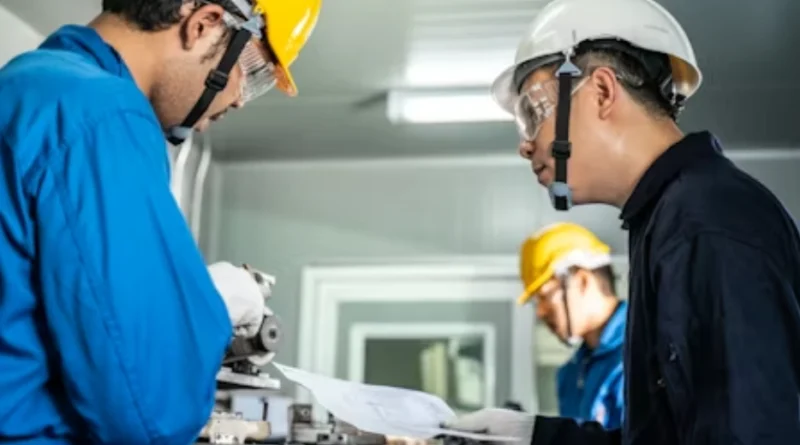
What Makes A Vertical Machining Center Different From A Horizontal Machining Center
What Defines a Vertical Machining Center Compared to a Horizontal Machining Center?
When you look at a vertical machining center (VMC) and a horizontal machining center (HMC), the biggest difference shows up in how the spindle points and how each one deals with gravity and chip flow. Both types aim for accuracy. Yet, their setups fit different kinds of jobs and ways to work better.
Structural Orientation and Spindle Position
A vertical machining center stands out with its spindle pointing straight up. This setup lets the cutting tool come down from the top onto the workpiece. It works well for flat areas, molds, or pieces that need careful shaping. The upright design also makes lining things up easier. Gravity helps hold the workpiece steady on the table. On the other hand, an HMC has a spindle that points sideways. So, the tool cuts from the side. This fits best for tricky parts with many sides to work on.
Workpiece Setup and Accessibility
The open build of a VMC gives great views during setup and running. Workers can get to fixtures and tools without hassle. This cuts down time to get ready for small runs or test pieces. Such easy access makes VMCs common in shops that do varied jobs or switch tasks often. HMCs feel more closed off. They use rotary tables and pallet systems. These shine in lines where machines run on their own with little human help.
Cutting Approach and Gravity Effect
Gravity has a big say in how well the machining goes. In a VMC, chips build up near the cut spot. They drop down onto the work area. This might harm the finish if you don’t clear them fast with coolant or air. But in an HMC, gravity helps push chips away. They fall off naturally from the cut zone. This leads to better cuts and less wear on tools as time goes on. Think about a shop I know—they switched to HMCs for heavy jobs and saw tool life stretch by 20% just from better chip handling.
How Does the Machine Layout Influence Performance?
The way a machine is laid out affects speed, exactness, and total output. How the axes are set, how the table moves, and how solid the frame is all decide how well it tackles tough parts or big batches.
Axis Configuration and Table Movement
In many VMCs, the table stays put. The spindle shifts along axes like X, Y, and Z. This makes coding the machine simpler. However, it limits reaching all sides of a part. You often need to move it around. HMCs fix that with rotary tables. These let you cut multiple sides in one go. It boosts accuracy. All sides get done from one base point. For instance, in making car parts, this setup cuts errors from re-clamping.
Tool Path Efficiency and Cycle Time
Sideways setups in HMCs cut down time when the tool isn’t cutting. They allow work across axes at the same time. The rotary table flips parts fast without hands-on help. This shortens the full cycle a lot. Take automotive work, where doing the same thing over and over matters. An HMC keeps things moving smooth. That brings real gains in how much you get done. I’ve heard from factory folks that cycle times drop by half in some cases.
Machine Rigidity and Stability Under Load
HMCs usually offer better strength. The sideways spindle spreads out the push from cutting through the whole frame. This matters a ton in tough milling, like in plane parts or big molds. VMCs handle light work fine. But they might bend a bit under the same heavy push. In my experience from reading shop reports, this stability helps in jobs where you push speeds up to 10,000 RPM without shakes.
Why Is Chip Evacuation More Effective in Horizontal Machining Centers?
How you handle chips touches on tool lasting power and how good the part turns out. Removing chips from the cut area sets if heat piles up or if marks show on final passes. It’s not just theory—poor chip flow can scrap a whole batch if you’re not careful.
Gravity-Assisted Chip Removal
In an HMC, chips drop off on their own thanks to gravity pulling straight down from the cut face. This natural clean-up stops cutting over old bits. That’s a problem you see more in upright machines. It keeps heat steady near the tool end.
Coolant Flow Optimization
With spindles on the side, horizontal machines let coolant move easy around the tool and piece. Better flow pulls heat away quicker. This cuts down warping on exact parts. Shops often notice smoother finishes this way, especially on aluminum blocks.
Reduced Manual Cleaning Requirements
Good chip removal means less stop time to wipe things clean between runs. Workers spend fewer hours picking out junk by hand. That boosts how much you use the machine each day. It’s key when figuring if the big price tag pays back over time. One plant I recall saved hours weekly just from this.
In What Ways Do Productivity Levels Differ Between Vertical and Horizontal Systems?
What sets productivity apart in VMCs and HMCs comes from how much you can automate and how flexible the machining is. It’s not only about going fast. Other factors play in too, like setup ease in real shop floors.
Multi-Face Machining Capability
The top strength of an HMC is cutting many sides of a part in one hold. Rotary tables or pallet changers make it possible. This skips repeat clamping mistakes. It slashes time spent handling pieces. That’s huge in big production setups. For example, engine blocks get done faster without flipping them around.
Automated Tool Changing Systems
New horizontal machines often have big tool holders for hundreds of bits. These let the machine swap tools on its own. No need for a person to step in. It’s perfect for long jobs with different tools in a row. This keeps things running without breaks.
Cycle Time Reduction Through Simultaneous Processes
HMCs mix multi-axis moves with auto loading. They can do several tasks at once on various pieces or sides. This overlap trims the whole machining time versus step-by-step work in vertical ones. In high-volume spots, this adds up to way more output per shift.
How Do Space Requirements Affect Machine Selection?
Limited room on the floor often decides which machine fits your shop best. Each type trades off size, setup trouble, and how it flows with other gear. Sometimes, you have to squeeze things in ways you didn’t plan.
Footprint Considerations in Factory Layouts
VMCs take up less ground space with their tall, basic build. They slip right into small workshops or setup cells where every inch counts.
Installation Complexity and Infrastructure Needs
Setting up an HMC calls for solid bases. That’s because of the heavy metal parts and extras like pallet changers or chip movers. You also need to line them up just right. This keeps the turning axes true. It’s more work upfront, but worth it for steady runs.
Workflow Integration With Other Equipment
When tying in workflow with robots or auto handlers, think about pallet paths between spots. Horizontal setups often match conveyor lines better. Their load heights suit robot arms at a good reach level. This smooths the whole line, cutting wait times.
What Are the Key Differences in Maintenance and Operation?
Upkeep tasks vary a good deal between vertical and horizontal machining centers. It comes down to how easy it is to get at parts, how lube flows, and the control setups. Daily checks can make or break smooth days.
Accessibility of Components for Servicing
VMC builds let you check things with ease. You reach most parts through open doors or pull-off covers. Basic jobs like oiling the spindle or changing belts go quick. That’s unlike the boxed-in horizontal types.
Lubrication and Cooling System Management
HMCs depend on inside coolant lines that stay clear during long shifts. You have to watch them close. Clogs can cause hot spots or spotty lube on moving bits. Regular flushes keep them reliable.
Operator Training and Control Familiarity
Moving from a VMC to an HMC means extra learning. Horizontal controls add things like pallet planning software or tools for syncing axes. Basic workers might find these new at first. But once trained, they handle more complex flows.
When Should Manufacturers Choose One Over the Other?
Picking vertical or horizontal depends on what you aim to produce. It’s less about fancy features and more about matching your needs. Sometimes, a mix of both works in one shop.
Production Volume and Part Complexity Considerations
For small to medium runs with basic shapes—like brackets or flat plates—a VMC gives quick results at low cost each. But for tricky pieces that need work on many sides, like engine blocks, an HMC steps up. It cuts setups and boosts speed.
Investment Cost Versus Long-Term ROI Analysis
An HMC costs more to start because it’s more involved. Yet, over time, it often pays better. Steady output brings gains after months of use. Factories report payback in a year or so for busy lines.
Application Suitability Across Industries
Aerospace shops lean on horizontals to hold tight measures on detailed multi-side shapes. Mold makers, though, stick with verticals for close-up carving where watching each step counts. It’s all about the job at hand.
FAQ
Q1: What is the main difference between a vertical machining center and a horizontal one?
A: The main difference lies in spindle orientation—vertical centers have upright spindles suited for flat surfaces while horizontals feature side-mounted spindles ideal for multi-face operations.
Q2: Why do horizontal machines handle chips better?
A: Their orientation lets chips fall away naturally under gravity instead of piling up around cutters like in vertical setups.
Q3: Which type offers higher productivity?
A: Horizontals typically achieve higher throughput thanks to rotary tables enabling simultaneous multi-face machining within one setup cycle.
Q4: Are VMCs easier to maintain than HMCs?
A: Yes, because components are more accessible; operators can perform inspections without dismantling enclosures common on horizontals.
Q5: When should you invest in an HMC instead of a VMC?
A: Choose an HMC when producing complex parts at high volumes where reduced setups justify greater initial cost through long-term efficiency gains.
可能是 AI 生成