
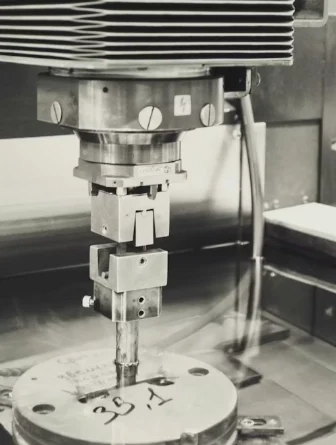
What Makes CNC Machining Centers the Core of Modern Manufacturing
What Defines CNC Machining Centers in Modern Manufacturing?
CNC machining centers stand as the top automated tools in today’s factories. They mix solid mechanics with smart digital commands. This setup lets you make tricky parts with steady exactness. In current plants, these machines act as key parts of a linked setup for making things.
Core Structure and Functional Composition
CNC machining centers blend mechanical parts, electrical bits, and control setups for hands-off exact making. The main frame gives strong support. Servo motors and ball screws handle accurate moves. The control part reads set instructions. It guides tool routes and spindle turns. In a usual arrangement, the spindle works as the main power source. It turns motor energy into cutting force. Picture it like a band where every piece—mechanical or electronic—works together smoothly. This teamwork hits tiny precision levels, down to microns. I recall a shop where this harmony cut setup time by half on a batch of gears.
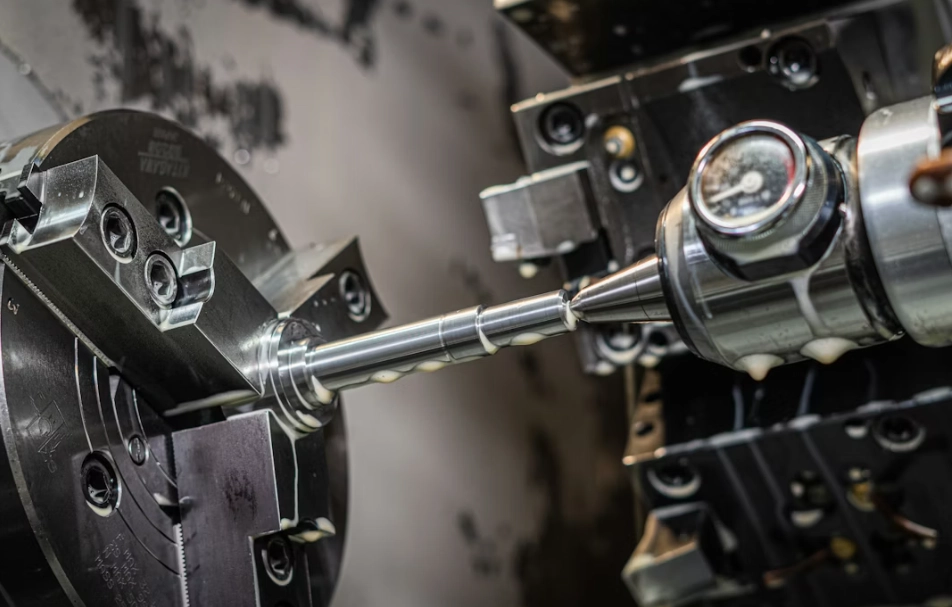
Key Technological Characteristics
Today’s CNC machining centers have smart control boxes that handle thousands of code lines each second. They offer multi-axis options, usually three to five axes. This allows moves at the same time for detailed shapes. Fast spindles over 20,000 RPM help get smooth finishes on tough stuff. Add in auto tool swaps and smart feed adjustments. These cut down on people stepping in. They keep quality steady for big runs. For instance, in a real job, one center finished 500 aluminum parts with zero rejects, thanks to that speed.
Role in Industrial Automation
In factory automation, CNC machining centers form the base for digital lines. They link old-school cutting with clever making. Sensors, network links, and live data gathering tie in. This setup lets machines talk easily to company systems. It supports fixes before breakdowns and flexible plans. These are must-haves for shops ready for Industry 4.0. Think of a plant where data from one machine flags a tool issue early, saving hours of stoppage.
How Do CNC Machining Centers Enhance Production Efficiency?
The speed boosts from CNC machining centers come from keeping steady quality at fast output rates. Automation handles key tasks. This cuts human mistakes and speeds up cycles. In practice, a team might shave days off a project deadline this way.
Precision and Repeatability in Operations
Auto controls guarantee even accuracy over huge batches. After checking the program, every next piece matches the first within tiny tolerances. This evenness cuts waste and fix-up costs. It’s a big win with pricey metals or tight timelines. For example, in auto parts, this means fewer bad engines from small errors.
Multi-Process Integration Capability
A big plus of CNC machining centers is doing several jobs—milling, drilling, tapping, boring—in one go. This cuts setup waits and tool switches. It also boosts match-up between steps. Take an airplane bracket. It used to need three machines. Now, one center does it all without moving the piece. That saves real time, maybe 30% per part in a busy line.
Real-Time Monitoring and Optimization
Sensors built into new machines watch spindle load, shakes, and heat changes while running. Link them to data tools. This spots tool wear or odd shifts early. Feedback over time helps tweak cycle speeds and tool lasts. In one case, a factory used this to stretch tool life from 100 to 150 hours, just by watching patterns.
Why Are CNC Machining Centers Considered the Backbone of High-Precision Industries?
Top exact industries count on CNC machining centers a lot. No other gear mixes accuracy, bendability, and output so well. They handle jobs where a hair’s width matters, like in medical tools or plane parts.
Application in Aerospace and Automotive Manufacturing
In plane making, bits like turbine blades or frame ribs need wild shapes with tiny gaps under a millimeter. Car engine blocks want straight bores over thousands of copies. Only strong CNC setups manage this well. They keep track of each piece too. Picture a shop turning out 1,000 blocks a week, all spot-on without mix-ups.
Compatibility with High-Performance Materials
CNC machining centers build to deal with tough stuff that stumps regular tools—titanium for plane bodies, carbon mixes for race cars, or hard steel for shapes and casts. Their tough build and move fixes stop heat twists in long jobs. This reliability shines in runs that last days, keeping parts true.
Contribution to Quality Assurance Standards
Built-in check tools like touch probes or laser scanners measure right on the table. They match sizes to design files live. This fits rules like ISO 9001 or AS9100. No need to pull the part out. In a real audit, this cut check time by 40%, making compliance smoother.
What Are the Main Types of CNC Machining Centers?
Various CNC machining centers fit certain making needs. They differ by setup and axis plans. Picking the right one can make or break a project’s flow.
Vertical Machining Centers (VMCs)
VMCs put the spindle straight above the work. They shine at exact flat work where reach matters—for mold insides or even panels. Workers like the open style for loading pieces and watching setups. It’s straightforward, and in small shops, this ease speeds daily tasks.
Horizontal Machining Centers (HMCs)
HMCs set the spindle side-to-side on a turning table system. This lets them cut many sides in one round. The style helps clear chips in heavy cuts, like for engine blocks or gear boxes. Heavy industry folks swear by them for rough jobs that build heat fast.
Five-Axis Machining Centers
Five-axis machines add turns on two extra paths past X-Y-Z shifts. This lets them shape complex forms like fan wheels or bone implants at once. It slashes fixture changes big time. That’s key when exactness meets speed needs. I’ve seen one handle a tricky medical part in half the steps of older gear.
How Do Control Systems Influence CNC Machining Center Performance?
Any CNC machining center’s work hinges on its control setup—the main thinker for moves and signals. A good one turns potential into real results.
Evolution of Numerical Control Technology
Old numerical control used tape with holes for orders. Now, smart AI controls tweak settings live while cutting. This shift changed fixed steps into quick choices that fit real spots, like tool bends or stuff hardness. It’s like the machine learns on the fly, adapting to surprises in a run.
Integration of CAD/CAM Software Systems
Smooth info pass from design (CAD) to making (CAM) stops mix-ups between steps. Change a 3D shape in CAD. Tool paths update right away for the job. This keeps sizes matching all through. In teams, this flow cuts errors that used to sneak in from hand notes.
Role of Servo Drives and Feedback Mechanisms
Servo drives turn signals into exact moves. Sensors send back real spots to the boss unit. This loop keeps the spindle steady even at quick feeds over 10 m/s. It’s vital for fast milling today. Without it, high speeds would wobble things out of line.
What Challenges Do Manufacturers Face When Implementing CNC Machining Centers?
These machines impress with tech, but bringing them in has hurdles. Makers need smart plans to tackle them. Sometimes, the learning curve surprises even pros.
High Initial Investment Costs
Top gear costs a lot up front. Not just the buy price, but setup like power boosts or cool rooms. Still, gains in less stops and less scrap pay back over time. A mid-size shop might see return in two years on a big buy.
Skilled Operator Requirement
Automation cuts hands-on work, but pros are still key for code writing, tool picks, and fix-ins. Training on software and machine know-how unlocks full power. Without it, the machine sits underused, which happens more than you’d think in new setups.
Maintenance and System Upgrades
Steady checks keep shapes true over years. Software tweaks match new design tools or talk standards like MTConnect. Routine care for oils or bearings holds top work. Skip it, and small issues grow—I’ve heard of spindles failing early from ignored vibes.
How Will CNC Machining Centers Evolve with Industry 4.0?
Future CNC machining centers will get sharper, more linked, and greener. This matches big changes in making toward digital ways. It’s exciting to watch, though rollout varies by shop size.
Integration with Smart Factory Ecosystems
IoT links let each machine share status non-stop to main screens. Access them from afar on cloud spots. Smart guesses spot part breaks ahead. This slashes surprise halts. In a connected line, one machine’s alert can pause others safely, saving big.
Adoption of Artificial Intelligence in Process Control
Learning models study past cut info to guess best speeds or turns live. They build smarts from job after job. Machines get better at cutting without people tweaking. It’s like experience without the years, speeding up tweaks in fast-paced fields.
Expansion Toward Sustainable Manufacturing Practices
Low-energy drives cut power use per piece. Brakes that save motion energy feed it back as power. Twin digital tests check steps on screen first. This trims waste. Green makers worldwide push this, cutting costs and helping the planet—one part at a time.
FAQ
Q1: What distinguishes a cnc machining center from a traditional milling machine?
A: A cnc machining center integrates automated tool changers and computer-controlled movements across multiple axes, whereas a traditional mill relies heavily on manual adjustments between operations.
Q2: How many axes do standard cnc machining centers typically have?
A: Most standard models operate on three axes (X-Y-Z), but advanced configurations include four- or five-axis systems capable of simultaneous multi-directional cutting paths.
Q3: Can cnc machining centers handle composite materials?
A: Yes—they’re designed with adaptive speed controls and specialized tooling suited for composites like carbon fiber reinforced polymers without delamination issues common in manual setups.
Q4: What industries benefit most from using cnc machining centers?
A: Aerospace, automotive, medical device manufacturing, mold making industries benefit most due to their need for high precision parts produced consistently under strict tolerances.
Q5: How often should calibration be performed on cnc machinery?
A: Typically once every six months depending on usage intensity; however critical tolerance applications may require quarterly checks using laser interferometers or ball-bar testing methods.