
What Are The Key Surface Finish Techniques Driving Modern Manufacturing
The Comprehensive Guide to Surface Finish Techniques, Standards and Applications
Surface finish techniques matter a lot in today’s manufacturing. They affect how a product looks. They also impact its strength, how long it lasts, and how much it costs to make. Engineers and experts need to know these techniques well. This helps them meet exact needs for function and follow industry rules. This guide looks at the main parts of surface finishing. It covers ways to do it, how to measure it, global standards, and real uses in different fields.
What Are Surface Finish Techniques?
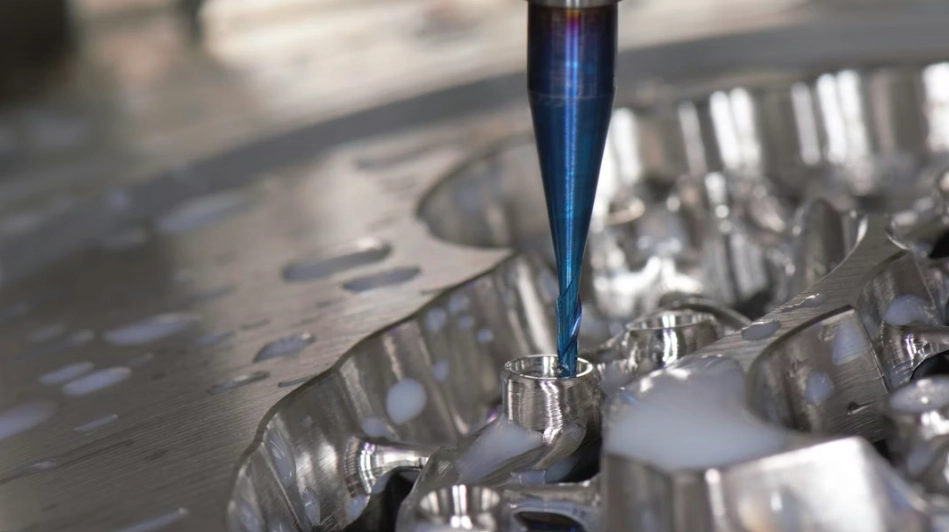
Surface finish techniques mean the steps taken to change or improve the texture on a material’s surface. These steps can make the material tougher against wear. They can cut down on rubbing. They can help coatings stick better. Or they can just make things look nicer. You see them in many places, from airplane parts to tools used in surgery. Picking the right technique depends on the material. It also depends on what the part needs to do and how many you plan to make.
Common Types of Surface Finish Techniques
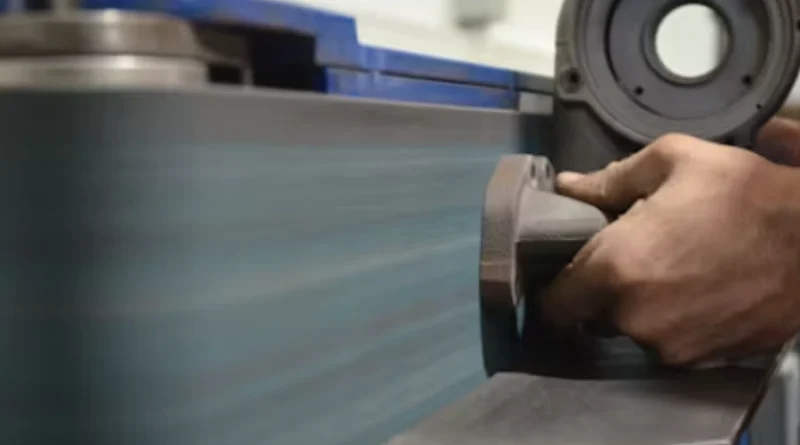
Many finishing methods get used a lot in various fields. For example, machining finishes like turning or milling make clear patterns. You can measure these patterns with roughness numbers. Grinding gives better control over the texture. It also keeps dimensions accurate. Polishing and buffing create shiny surfaces like mirrors. People use these for things that need to reflect light or just look good. Chemical treatments, such as anodizing or passivation, change the surface chemistry. This boosts protection against rust. Newer options, like laser texturing and electro-polishing, work well for exact work in engineering. In my experience from factory floors, laser texturing has really helped with custom parts for small runs—it’s quick but needs skilled operators to avoid uneven spots.
Functional Purposes of Finishing
Each technique has a clear job that goes beyond looks. A smoother surface can lower rubbing in parts that move. It can also stop germs from sticking on medical tools. On the other hand, a rougher texture might help things stick together. For instance, it aids when you put on paint or glue. In tough spots, like turbine blades or car pistons, a set roughness level helps with strength against repeated stress. It also holds oil for better sliding. Think about a car engine: without the right finish on pistons, you’d hear more noise and burn fuel faster—I’ve seen that in older models during repairs.
How Are Surface Finishes Measured?
You need good ways to check surface quality before picking a process. Most times, people use numbers to describe the roughness of the surface.
Roughness Parameters
The usual measure is Ra, or arithmetical mean roughness. It takes the average of ups and downs from a center line over a set distance. Other measures, like Rz for average peak-to-valley height, or Rt for the full height of the ups and downs, give extra details on the texture. Tools like optical interferometry and contact profilometers help with these checks. In practice, a profilometer might show Ra at 0.8 micrometers for a milled part, which is common for general machinery but too rough for something like a phone screen.
Visual Inspection and Comparison Standards
Sometimes, especially on the production line, looking and comparing to sample plates works better than full measurements. These plates show known surface levels from certain machining steps. Trained workers can check quickly this way. It’s handy for spot checks, though it relies on the person’s eye—I’ve noticed variations between shifts if lighting isn’t consistent.
What Are the Key Surface Finish Standards?
Surface finish standards help keep things the same in worldwide supply chains. They set rules for how to measure and report the surface texture.
ISO and ASME Standards
ISO 4287 and ISO 1302 explain terms and symbols for showing surface texture on drawings. ASME B46.1 offers similar rules, popular in North America. Both cover roughness measures like Ra, Rq for root mean square roughness, and more. They also describe waves or the direction of the texture lines. These standards make it easier for teams across countries to understand specs without confusion.
Industry-Specific Requirements
Various fields add their own rules based on what they face daily. In aerospace, parts follow tight limits because of how they handle repeated stress. Semiconductor work needs surfaces smooth to the nanometer level. Medical devices have to meet FDA rules for clean surfaces, plus tight shape tolerances. For example, in chip making, even a tiny bump can ruin a circuit, so they aim for under 1 nanometer flatness.
Which Factors Influence Surface Finish Quality?
Even with set methods, several things can change the end result of a finishing job.
Material Properties
Tough materials like titanium or hardened steel handle scraping differently than soft ones like aluminum or brass. The tiny structure inside the material decides how it acts under cutting or chemicals. Brass, for instance, polishes up fast but scratches easy if you push too hard.
Process Parameters
The speed of feed, shape of the tool, use of coolant, and cutting speed all shape the texture in machining. For polishing or grinding, the size of the grit in abrasives sets how smooth you get. Adjust the feed rate down, and you often see Ra drop from 1.6 to 0.4 micrometers— that’s a trick I’ve used to meet specs on deadline.
Environmental Conditions
Changes in temperature can make parts or tools expand, throwing off alignment. Moisture in the air might mess with chemical steps like plating or anodizing. In humid shops, anodizing aluminum can get spotty if you don’t control the air flow.
Applications of Surface Finish Techniques Across Industries
Surface finishing shows up in almost every field where accuracy counts.
Aerospace Engineering
Parts in aircraft engines depend on careful finishes to improve air flow and how long they last under stress. Turbine blades often get superfinishing. This is a fine abrasive method that cuts stress spots without changing the shape. In jet engines, this can add thousands of flight hours before checks—real data from airlines shows it.
Automotive Manufacturing
Car parts like pistons, crankshafts, and gears need set roughness levels. This holds oil well and cuts noise. Shiny chrome plating stays common for outside bits. It reflects light and fights rust. On a truck bumper, that chrome might last 10 years in salty roads without pitting.
Medical Device Production
Implants for the body need very smooth surfaces. This lessens irritation to tissues and keeps things safe for the body. Electro-polishing on stainless steel tools for surgery clears tiny edges that might hold dirt. A hip replacement with Ra under 0.1 micrometers feels smoother in tests and heals better, per surgeon feedback.
Electronics and Semiconductor Fabrication
For wafers in semiconductors or lenses for optics, extreme smoothness helps light pass right and circuits work well. Chemical-mechanical planarization, or CMP, gets used a lot. It achieves flatness down to nanometers. In phone chips, this step ensures no defects that could cause failures in billions of devices yearly.
Emerging Trends in Surface Finishing Technology
As making things moves to more exact and green ways, fresh tech keeps changing old habits.
Automation and Digital Control
Finishing systems tied to CNC let you tweak settings on the fly with sensor input. This cuts mistakes by people. It boosts the same results in big batches. Imagine a robot arm polishing gears— it hits the same spot every time, saving hours over hand work.
Eco-Friendly Processes
Compounds for polishing that use water and baths without bad chemicals take over from old solvent types. They lower harm to the planet but keep the quality up. Switching to these has helped shops cut waste by 30% in some cases, based on reports from green certifications.
Additive Manufacturing Post-Processing
Metal parts from 3D printing need special finishing. Things like abrasive flow machining or laser remelting remove rough layers from printing. They keep the part strong. For a 3D-printed rocket nozzle, this smooths it to fly-ready levels without cracking under heat.
FAQ
Q1: What is the main difference between Ra and Rz measurements?
A: Ra checks the average roughness over the length of a profile. Rz looks at the average height between peaks and valleys. This makes Rz better at spotting single flaws on the surface.
Q2: Why do aerospace components need extremely fine finishes?
A: Fine finishes cut down on air drag. They also lower stress points that might cause breaks from repeated loads. This is key in flying, where parts face cycles of pressure.
Q3: Can surface finish affect coating adhesion?
A: Yes. Some roughness levels help by locking the base and coating together mechanically. This boosts how well they stick.
Q4: What’s the typical range of Ra values for polished stainless steel?
A: Polished stainless steel usually has Ra from 0.05 µm to 0.2 µm. It varies by what it’s used for, like clean standards in food gear.
Q5: Are there digital tools available for automated surface inspection?
A: Yes. New optical profilers with AI for image checks can spot issues from set texture levels. They work right in the production line for quality control.