
What Factors Define Sand Casting Surface Finish And Roughness Levels
Sand Casting Surface Finish Explained: What Roughness Can You Expect?
Sand casting is an old method that people have used for hundreds of years. It helps make metal parts in all kinds of sizes. Think of detailed engine pieces or big heavy items for factories. Experts often talk about one main feature: the sand casting surface finish. This finish’s roughness plays a big role in how long it takes to machine the part. It also affects how well it holds tolerances. Plus, it can influence the strength of the part against repeated stress. In this piece, we look at the kind of finish you might get from sand casting. We cover what shapes it. And we compare it to other ways of casting.
What Is Sand Casting Surface Finish?
When you pour hot metal into a sand mold, it cools and hardens there. The outside layer picks up the feel of the sand inside the mold. So, you end up with a surface that might look fairly even or quite bumpy. It all depends on the sand type and what holds it together. In real work, people measure this bumpiness with Ra, which stands for Roughness Average. They use units like micrometers (µm) or microinches.
For most jobs, a common sand casting surface finish runs from 6.3 µm to 25 µm Ra in green sand molds. But you can get better results, around 3.2 µm Ra, if you use resin-coated sands or shell molds. These levels work well for lots of machine parts. For those, looks matter less than how they work. Still, if you need closer fits or even surfaces, you add steps like machining or polishing later. I’ve seen shops where they skip extra work because the basic finish does the job just fine.
What Factors Affect Sand Casting Surface Finish?
A few things in the process change how even or bumpy your cast surface turns out. These include the mold’s material, the size of its grains, the binder that sticks it, the heat of the pour, and the shape’s state. Each one can tip the balance one way or the other.
Mold Material and Grain Size
The small bits in the sand set how sharp the mold’s inside can be. Tiny grains make smoother outsides. They copy the shape’s details better. They also cut down on empty spots where metal meets mold. Bigger grains cost less money. But they leave clear marks from the texture. That often means you have to clean up the part after.
Take silica sand as an example. If its average grain fineness number (AFS) is over 100, the castings come out much smoother than with AFS 50. Finer sands do pack tighter. Yet they let less air through. That raises the chance of gas problems if you don’t add vents. So, you always weigh the good finish against the risk of flaws. In my experience from factory visits, folks pick based on the part’s end use—like for a simple bracket, coarser works okay.
Binder Type and Mold Hardness
Binders like clay for green sand or resins for shell molding keep the sand bits in place while you pour. Sands with resins make molds that are tougher. They hold sizes better than old clay setups. This strong hold cuts down on wear from the hot metal rushing in. It stops bits of junk from getting stuck, which would make the surface worse.
Resin types give you that edge in everyday runs. They don’t crumble as easy under heat. But clay is still popular for big batches because it’s cheap and simple to mix.
Pouring Temperature and Metal Flow
Pour the metal too hot, and it eats into the mold sides. Or it sticks sand bits right into the skin of the part. Pour it too cool, though, and it might not fill every corner. That leads to weak spots or bad copies of the shape. Skilled workers in foundries keep the pour heat just right for each metal type. For aluminum mixes, they aim for 700°C to 750°C. This lets it flow well without harming the surface too much.
Temperature control isn’t always perfect. Sometimes a slight misread means extra cleanup. But good teams use tools to check it close.
Pattern Condition
If the pattern is beat up or not smooth, it passes those flaws straight to each part you make. Clean patterns from shiny metal or plastic give top-notch finishes. Wooden ones with wood lines show up more on the cast.
Patterns take a beating over time. So, checking them regular helps keep quality steady. A fresh one can make all the difference in a long production run.
How Does Sand Casting Compare With Other Processes?
Different casting ways give different levels of evenness on the surface. Sand casting lets you make all sorts of shapes and sizes. And the tools don’t cost a ton. But its bumpiness is usually more than in careful methods like die casting or investment casting.
With investment casting, you can hit as low as 1.6 µm Ra. That’s because ceramic molds copy tiny details spot on. Die casting does about the same. But it sticks to lighter metals like aluminum or zinc. The high pressure limits it.
Sand casting wins for huge pieces where a bit of texture is no big deal. Picture pump bodies or bases for machines. Trying those in investment ways would cost way too much. It’s why shops still rely on it for heavy work. Not everything needs to be mirror smooth, right?
How Can You Improve Sand Casting Surface Finish?
You can tweak things in the usual setup to get a better texture. And it won’t break the bank. Here are some practical steps that foundries use all the time.
Using Finer Sands
Move from rough silica to zircon or chromite sands. These hold up better to heat. And they give smoother results. They stop the metal from pushing into the sand more than plain silica does.
Finer options aren’t always the first pick. They cost a bit more. But for parts that face wear, like gears, it’s worth it. One shop I know switched and cut their finishing time in half.
Applying Mold Coatings
Many places put on special coatings. These are thin layers of heat-proof stuff, like ceramics. You brush or spray them inside the mold. They make the surface smoother. And they block sand from sticking during the pour. The coating acts like a shield between the hot metal and the grains. It also handles the heat as the metal sets.
Coatings add a step, but they save hassle later. Without them, you might see more sand lumps to grind off.
Controlling Pouring Conditions
Keep the pour steady. That stops wild splashes that could scrape the mold. A smooth, even flow cuts down on dirt bits. It leads to cleaner outsides. And you spend less time fixing after.
Steady pours take practice. But once dialed in, they make the whole process smoother. Turbulence is the enemy here.
Post-Casting Treatments
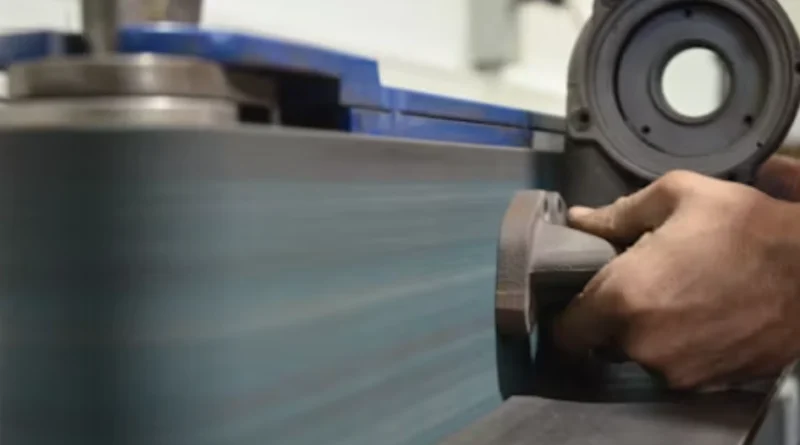
After the metal hardens, you can blast it with shots, tumble it, grind it, or clean it with chemicals. These knock off leftover crust or stuck sand. For key parts, like those in water systems or plane gear, extra machining sets the sizes right. It also makes them look better.
Not every part needs all that. Sometimes a quick blast does enough. It depends on what the customer wants.
Why Surface Finish Matters in Performance?
The evenness of the surface goes beyond just how it looks. It changes how the part holds up under weight and use. Bumpy spots can start cracks easier when the load goes on and off. They also catch dirt that speeds up rust in wet spots.
A better sand casting surface finish cuts down on drag when parts rub together. Say, in valve setups. It also lets paints or metal covers stick even. That’s handy for protection.
In real life, I’ve heard engineers say a rough edge led to early failures in pumps. Smoothing it out fixed that. Little things like this add up in long-term jobs.
FAQ
Q1: What is the typical surface roughness for green sand castings?
A: Green sand castings usually have a surface roughness between 6.3 µm and 25 µm Ra depending on grain size and compaction quality. That’s the range most folks see in standard runs.
Q2: How does shell molding improve surface finish?
A: Shell molding uses resin-coated fine sands that create harder molds capable of reproducing finer details with less erosion during pouring. It just holds up better under the heat.
Q3: Can post-processing completely remove roughness from sand cast parts?
A: Yes, machining or polishing can achieve very smooth surfaces; however, these steps add cost and may not be necessary unless tight tolerances are required. For many uses, the as-cast is plenty good.
Q4: Does alloy type affect achievable surface finish?
A: Different alloys behave differently; aluminum typically yields smoother surfaces than steel because it flows more easily at lower temperatures without attacking mold walls aggressively. Steel can be trickier with its higher heat needs.
Q5: Why choose sand casting if smoother methods exist?
A: Sand casting remains cost-effective for large parts where minor texture doesn’t impact function—it balances flexibility with affordability better than most alternatives. Plus, it’s great for one-offs or prototypes without fancy tools.