

What Is Surface Roughness and How Does It Influence Functional Performance
What Is Surface Roughness in Engineering Contexts?
Surface roughness is one of those engineering details that often stays out of sight. You notice it on every cut part, shiny component, or covered surface. Yet, its effects go far into how materials act and how systems work. In machine design, making things, and the study of rubbing surfaces, managing surface texture matters as much as picking the best material or shape.
Definition and Concept of Surface Roughness
Surface roughness means the tiny, closely spaced bumps from making processes. It measures the feel of a surface with basic stats on height changes. These small ups and downs shape how two surfaces touch, share weight, or hold oil. When you check roughness, you map out a tiny world of hills and dips. This affects things like rubbing and how long parts last. The roughness shape is key for understanding touch rules and material links in many uses. Think of a wind turbine blade or a body implant—they both rely on this.
Key Parameters Used to Describe Surface Roughness
A few measures help describe surface roughness. Ra, or average roughness, shows the basic average shift from the center line. Rz looks at the average top-to-bottom height over sample spots. Rt grabs the full height gap between the tallest top and deepest dip in a line. Each one shares a bit of the surface story. Engineers pick these based on what the part needs to do. Ra works fine for looks checks. But Rz fits better for tight seals where tall bumps count more than just averages. In practice, I’ve seen teams switch parameters mid-project to match real-world tests.
Relationship Between Surface Texture and Manufacturing Processes
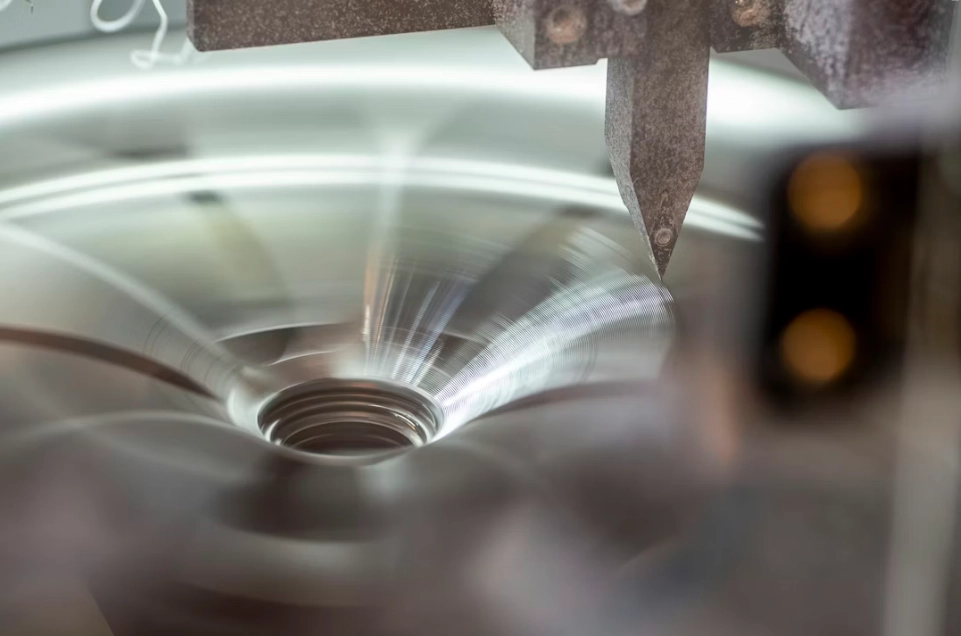
Each way of making leaves its mark on a surface. Cutting leaves straight lines. Grinding makes even, all-around patterns. Polishing wipes out bumps for a glass-like shine. Adding a coat brings its own tiny feel. Things like how fast you feed the tool, if the tool is worn, cutting pace, and water flow all shape these feels. A slower feed makes things smoother. But it costs more time and money. Engineers link these steps with the final surface to adjust making for good work and low waste. For example, in car engine parts, tweaking feed rate by just 10% can cut roughness in half without extra tools.
How Is Surface Roughness Measured and Evaluated?
Checking surface roughness goes beyond a fast scan. It means getting data that shows real use. Picking between touch methods or no-touch ways depends on the part’s shape, what it’s made of, and how exact you need to be. Sometimes, folks debate which tool fits best for odd-shaped pieces.
Contact-Based Measurement Techniques
Stylus profilometers are still a top choice for checking surface roughness. A pointy diamond tip slides along a line on the part. It notes small height shifts. This way gives great detail. But the tip’s shape limits it. Deep dips might get missed. And there’s a small chance of scratching soft spots. After gathering the info, programs turn the traces into standard numbers like Ra or Rz. They follow set sample lengths. In a shop I know, they use these daily for quality checks on metal gears.
Noncontact Optical Measurement Methods
Light-based ways like interferometry, confocal microscopy, and laser scanning offer touch-free options for surface maps. These tools grab full 3D pictures without bumping the sample. That’s great for soft stuff or tiny detailed builds where touching would mess things up. They also speed up checks. Plus, the view tools make hard textures clear in 3D. Imagine scanning a phone screen coating—optical methods catch every layer without a mark.
Standards and Calibration in Roughness Measurement
World rules keep checks the same. ISO 4287 sets steps and terms for roughness checks. Setup checks match tools to known samples. This way, results match across places or lines. Following these builds trust in check systems. It helps makers hit what buyers want. One factory I heard about saved big by standardizing to ISO—fewer rejects and happier clients.
Why Does Surface Roughness Matter in Functional Performance?
Surface roughness takes part in how parts handle real work. It sways rubbing, tiredness strength, and how well covers stick.
Influence on Friction and Wear Behavior
When two surfaces rub, small bumps touch first. More bumps mean more locking. This boosts rub levels. But it also ups wear from scraping or sticking. Still, smart textures hold oil well. They make steady layers that cut wear in wheels or teeth. In bike chains, a bit of roughness keeps grease in place longer than too-smooth ones.
Impact on Fatigue Strength and Structural Integrity
Surface bumps focus stress spots. Cracks from repeated pulls often start there. A even finish spreads pull better. It slows crack starts and lengthens use. That’s why plane parts get polished or peened. These fix tiny shapes and boost tiredness strength. They don’t change the main material. For jet engines, this means flying safer for thousands of hours.
Role in Adhesion, Coating, and Sealing Performance
The best texture helps sticking by giving holds for covers or glues. Too even a surface weakens bonds. There’s less grab space. But too bumpy traps air that hurts seal tightness. Matching texture levels gives the best hold. This works for car paint or high-push seals. In plumbing, the right roughness stops leaks without extra tape.
How Does Surface Roughness Affect Fluid Interaction and Flow Dynamics?
In wet setups like pipe lines or oil films, how fluid moves over texture matters a lot.
Influence on Boundary Layer Formation in Fluid Flow
Tiny bumps change speed shifts near hard edges. They stir up smooth flow areas. More bumps can start swirls at lower flow speeds than on flat walls. For computer flow models, real shape data must go in. Don’t guess flat surfaces. In river pipes, roughness from rust can double drag, slowing water by 20%.
Effects on Lubrication Regimes in Mechanical Systems
Surface feel sets if moving parts use edge oil (bumps touch most), half oil (some cover), or full flow oil (no touch). A good bump pattern keeps oil layers under changing weights. That’s key for motors or gear boxes with quick shifts. Truck axles last longer with tuned roughness that holds lube during turns.
Implications for Corrosion Resistance in Fluid Environments
Bumpier spots hold water or dirt in dips. This speeds rust over time. Even finishes cut spots for electric reactions. They shrink cracks where salts build. Picking right finishes lengthens life in tough fluids like sea water. Boat hulls with smooth coats resist barnacles and rust better, saving paint costs yearly.
What Are the Methods to Control or Modify Surface Roughness?
Makers handle surface feel with care in cutting steps and fixes after.
Process Optimization Through Machining Parameters
Changing cut speed, feed pace, cut depth, or tool shape changes finish feel. Fast milling with new hard tools makes steady feels for exact fits like fuel sprayers or seat valves. Watching shake levels stops bad marks in long runs. In a tool shop, they adjust speeds to hit Ra under 1 micron without breaks.
Postprocessing Techniques for Surface Enhancement
After cutting, refine it. Polishing clears tool lines. Lapping makes super flat. Honing fixes round accuracy. Chemical baths change tiny shapes without push stress. Shot peening adds dimples on purpose. These boost tiredness fight by pressing in good stress. Here, bumpier can mean stronger. For car springs, peening doubles life cycles.
Material Selection and Its Effect on Achievable Roughness
What a thing is made of sets what finish you can get. Tough mixes fight bending in cuts. But they wear tools fast, leading to rougher feels unless you adjust. Small-grain steels give smoother ends than cast ones with bits that mess paths. Steel rods polish to mirror shine, while aluminum needs extra steps for the same.
How Is Surface Roughness Characterized in Modern Research?
Today’s studies go past straight lines to full 3D views with computer help and smart tools. It’s exciting how fast this field grows.
Use of 3D Surface Metrology for Detailed Analysis
3D tools grab area data, not just lines. They show how bumps link over big spots. Area measures like Sa give average height for the whole feel. This beats old Ra alone. View programs spot one-way patterns that guess rub directions. In tire research, 3D scans reveal how tread bumps grip wet roads differently.
Integration of Digital Simulation With Experimental Data
Computer runs guess how steps shape the top before real tests. This saves setup time. Mixing real data with runs sharpens guesses. So, teams predict shape changes under pulls, not just fix later by feel. For new drill bits, sims cut trial runs by 30%, hitting targets faster.
Application of Machine Learning in Roughness Prediction
Smart programs read machine sensors to guess end feels during runs. Models from old data spot issues early for fixes on the fly. This keeps work in bounds without hand checks each time. In big plants, this means fewer bad parts and steady output. One auto maker uses it to predict finishes within 0.5 microns.
How Can Understanding Surface Roughness Drive Innovation?
Learning about surface roughness has grown from fixing flaws to sparking new ideas in fields from plane making to tiny tech work.
Development of Functional Surfaces With Tailored Properties
Planned tiny feels add special acts. Water-repel covers copy plant leaves. Shine patterns boost light use. Life-like lines help cells stick on body parts. Tiny build tech lets control at small scales. It ties clear gains to planned shapes. Shark-skin textures on plane wings cut fuel use by 8% in tests.
Role in Additive Manufacturing Quality Improvement
Building layer by layer adds step feels from hot spots in prints like selective laser melting (SLM). After fixes like laser heat smooth layers. They keep shape truth for strong parts in planes or bone fixes. In 3D-printed rocket nozzles, smoothing ups flow without weak spots.
Impact on Emerging Fields Such as Nanotechnology
At tiny sizes, even atom bumps sway power flow or spark acts way more than big views. Set nano-bumps help feel in life sensors. There, electron moves rely on atom setups on plates. Nano-rough chips detect diseases faster, changing medical checks.
FAQ
Q1: What is the main purpose of measuring surface roughness?
A: It quantifies small deviations on a material’s exterior that affect frictional behavior, wear resistance, sealing capability, and visual appearance across engineering applications.
Q2: Which parameters best describe overall texture?
A: Ra provides average deviation information while Rz reveals mean peak-to-valley height differences giving complementary insight into both average smoothness and extreme irregularities present along profiles.
Q3: Why choose optical over stylus measurement methods?
A: Optical techniques avoid physical contact preventing damage especially important when evaluating soft polymers thin coatings delicate electronics components requiring noninvasive inspection approaches instead of tactile probing methods.
Q4: How does machining speed influence final finish?
A: Higher speeds generally reduce built-up edge formation producing finer finishes though excessive speed may induce thermal damage requiring balance between productivity goals versus desired texture outcome consistency levels achieved repeatedly during operation cycles.
Q5: Can controlled roughness improve product performance?
A: Yes certain applications benefit from intentional texturing such as lubricant retention grooves within bearing races adhesive anchoring features beneath coatings ensuring reliable functional performance over extended service lifetimes despite challenging operating environments encountered daily industrially worldwide.