
What Is The Key Difference Between Surface Roughness And Surface Finish
What Is Surface Roughness in Engineering?
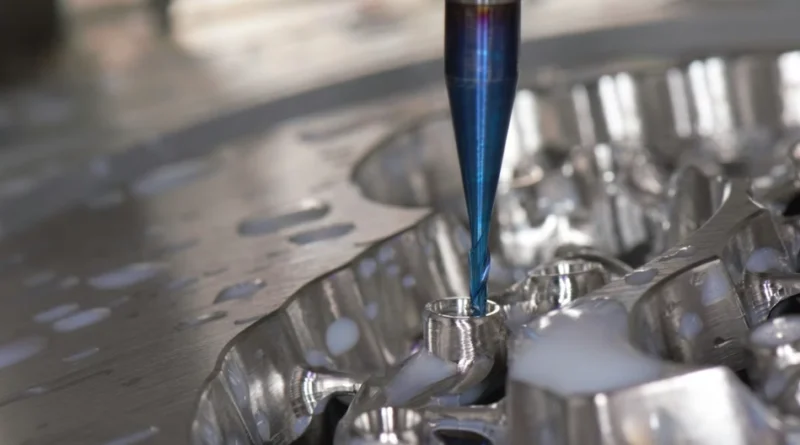
In precision engineering, surface roughness sits at the core of checking and managing the quality of machined parts. It shapes not only the look of a surface but also how it holds up under mechanical stress, friction, and wear. When you machine or grind a component, tiny variations can decide if it works well or breaks too soon. I recall working on a project where small bumps on a gear led to early failure, which taught me how vital this is.
Definition and Measurement Parameters
Surface roughness means the tiny, closely spaced bumps on a machined surface from the making process. These small ups and downs get measured with values like Ra for average roughness, Rz for average peak-to-valley height, and Rt for total height of the profile. To measure, you compare the real surface shape to a perfect straight line. This often happens by running a stylus over the surface or using light-based sensors. Engineers usually use Ra for basic checks. But Rz shows more about the big peaks and valleys. Those can impact sealing or how long the part lasts under stress.
Factors Influencing Surface Roughness
A few things affect roughness during machining. The shape of the tool decides how the cutting edges meet the material’s grains. Feed rate and cutting speed change how chips form and how much heat builds up. Material traits, like how hard or bendy it is, matter a lot too. The setup around the machine plays a part as well. Bad lubrication or old tools raise roughness. This comes from extra rubbing heat or small tears on the workpiece. Vibration from a shaky setup can add repeating marks. Those marks mess up the evenness of the texture. In one shop I visited, a loose spindle caused wavy lines on parts, forcing a full redo.
Importance of Controlling Surface Roughness
Keeping roughness steady helps with exact sizes and steady work over time. A smoother surface cuts down on friction and wear between parts that touch. This makes them last longer. On the flip side, too much roughness speeds up breaks from fatigue. That’s due to stress bunching up in spots. Controlled texture boosts how well coatings or glues stick. It does this by locking together better at the join. In systems like hydraulics or plane parts, where leaks can’t happen much, exact Ra control is key for safety and good work. Think of a car engine seal—if it’s rough, oil leaks out fast.
What Is Surface Finish and How Is It Defined?
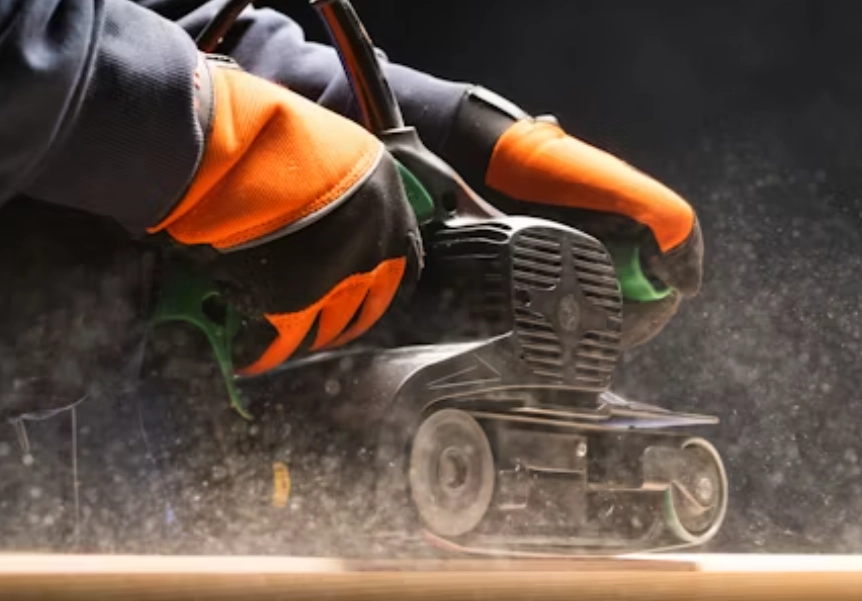
Surface roughness looks at tiny deviations up close. Surface finish takes in a wider view. It includes roughness, waviness, and the way patterns lie. This full picture helps check not just smoothness but also the direction and evenness of the texture after making.
Comprehensive Concept of Surface Finish
Surface finish stands for the full texture quality from processes like turning, milling, grinding, or polishing. It mixes small-scale bumps, called roughness, with bigger waves and pattern directions, known as lay. The lay shows the direction of tool marks compared to the part’s shape. This matters in spots that need to seal, where lines can hold fluid.
Methods for Achieving Desired Surface Finish
Various ways to finish depend on the material and what the part needs to do. Grinding wipes out tool marks for even small textures. Polishing smooths peaks to make things shiny. Honing fixes roundness in tube-shaped parts. Lapping gives a mirror shine for things like lenses. Each way weighs cost against how fine it can get. Mirror looks might need steps with smaller and smaller rough stuff, like going from 100 grit to 2000 grit over hours of work.
Evaluation Standards for Surface Finish Quality
Rules like ISO 4287 set exact ways to measure finish so places worldwide can compare. Tools such as light profilometers or stylus machines record 3D surface maps for real numbers. Steady ways to measure are crucial for the same results in batches. This is true especially when different makers supply parts for one big build. From experience, skipping this led to mismatched parts in an assembly line once.
How Do Surface Roughness and Surface Finish Differ?
Both terms talk about surface quality. But they vary in range and use. You can see roughness as just one part of the bigger surface finish picture.
Conceptual Difference Between the Two Terms
Roughness deals with small bumps from cutting work. Finish looks at the whole texture, adding waves and line directions. So, roughness fits inside the wider surface finish check.
Functional Implications of Their Differences
Different roughness or finish levels change how things work based on the job. High roughness adds drag in moving parts. But it can help paint stick better on cast items. A fine finish improves seals in valves or pumps. Smooth contact stops leaks there. Engineers weigh both based on what the design needs most. Sometimes, they pick function over looks to hold oil better. In engines, for example, a bit of texture traps lubricant, cutting wear by up to 20% in tests.
Practical Examples in Manufacturing Applications
In CNC machining, workers watch Ra for tech rules and looks for buyer wants. Plane turbine blades need very smooth finishes to cut air drag. Plastic molds for shots need some small roughness. This helps molded items pop out without sticking. I’ve seen molds with wrong texture jam up, wasting hours.
Why Does Surface Texture Matter in Precision Engineering?
Surface texture changes how parts act in mechanics, looks, and money over their life.
Impact on Mechanical Performance and Durability
Good texture spreads loads evenly on touch spots. This slows wear. Smooth spots cut stress points that start cracks from repeated use. In oiled setups like bearings or gears, some texture holds oil between faces. This raises trust in running. Real-world gears with 0.4 Ra last 50% longer than rough ones, per shop data.
Influence on Aesthetic and Functional Quality
Besides mechanics, how it looks ties to final smoothness from finishing. Shine affects how buyers see high-end items like car bits or doctor tools. Touch feel counts too. A rough medical handle might feel cheap, even if it works.
Relationship With Manufacturing Efficiency and Cost Control
Getting finer finishes means slower speeds or extra polishing. This bumps costs a lot. Engineers pick when more work pays off. Tools to plan processes help guess Ra within budget. One factory cut costs 15% by tweaking speeds without losing quality.
How Are Surface Roughness Measurements Performed?
Right measurement checks if parts meet plans before assembly.
Contact-Based Measurement Techniques
Stylus profilometers are common tools. They trace shapes along a line to note height changes down to tiny scales. These touch methods give sharp details. But they need good setup for the same results across tools or people. In busy shops, daily checks keep them accurate.
Noncontact Optical Measurement Methods
Laser scans or white light tools grab full 3D shapes quick without touch. This helps with soft stuff like plastics or thin covers that scratch easy from styluses. These setups fit into auto checks for ongoing watch during makes. They’re faster for big runs, saving time on delicate jobs.
Data Interpretation for Quality Assurance
After getting data, programs figure numbers like Ra for average bump or Rq for square root mean. You match these to set limits to see if fixes are needed. Same reading ways across groups aid better control over time. It’s like a feedback loop that tightens the process step by step.
What Role Do Finishing Processes Play in Enhancing Product Performance?
Finishing steps link rough cuts to final use. They often set if a part lives up to its time goal.
Mechanical Finishing Processes in Industry Applications
Grinding clears left-over marks from milling while keeping shapes true. Polishing smooths more for shine. Superfinishing makes very even textures for piston parts in fluids where oil hold is key. These steps turn okay parts into reliable ones.
Chemical and Electrochemical Finishing Techniques
Anodizing builds tough oxide skins to fight rust and even out colors on aluminum. Electropolishing melts tiny bumps evenly on steel for bright shines in clean gear. Chemical etching sets up stick for coatings later. Each adds layers of protection in real uses, like in food machines.
Integration of Finishing Processes Into Production Lines
New plants add auto finishing right into CNC flows. This way, every part comes out even within limits, no hand delays. Sensors watch changes live. They fix issues before problems spread. This smooths the whole line, cutting waste.
How Can Engineers Optimize Both Roughness and Finish in CNC Machining?
To mix accuracy with speed, tune settings smartly. Keep tools good through runs.
Process Parameter Optimization Strategies
Change feed rate to shift chip size, which tweaks Ra a lot. Spindle speed handles heat that affects material move at cuts. Depth changes wave from shakes, showing in patterns. Plan paths well to cut chatter for better smooth at fast paces. Simple tweaks like slowing feed by 10% can drop Ra from 1.6 to 0.8 µm.
Advanced Tooling Materials and Coatings
Carbide bits with titanium nitride coats cut rub, keeping edges sharp longer. Diamond coats shine on tough mixes like carbon fiber plastics, where normal tools wear fast from heat. Check tools often to stop bad finishes in mid lots. Good tools save money in long runs.
Implementation of Post-Machining Treatments
Small polishing clears hidden burrs for better seals. Abrasive flow pushes fine bits through insides to smooth walls in fuel parts. Ultrasonic wash pulls out bits for clean checks before send-off. These extras ensure parts meet specs every time.
FAQ
Q1: What’s the main difference between surface roughness and surface finish?
A: Roughness measures fine-scale irregularities while finish covers total texture including waviness and lay patterns—it’s essentially a broader evaluation framework encompassing roughness data too.
Q2: Why is controlling surface texture important?
A: Because it affects mechanical strength, wear resistance, lubrication retention, visual appeal, even manufacturing cost—all key factors determining product reliability over its lifetime.
Q3: Which measurement technique suits delicate materials best?
A: Noncontact optical methods like laser scanning prevent physical damage making them ideal for soft metals or coated components sensitive to stylus contact pressure.
Q4: How do finishing processes improve performance?
A: They refine geometry accuracy remove defects enhance corrosion resistance boost reflectivity strengthen coatings’ adhesion—all contributing directly toward longer-lasting efficient components.
Q5: Can CNC parameters alone achieve perfect finish?
A: Not always—while optimized feeds speeds help greatly post-machining treatments such as polishing or superfinishing are often necessary when specifications demand ultra-low Ra values below 0.1 µm.