
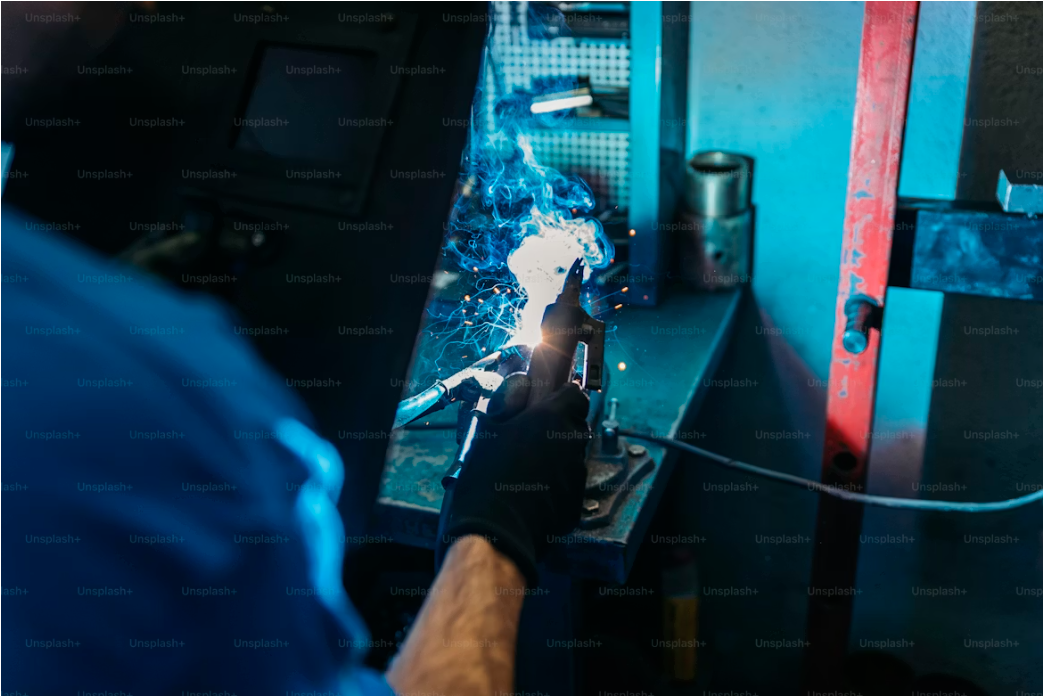
How Does a Laser Welding Machine Revolutionize Manufacturing in 2026
What Are the Key Features of Laser Welding Machines in 2026?
Laser welding machines in 2026 are changing industrial manufacturing with better precision, more automation, and stronger focus on sustainability. The tech has grown to fit stricter accuracy needs. It also works well with digital setups in production lines. These days, the main point isn’t just about welding fast. Instead, it’s about clever control setups and better care for the environment. For example, in a busy factory, you might see these machines handling tiny parts without a single mistake, which saves time and materials.
Advanced Precision Capabilities
Today’s laser welding machines offer accuracy down to the micron level. This lets you handle tricky shapes and thin stuff without any bending or warping. The beam control is sharp and clear. It keeps energy spread out evenly. That’s key for fields like making medical tools and small electronics. Plus, adaptive optics step in to fix the beam focus right away. They keep weld quality steady, even when conditions change a bit. Think about a lab where engineers join fragile circuits— this tech makes sure everything lines up perfectly every time.
Enhanced Automation and Integration
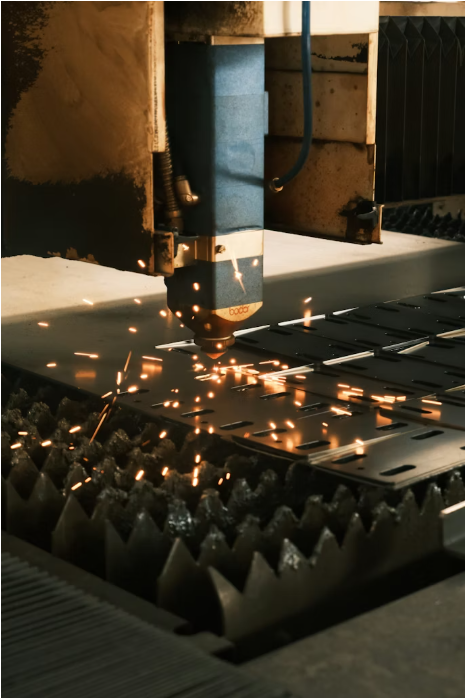
Automation in 2026 laser welding setups goes way past simple robot arms. These machines link up straight with factory software for full tracking of data. You can check weld details from afar. Adjust things on the spot. And link several machines through one easy screen. This smooth connection fits into smart factory spaces. There, people step in less, but they still keep a close watch. In real life, a team might use this to run a whole line without stopping, cutting errors by half.
Energy Efficiency Improvements
Saving energy is now a big part of how these machines are built. Fiber laser sources have taken over from older CO₂ types in most jobs. They use less power and turn more into useful work. Cooling setups are closed loops now. They reuse heat inside the machine. This cuts total energy needs by as much as 30%. These changes lower bills. They also help firms meet tough green rules. Interestingly, some plants report paying 20% less on power after switching, which adds up over a year.
How Do Laser Welding Machines Improve Manufacturing Efficiency?
The gains in efficiency from these new laser welding machines show up in every part of making things. They speed up the process. Cut down on waste. And make steps simpler. All this happens while keeping things steady and reliable.
Reduction in Production Time
Laser welding works much quicker than old arc or TIG ways. It starts up in a flash. So, no preheating or swapping electrodes. In auto setups, welds happen at the same time on different sides. This shortens the full build time a lot. For instance, a car part line might finish in hours what used to take days, boosting output without extra shifts.
Minimization of Material Waste
The laser beam is so exact. It cuts down on splashes and extra filler stuff. This means less fixing later. Fewer bad parts tossed out. In car making, where fits must be tight, this drop in scrap raises good output rates. One factory I heard about saved thousands in materials just by switching, turning waste into profit.
Streamlined Workflow Processes
Adding laser welding to your daily flow makes moving parts easier. Pieces go from cutting to joining without stops or cool-down waits. The digital links in these systems give quick reports on weld strength. This cuts time lost to hand checks. Overall, it keeps the whole operation flowing smooth, like a well-oiled machine in action.
Why Are Laser Welding Machines Preferred Over Traditional Welding Methods?
People pick laser welding over old methods because it gives better results. It also fits many materials and fields well. The shift isn’t just hype—it’s based on real gains in daily use.
Superior Weld Quality and Consistency
Laser welds are slimmer, deeper, and neater than arc ones. The focused heat keeps things from twisting due to warmth. Joints often need no cleanup after. Steadiness is a big win too. Set the numbers on a computer, and each weld matches the last. In high-stakes jobs, this reliability can prevent costly recalls.
Versatility Across Various Materials
Laser welding deals with stainless steel, copper mixes, and even odd pairs like aluminum and titanium. It does this without trouble. The no-touch style avoids bending soft parts from force or heat spread. This flexibility opens doors for new designs that weren’t possible before.
Reduced Maintenance Requirements
Old welders use lots of electrodes or gases. Fiber lasers skip most of that. They need little upkeep. The solid build means fewer part swaps. Downtime drops a ton. Machines run longer between fixes, which keeps production humming without surprises.
How Do Laser Welding Machines Contribute to Cost Reduction?
Savings from laser welding come from quicker work. They also stem from easier running and longer machine life. These perks add up, making a strong case for the switch.
Lower Operational Costs
Smart designs use less electricity per weld. Auto tweaks cut setup waits between tasks. This means more work per day without extra staff time. A small shop might see bills drop by 15%, freeing cash for growth.
Decreased Labor Expenses
Top automation takes care of lining up, watching, and checking. So, you need fewer experts right there. Jobs shift to overseeing, not hands-on work. This keeps skills in play but lightens the load on the team.
Increased Longevity of Equipment
New fiber lasers keep going for tens of thousands of hours straight. Sealed light paths block dust. This stretches life past old CO₂ or gear-based welders. One user noted their unit outlasted expectations by double, saving on replacements.
What Are the Safety Enhancements in Modern Laser Welding Machines?
Safety has grown with the tech boosts in late years. Makers added layers of guards to protect workers and gear around them. These steps make the workplace safer without slowing things down.
Advanced Safety Sensors and Controls
New machines have built-in sensors. They spot light bounces or wrong aims fast. Then, they stop work to avoid harm. Closed areas keep beams inside. You still see through safe glass. In a crowded shop, this prevents accidents that could halt everything.
Improved Operator Training Programs
Training now uses fake-run modules. Workers practice settings on screens before real gear. This cuts mishaps when starting out. It also helps skills stick longer. Programs like these have lowered injury rates in factories by noticeable amounts.
Enhanced Protective Equipment
Gear for safety has gotten better. Eye protection matches exact light types for full guard near strong beams. Machine boxes have auto locks. They cut power if doors pop open. These simple adds make a big difference in daily risks.
How Are Industries Adapting to the Use of Laser Welding Machines?
Various fields have taken up laser welding to fit their own needs. From big runs to special builds, it’s finding a spot everywhere. The adaptation varies, but the benefits pull them in.
Adoption in Automotive Manufacturing
Car makers use fast laser setups for body frames. Tight seams boost crash safety and trim weight. Robots with fiber lasers do hundreds of joins a minute. Little watching needed. This has sped up lines, helping meet demand spikes.
Integration in Aerospace Engineering
Aerospace needs top trust. Lasers link key parts like blade turbines or fuel pipes with tiny care. Low heat keeps materials strong. That’s vital for rare metals in planes. Engineers say it cuts failure risks in flights.
Application in Electronics Production
Electronics firms use small laser welders for battery links, sensors, and board ties. Old soldering is too rough or hot. Desk-top units fit clean rooms easy. This precision helps pack more tech into gadgets without faults.
What Is the Future Outlook for Laser Welding Technology in Manufacturing?
By 2030 and later, changes keep coming quick. Makers want tools that adjust alone and spot fixes ahead. The path looks bright, with room for more gains amid some hurdles.
Emerging Trends and Innovations
Smart computer learning starts to tune processes. Systems pull from past welds to guess best setups for fresh stuff or shapes. Mixes of building up parts with laser joins grow for tough builds. These ideas could change how we make things, maybe even in home workshops someday.
Potential Challenges and Solutions
High start costs and skill gaps in small spots linger. Rent options and build-your-own machine parts might ease entry. They keep power growing as needs rise. Fixing these will open doors wider.
Global Market Expansion Opportunities
Asia-Pacific grows quickest with its car and tech booms. Europe pushes green updates to hit no-carbon aims from local laws. This spread means more jobs and tech sharing worldwide.
FAQ
Q1: What materials can be welded using a laser welding machine?
A: Laser welding machines can handle metals such as steel, aluminum alloys, titanium, copper, nickel-based alloys, and even combinations of dissimilar metals without distortion issues.
Q2: How long does a modern fiber laser last?
A: Most industrial-grade fiber lasers operate reliably for over 100,000 hours before needing major maintenance due to their sealed optical design.
Q3: Are laser welding machines suitable for small-scale production?
A: Yes—they’re increasingly available in compact formats ideal for small workshops or prototype development labs requiring fine detail work.
Q4: Can laser welding replace all traditional methods?
A: Not entirely; while it excels at precision tasks, heavy structural applications may still rely on arc or MIG processes due to cost or material thickness constraints.
Q5: What’s driving future innovation in this field?
A: Integration with AI-driven monitoring systems and sustainability-focused engineering are pushing next-generation developments toward smarter, greener manufacturing environments.