
How to Decide Between Boring and Reaming for High Nickel or Titanium Alloys
Choosing Between Boring and Reaming for Exotic Alloys
Machining exotic alloys is often a tough job. It gets especially hard when you need exact hole sizes and smooth surfaces. If you work with titanium, Inconel, or Hastelloy, picking between boring and reaming can change how accurate your work is. It also affects the cost. Each method has its own good points and weak spots. These depend on the alloy’s strength, the tool you use, and how tight the fit needs to be.
What Defines Exotic Alloys?
Exotic alloys are special materials made to handle rough conditions. Think high heat, rust, or strong pressure. Titanium alloys show up a lot in airplanes. That’s because they are light but very strong. Nickel-based superalloys like Inconel hold up against rust even at over 1000°C. These metals harden fast when you cut them. They also make a lot of heat during the process. This turns machining into a real puzzle.
For jobs like making holes, boring and reaming matter a great deal. The machinability index for these alloys is usually under 30% when compared to mild steel. So, tools wear out quicker. Keeping the right size gets trickier too. You have to pick the right method. Plus, choose cutting speeds, coolant kinds, and tool shapes with care. In my experience from shop floors, skipping this step often leads to scrapped parts and extra headaches.
How Does Boring Work?
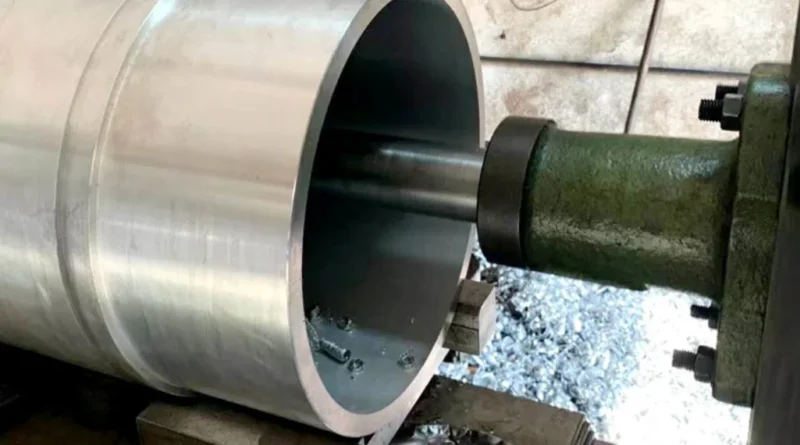
Boring makes a hole bigger. It uses a single cutting edge on a lathe or machine center. This method is great for getting very close fits. It also fixes holes that are off from earlier drilling. You can tweak the size easily by moving the boring bar a bit.
When you deal with exotic alloys, boring tools face high heat. They need to stay stiff too. Carbide inserts with coatings like TiAlN or AlCrN fight the heat well. But these materials don’t let heat escape fast. So, chips stay hot longer. If you don’t handle that, tiny cracks can form. I’ve seen this happen in a batch of titanium parts where cooling was overlooked—ended up with rework that cost a full day.
Tool Geometry and Setup Considerations
Tool bending is a big problem when boring hard alloys. Shorter tool lengths help keep things straight. Bars with dampers also cut down on wobble. For nickel-based alloys, keep cutting speeds low, say 20–40 m/min. This slows down tool damage. Feeds need to be just right. Too fast, and you get shaking. Too slow, and chips don’t clear out well.
Coolant is key here. High-pressure systems that go right through the tool push chips away. They also cut down on rubbing heat. Without it, things can get messy quick, especially in deep holes where swarf builds up.
Surface Finish Quality
Boring gives surfaces around Ra 1.6–3.2 µm. This depends on the insert shape and how fast you feed. If you need smoother finishes—for things like hydraulic parts or plane housings—you might add a reaming step later. It’s not always perfect on the first go, but that’s machining for you.
What Is Reaming Used For?
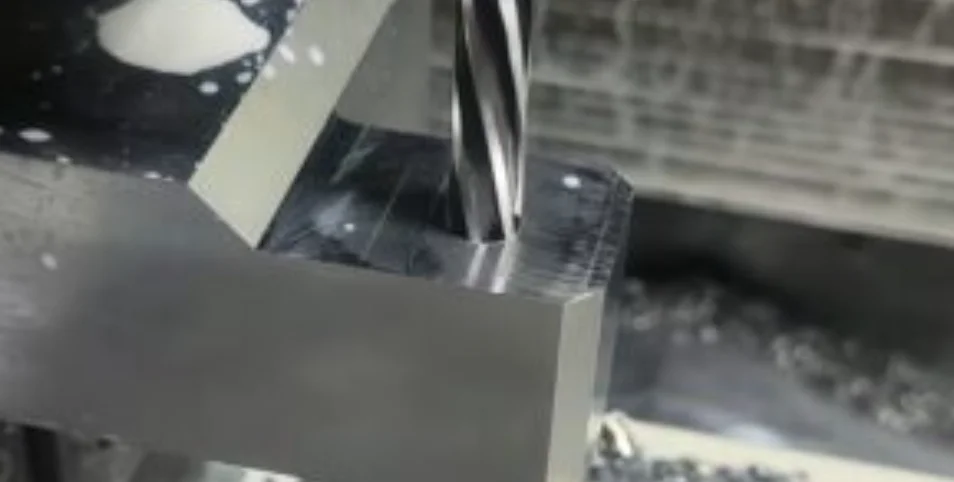
Reaming is a finishing job with multiple cutting edges. It makes holes more accurate after drilling or boring. It takes off just a little material, about 0.1–0.3 mm. This leads to exact sizes and great surface quality, like Ra 0.4–1.6 µm. You can use solid carbide or high-speed steel reamers. Pick based on how hard the metal is.
For exotic alloys, solid carbide reamers with good coatings work best. They stay sharp even under tough loads. In practice, I’ve found that cheaper options wear out too fast on Inconel, leading to uneven holes that fail inspections.
Process Control in Reaming
Reaming needs steady spindle turns and little shake. This stops uneven pressure on the cutting parts. Too much shake can make holes bell-shaped or out of round. For titanium or Inconel, go slow—10–25 m/min. Use plenty of lube too. This gives steady results every time.
Cutting fluids with strong additives help lube the edges and metal. They cut down on sticking, which is common in gummy stuff like titanium. One tip from old-timers: always check your fluid levels mid-run to avoid dry spots that ruin the finish.
Common Challenges
People sometimes think reaming fixes big mistakes from drilling. But it only tweaks small things. If the drilled hole is way off or slanted from drill slip, reaming won’t help much. You need boring first to straighten the path. This is a lesson learned the hard way in a valve project I recall—skipped boring and spent weeks chasing tolerances.
When Should You Choose Boring Over Reaming?
Your choice comes down to how close the fit needs to be and how many parts you make. Boring is good for changing sizes or fixing crooked holes. It’s best for small runs where you can adjust on the fly.
Reaming does well in big production lines. There, you want the same result every time. And the starting holes from good drills are already in place.
For H7 tolerance, which is ±0.015 mm, in hard Inconel parts, mix both. Rough bore to fix the line. Then ream to get the exact size. This combo often saves time in the end, even if it feels like extra steps.
Cost Implications
Boring tools cost more at first. Their designs are tricky. But you can swap inserts to fit different sizes. Reamers are less money each. Yet they stick to one size. When they wear too much, you toss them or sharpen up to a point.
In places like turbine blade shops, where you drill thousands of the same holes daily, reamers win on cost. They keep speeds even and cut cycle times. It’s all about the volume—low runs might flip that script.
How Do Material Properties Affect Process Choice?
How hard the material is changes if you bore or ream first. Or maybe skip one. Metals over 45 HRC need solid setups. Use low feeds during boring to avoid shake marks. Those can lead to cracks later when the part takes stress.
For easier exotic alloys, like aluminum-bronze mixes in boat valves, reaming might be all you need. They cut clean without much bend. No big drama there.
Heat growth rates count too. Nickel-based alloys swell a lot when hot. So, in boring, let things cool between cuts. Measure at room temp to dodge size mistakes. I once measured a hot Inconel part and had to scrap it—lesson in patience.
Practical Example From Industry
Take airplane engine cases from Inconel 718. Bolt holes need ±0.01 mm accuracy. Depths go over 100 mm. The usual way starts with drilling small holes using cobalt bits. Then semi-finish bore at slow feeds, about 0.05 mm/rev. Finish with coated carbide reamers under lots of coolant at set speeds. This gets surfaces smooth enough for tight fasteners.
You see how boring sets the path. Reaming polishes it up. They work together, not against each other. In real shops, this flow cuts errors and boosts quality—something you notice in final assembly tests.
FAQ
Q1: What’s the main difference between boring and reaming?
A: Boring makes an existing hole larger with one cutting tool. It allows fine changes. Reaming improves an already good hole for better surface and tight fits.
Q2: Can I skip boring if my drilled holes are accurate enough?
A: Yes. If the drill hits within ±0.02 mm, go straight to reaming. But check that the alignment stays true for all pieces. Inconsistent drills can sneak up on you.
Q3: Why do exotic alloys cause faster tool wear?
A: They hold heat at the cut edge because they don’t conduct it well. Their hardness also grinds down tools faster during long cuts. It’s a double whammy in tough jobs.
Q4: What coolant works best for titanium during these processes?
A: High-pressure mixes with sulfur additives cool well. They also stop the rubbing stick that titanium loves. Flood it generously for best results.
Q5: Is it possible to automate both processes in one setup?
A: Yes. New CNC machines use swap heads. They do boring then reaming without stopping. This keeps things even for tricky alloy parts. Automation shines here, but setup time is key to watch.