
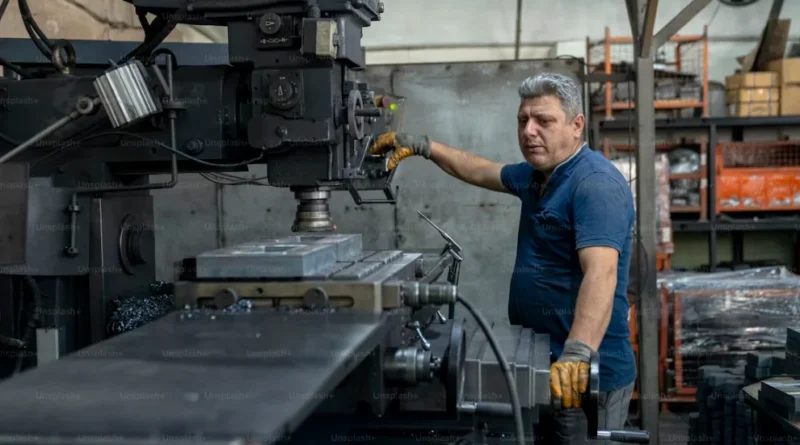
Is Multi-Axis Milling the Missing Link in Hybrid Additive Manufacturing Systems
What Defines the Integration of Multi-Axis Milling in Hybrid Additive Manufacturing Systems?
Putting additive and subtractive methods together in one setup has really changed the way we make and finish parts. These hybrid systems blend the free-form building of additive manufacturing with the sharp accuracy of milling, especially multi-axis milling. This setup lets you switch smoothly from adding material to cutting it away. As a result, you cut down on setup times and boost overall precision. In practice, I’ve seen shops where this cuts production time by half for tricky parts.
The Concept of Hybrid Additive–Subtractive Manufacturing
Hybrid additive–subtractive manufacturing brings together two main steps: adding material and taking it away. Both happen on the same machine base. In the process, you build up layers with additive methods. Then, you machine those layers to keep tight fits. This happens before you add the next layer. Such a step-by-step approach stops errors from building up. These errors often pop up in basic 3D printing alone. The main reason for mixing these ways is clear. You get both wild shapes and exact surfaces. No single method does that well on its own. For instance, in making turbine blades, this combo has helped avoid scrap rates over 20 percent.
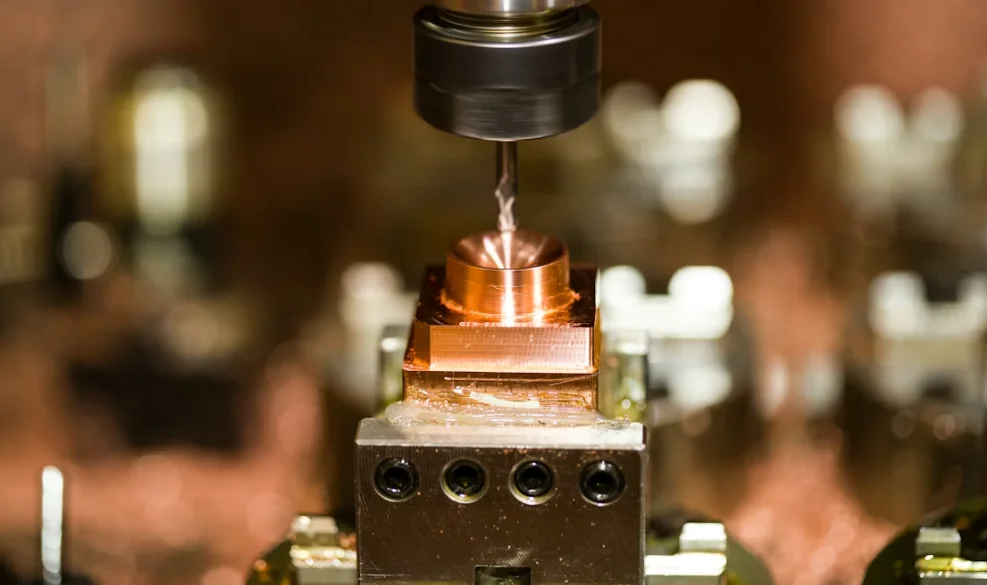
The Role of Multi-Axis Kinematics in Process Flexibility
Multi-axis kinematics help hybrid systems handle tough shapes from various angles. You don’t need to move the part around much. Take a 5-axis setup, for example. Here, the tool can reach curved spots or hidden areas right after you add material. This kind of freedom cuts down on fixture swaps. It also makes tool paths work better. But machine builders must think about strength, heat steadiness, and smooth movements. All this keeps things steady during additive and subtractive parts of the job. One shop I know added extra cooling to handle the heat swings, and it paid off in fewer rejects.
The Evolution of Hybrid Manufacturing Technologies
The shift from old-school CNC machining to hybrid systems came step by step. But it was a firm move forward. At first, folks added laser metal deposition tools to regular CNC machines. Later, control programs got better at linking additive buildup with milling paths. They made the switch seamless. Sectors like aerospace and energy jumped in early. They needed high-end parts for fixes or parts with tricky inside paths. Now, these hybrid machines are common in top tooling shops and prototype labs. It’s interesting how a single machine can now handle what used to take three separate ones.
How Does Multi-Axis Milling Improve the Quality of Additively Manufactured Parts?
Pairing additive manufacturing with multi-axis milling gives you not just shape freedom but also better finish and size control. Each part of the process helps the other. The added layers make rough shapes close to the final form. Milling then shapes them just right. In real jobs, this has turned rough prints into parts that pass strict checks without extra work.
Surface Finish Enhancement Through Precision Machining
Additive methods tend to leave bumpy surfaces from the layer stacking. Multi-axis milling smooths these out by cutting in several directions. It works well on sloped or rounded spots too. You can use smart finishing plans that change speeds based on the surface angle. This keeps the roughness even all over the part. To check the surface, people use tools like profilometers or white-light interferometers after milling. From my experience, this step often drops surface roughness from 10 microns to under 2, making parts ready for use right away.
Dimensional Accuracy and Tolerance Control
Heat from adding metal can twist the part’s size. This leads to off measurements. To fix it, you watch the heat as it goes in. Then, you tweak the tool path in the next milling step. Top hybrid setups have feedback systems. Sensors spot size issues right after adding material. They let you adjust before piling on more. When you stack this against plain additive work, the mix wins big. It holds tolerances down to microns. One case in auto parts showed a 50 percent drop in rework needs.
Material Integrity and Microstructural Refinement
Cutting after adding material clears off top layers hit by heat changes or tiny holes. This boosts how long the part lasts under stress. You control how deep you cut to spread out leftover stresses evenly on the surface. Things like tool speed and feed rate shape the tiny structure inside. Slower speeds limit damage below the surface. At the same time, they keep hardness the same in cut areas. It’s a balance, but it works well for tough jobs like engine parts.
Why Is Multi-Axis Milling Critical for Part Repair Applications in Hybrid Systems?
Hybrid manufacturing goes beyond making new items. It’s great for fixing things too. You can mend broken parts in one spot instead of tossing them. This saves money and time. In fields like oil rigs, this has kept big machines running without full overhauls.
Restoration of Damaged or Worn Components
For fixes, you scan the worn spot with digital tools. This makes an exact map of the lost shape. Then, you add material just there with additive steps. After that, multi-axis milling shapes it to match the old lines. This spot-by-spot fix wastes way less than starting over. Plus, the strength matches new parts. I’ve heard of repairs on ship propellers that lasted years after this treatment.
Toolpath Adaptation for Irregular Repair Geometries
Fixes often deal with odd holes or inner walls that are hard to reach with basic tools. Multi-axis milling uses paths that fit the rebuilt shapes from scans. The software shifts angles on the fly to avoid bumps. It keeps the cut just right. This takes strong CAM links that redo paths in real time. It’s tricky, but tools now handle it better than before.
Process Validation and Certification Considerations
Areas like aerospace have tough rules for fixed parts. You need checks without breaking the part, like ultrasound scans after cutting. These confirm the join between old and new layers is solid. Records track every step in the hybrid work. This way, each fix meets the rules before going back into action. Skipping this can cost big, so it’s a must.
What Are the Key Challenges in Integrating Multi-Axis Milling with Additive Processes?
Mixing these two different steps brings hurdles past just fitting the hardware. You have to watch for heat issues and software glitches that can slow things down.
Thermal Management During Sequential Operations
Heat buildup is a big problem when you switch from adding to cutting. Too much leftover heat warps sizes or wears tools fast in milling. Plans often add cool-down breaks or mix steps so you cut while nearby spots chill. Sensors near the build zone track temperature shifts. This makes switches safer. In hot shops, adding fans has helped a lot.
Tool Accessibility and Collision Avoidance Issues
As shapes get more detailed, getting tools in without hits turns tough. You run simulations first to spot risks in 5-axis moves. The part holder might need tweaks for room on turning parts. But you can’t lose strength. It’s a tight line between reach and solid hold. One fix I saw used longer tools to dodge issues.
Software Synchronization Between Additive and Subtractive Modules
Hybrid jobs rely on software that matches slicing for additive paths with CAM for milling. But links between them are spotty. Many come from different makers with closed file types. Standards like STEP-NC try to link them under one data flow for live teamwork. It’s getting better, but still needs work.
How Does Multi-Axis Capability Influence Design Freedom in Hybrid Manufacturing?
With hybrid systems, designers change their thinking. Multi-axis features lift old limits from additive or subtractive alone. Now, you can dream up wilder builds that actually work.
Enabling Complex Geometries Beyond Traditional Constraints
Multi-axis lets you add layers without usual supports. You tilt them against gravity or past surfaces. This opens doors to things like grid fills in bent shells. Those would need tons of cleanup if done the old print way. It’s freed up designs in medical implants, for one.
Redefining Part Consolidation Strategies
Hybrid work pushes joining many parts into one unit. You build them as one piece with inside bits cut during the build for exact fits. Rules for hybrid design weigh build trouble against reach for later cuts. Too much joining can block angles if not planned. But when it clicks, it saves assembly time by 30 percent or more.
Facilitating Functionally Graded or Multi-Material Structures
Switching materials in a build needs tight watch on add speeds and join heat. This keeps bonds clean. Milling after helps smooth shift spots where hardness differs. That stops stress spots, like in light brackets mixing titanium and aluminum for planes. These mixes are key for weight savings.
What Are the Economic Implications of Adopting Multi-Axis Hybrid Systems?
Switching to hybrid gear costs a lot up front. But it brings real gains in faster runs and better use of stuff. Over years, it pays back through less waste and quicker turns.
Cost–Benefit Analysis Compared to Conventional Manufacturing Routes
Machine prices run high from the added smarts. Yet, day-to-day savings come from fewer changes and short waits. Both steps happen in one spot. Scrap drops too, as near-final builds cut extra cutting common in old ways. A study showed payback in under two years for busy shops.
Impact on Supply Chain Efficiency and Sustainability Goals
Hybrid tools allow making close to users. This helps far-off fix spots in planes or power plants. It trims shipping costs for spare bits. Material use jumps up versus cut-only ways, where 80 percent might turn to chips. Hybrids hit over 90 percent use. This fits green aims for reuse loops. Plus, less travel means lower carbon footprints.
Workforce Skill Requirements and Training Needs
Running these machines calls for wide skills. Think CAD/CAM setup, know-how on metal changes in heat loops, and robot handling in new setups. Training mixes these with sim practice. This helps workers pick it up quick in factory shifts. It’s a shift, but one that builds better teams.
How Will Future Innovations Shape Multi-Axis Hybrid Additive Manufacturing?
Coming hybrid systems will lean on smart auto controls tied to full factory nets. Not just lone machines. This will make things smoother and smarter overall.
Advances in Real-Time Monitoring and Adaptive Control
Mixing sensors like heat cams, sound pickups, and shake detectors lets systems tweak on the spot. They fix odd spots in adding or cutting. Smart programs could change speeds based on past job lessons. This cuts flaws early. Imagine a build that spots a hot spot and cools it before it ruins the layer.
Emerging Materials Compatible with Hybrid Processing
Work goes on for metals made for hybrid heat ups and downs. Like nickel superalloys that flow well in laser melt and cut easy after. They hold strength even with hardness shifts from heat then cut. This keeps parts reliable in high-stress spots.
Integration with Digital Twins and Smart Manufacturing Ecosystems
Digital twins copy whole hybrid setups in virtual space. They tie design plans to live sensor feeds. This spots wear or size slips early, before checks find them. It’s a base for self-fix factories under Industry 4.0 plans. Linked nets worldwide could run with little human help, changing how we build big.
FAQ
Q1: What advantage does multi-axis milling offer over standard 3-axis setups?
A: It allows access to complex surfaces from multiple angles without repositioning parts, improving precision while reducing setup time.
Q2: Can hybrid manufacturing repair critical aerospace components?
A: Yes, certified hybrid systems restore worn sections through localized deposition followed by precision milling validated under aerospace standards.
Q3: How does temperature control affect hybrid process stability?
A: Effective thermal management prevents distortion between sequential operations ensuring consistent dimensional accuracy throughout builds.
Q4: Are there specific materials best suited for multi-axis hybrid processing?
A: Metals like titanium alloys or Inconel respond well because they tolerate repeated heating cycles yet remain machinable afterward.
Q5: What skills should engineers develop for operating these systems?
A: Expertise across CAD/CAM integration, process monitoring technologies, materials science fundamentals, plus automation control proficiency is essential for efficient operation.