
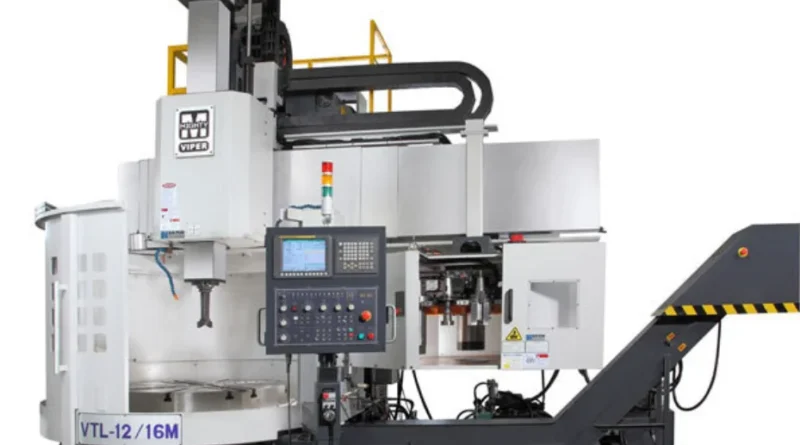
Why VTL Machining Leads the Future of Large-Diameter Part Production in 2026
Why VTL Machining Dominates Large-Diameter Part Production in 2026
Vertical Turning Lathe (VTL) machining serves as the main support for making big round parts. Industries now need better accuracy and quicker results. The year 2026 stands out because automation, smart factory methods, and new material ideas all come together. This makes VTL machining not only useful but a must-have. For people who work on airplane parts, wind turbine shafts, or tough industrial rings, moving to better VTL setups is both a daily need and a smart plan. Think about a factory floor where huge pieces spin smoothly without a hitch— that’s the edge VTL gives in real jobs.
What Makes VTL Machining Ideal for Large-Diameter Parts?
VTL machining stands apart from horizontal turning. It points the spindle straight up. This lets gravity help keep big workpieces steady. The design cuts down on bending and shaking. That’s key when working on parts bigger than 2 meters across. Workers can place heavy items right on the chuck. They skip complicated setups. This saves hours and lowers chances of mistakes.
The upright setup also helps clear away chips. Many folks overlook this part. But it matters a lot for tool wear and smooth surfaces. Chips drop away from the cut area on their own. Heat doesn’t build up as much. In fields like power or transport, where fits are super tight and stuff is hard to cut, this helps big time. I recall a shop that switched to VTL and saw tool life jump by 30% just from better chip flow—small wins add up.
Load Capacity and Rigidity
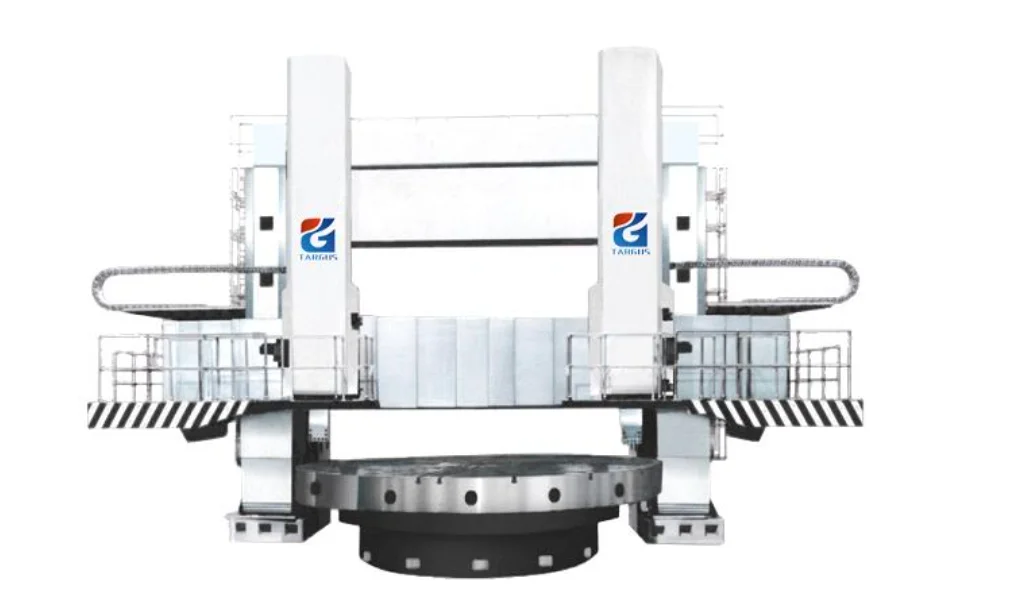
A big reason VTL machining leads in big jobs is its build. The column and base soak up cutting pressure well. This strength keeps sizes exact even with heavy cuts. Take forging steel turbine discs or large pump bodies. Keeping them round within tiny measures is doable thanks to this solid frame. In practice, a team in the Midwest used a VTL for 5-ton discs and hit specs every time, no rejects.
Gravity-Assisted Precision
Horizontal lathes have trouble with parts drooping from their weight. VTLs use gravity to hold things in line. This one thing can cut waste a lot for pieces over one ton. It’s more than just steady—it’s about steady results run after run. Factories report up to 20% less scrap when they go vertical, especially on long jobs.
How Has Automation Transformed VTL Machining in 2026?
Automation has changed what a current VTL can do. By 2026, top models include robot arms for loading, sensors that watch tools, and smart programs that tweak settings during a cut based on real-time info. These let the machine run non-stop without people stepping in. Sometimes it goes for days.
Now, mixed systems that do turning and milling in one spot are normal. Tricky shapes that used to need several steps get done in a single hold. This cuts errors from moving parts around. It also keeps shapes the same in groups of items. One plant I heard about ran 24/7 batches of rings and boosted output by 40%—automation really shines there.
Smart Tool Management
Managing tool life is now about guessing ahead, not fixing after. Sensors in tool spots gather facts on shakes and heat shifts. They predict wear before a tool breaks. This kind of early warning cuts surprise stops. That’s huge for sites making pricey items like plane bearing cases or boat drive rings. Downtime can cost thousands an hour, so this saves real money.
Integration with Digital Twins
Digital twin tech lets workers test full cut processes on a computer first. They try changes to speeds or cooling without touching real stuff. This fine-tunes actual runs and skips waste. Linking these tests right to machine controls makes the jump from plan to build smooth. Errors drop way down. It’s like having a virtual test drive before the real road—practical and safe.
Which Industries Benefit Most from Advanced VTL Machining?
The reach of better VTL systems spreads to many areas. These need exact big round work. Power making, airplane building, heavy gear making, oil and gas digging, and boat building all count on them now. In 2026, with world projects growing fast, they depend on VTL even more. Each field has its own demands, but VTL fits them all with room to grow.
Energy Sector Applications
Wind turbine centers and water power wheels need huge round pieces. These must fit tight to stay balanced at fast spins. Today’s many-sided VTLs tackle this well. They give top-notch smooth finishes. This cuts weak spots that cause wear over years of use. A European wind farm supplier machined 3-meter hubs last year and saw no balance issues—VTL made it reliable.
Aerospace Components
Airplane work balances light weight with strong build. It uses special metals like titanium or Inconel. These are hard to cut the usual way. The steady heat in vertical machines stops twisting on long rough cuts. Teams often add extra passes for safety, and VTL handles it without fuss.
Heavy Equipment Manufacturing
Machines for moving earth use gear circles and bearing boxes over two meters wide. With built-in check tools in VTLs, size checks happen right in the process. No need for after checks. This halves time spent on inspections. One builder in Texas cut their check routine from 2 hours to 1 per part—efficiency at its best.
What Future Trends Will Shape VTL Machining Beyond 2026?
Looking forward, a few changes will push new ideas. These include mixed adding and cutting machines. Also, AI for better process tweaks. Green efforts like reusing coolant. And flexible machine parts that let you add power without buying new ones.
Machines that build up layers then finish by turning could change how we fix costly parts. Think turbine shells or boat blades. They last longer instead of getting tossed.
AI tools will improve control by studying tons of past runs. Data sits in online storage shared worldwide. This builds a growing info web for better choices at each step. It’s not magic, but it feels close when it spots patterns humans miss.
Green practices grow too. Shops use systems that clean and reuse coolant. This cuts harm to the earth and bills. It’s a smart step that matches money sense with care for nature. Plus, with regs getting stricter, it’s just good business. Overall, these shifts keep VTL ahead, adapting to whatever comes next in manufacturing.
FAQ
Q1: What sizes of components are best suited for VTL machining?
A: Components typically above one meter in diameter benefit most because gravity-assisted stability reduces deformation during cutting.
Q2: How does automation improve productivity in modern VTLs?
A: Automated loading systems and sensor-based monitoring allow continuous operation with minimal supervision while maintaining consistent quality.
Q3: Are hybrid VTL machines replacing traditional setups?
A: Not entirely; they complement conventional machines by enabling combined turning-milling operations for complex geometries in fewer setups.
Q4: Which materials pose challenges even for advanced VTLs?
A: Heat-resistant superalloys such as Inconel or titanium remain difficult due to their hardness and low thermal conductivity but are manageable with adaptive controls.
Q5: Will AI completely control future machining processes?
A: AI will guide optimization rather than fully replace human oversight—it enhances decision-making through data-driven insights but still requires expert supervision for safety-critical tasks.