
What Makes G-Code Programming The Core Language Of CNC Precision
Why Is G-Code Considered the Core Language of CNC Precision?
G-code programming forms the main support for computer numerical control (CNC) machining. It connects digital designs to real-world making processes. This turns basic shapes into exact tool actions. For people in high-level manufacturing, this language is more than just instructions. It is the basic rules for exact work. I have seen shops where a small mistake in G-code can ruin a whole batch of parts, so getting it right matters a lot.
The Foundational Role of G-Code in CNC Machining
G-code sets how a machine acts. Every slice, turn, and speed comes from this language. Each line gives positions, rates, and routes that turn into real moves. It serves as the link between CAD/CAM plans and machine work. So, G-code makes sure results stay the same over many runs. This holds true whether you cut a turbine blade or a basic bracket. Every task, from milling to turning, depends on these shape commands. They help create steady outcomes. In my experience with a small workshop, using solid G-code cut down errors by half in just a few weeks.
The Relationship Between G-Code Syntax and Machine Behavior
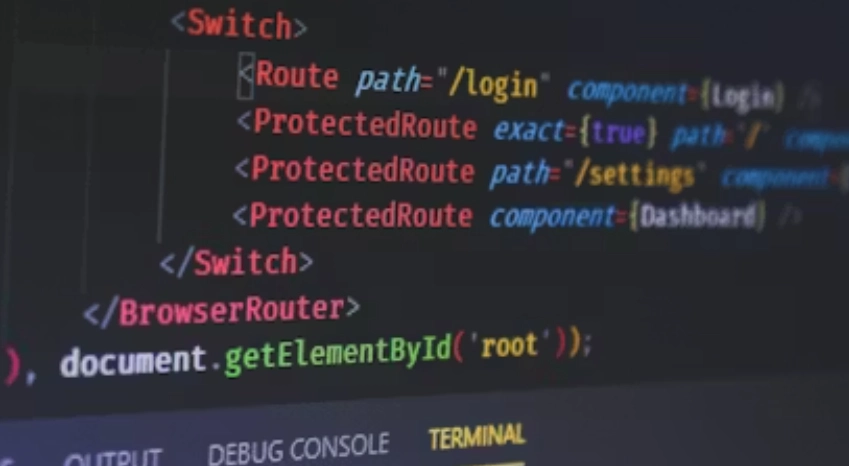
G-code’s structure guides machine actions. Each order links to a certain move type. For instance, G01 tells the machine to do straight-line paths. G02 and G03 set clockwise and counterclockwise circle moves. This direct link between structure and action allows common coding for various machines. Controllers read each line one after another. They change digital orders into machine steps with tiny accuracy down to micrometers. Keeping the structure steady stops odd tool paths. It also makes sure the screen design matches the bench work. Think about a car part factory. There, one wrong syntax can shift a hole by 0.1 mm, which fails the fit test.
The Integration of G-Code With Modern Manufacturing Systems
Today’s making setups do not work alone. CAM tools create fine-tuned G-code on their own for tough shapes or many-axis tasks. Postprocessors then change this output to fit exact machine controls. This keeps things working without hand changes. In smart plants, digital copies test making steps before starting. They use made code to guess tool wear or heat rise. So, engineers can tweak settings in a virtual space first. This saves material and time. For example, in a factory I visited, this method reduced waste by 20 percent on prototype runs.
How Does G-Code Define Motion Control in CNC Systems?
Motion control in CNC setups relies fully on G-code order setups. Picture it as a dance plan for machines. Every step needs to be spot-on, timed right, and done as planned. Sometimes, operators add a quick check here, which makes the whole process feel more human.
Linear and Circular Interpolation Commands
Straight-line (G00/G01) and circle (G02/G03) path orders set how tools travel in space. Fast setup (G00) shifts quickly between spots without slicing. Controlled advance (G01) sets cutting routes at given speeds. Circle orders make bends or curves key for shaping tricky areas like fan wheels or forms. Even shifts between these routes boost surface quality. They also cut shaking in fast work. In practice, smooth paths can improve finish by 15 percent, based on what I’ve heard from machinists.
Coordinate Systems and Tool Positioning Logic
CNC machines use position grids to place tools right. Full position (G90) bases all moves from a set start point. Step-by-step position (G91) counts from the last spot. Both are vital when changing tasks or holders. Work shifts (G54–G59) let you handle many setups in one code. This way, you cut parts without resetting starts by hand. Handling these positions well keeps sizes tight. Even when you swap tools or turn pieces around. A real-world tip: always double-check offsets before a long run to avoid surprises.
Feed Rate, Spindle Speed, and Toolpath Optimization
Advance rate (F) sets how quick a tool pushes through stuff. Spindle rate (S) picks turn speed based on cutter size and stuff hardness. Matching both changes chip size, surface look, and tool length. Good routes cut time without cutting. They do this by ordering steps in a smart way. This shortens cycle times but keeps size accuracy. For instance, in aluminum work, a feed of 10 inches per minute with 2000 RPM often works best for clean edges.
What Are the Key Modalities That Govern G-Code Execution?
Every CNC code runs under modal rules. These rules set which orders stay on until changed. Others apply just once. It’s like setting the mood for the machine, and forgetting to reset it can lead to funny mishaps if you’re not careful.
Modal Code Groups and Their Hierarchical Structure
Modal orders stay on until another in the same set takes over. For example, after setting straight-line path (G01), next lines keep it unless a new move order shows up. Sets of functions stop mix-ups. Like picking the wrong flat or move type in one code block. This setup keeps things running smooth without clashes.
Nonmodal Codes and Context-Specific Functions
Nonmodal orders work only on the line they appear in. They help for short actions like wait times or single pauses for checks. These give spot control without changing the whole code state. So, you can make small tweaks in the middle of a run. It’s handy for things like pausing to measure a depth mid-job.
Canned Cycles for Repetitive Machining Tasks
Canned cycles make repeat jobs easy, like drilling or threading. They pack many moves into one order set (e.g., G81–G89). Instead of writing lots of lines by hand, you call a ready pattern. You adjust things like depth or pull-back distance. This fits batch making where speed counts. In a shop doing 100 holes a day, this can save hours of coding time.
How Do M-Codes Complement the Functionality of G-Code Programs?
G-codes deal with move control. But M-codes handle extra tasks that finish the making job. From spindle start to coolant flow. They work together like gears in a clock.
Machine Control Through Auxiliary Commands
M-codes line up side systems with move steps. Usual ones include M03/M04 for spindle turn control. Or M08/M09 for starting and stopping coolant in cuts. These orders make sure moves match helpers like oil or chip removal. Without them, things could get messy fast.
Program Flow Management Using M-Codes
Code flow uses M-codes a lot. Like M00 for a full stop. Or M01 for an optional break. These let workers check parts in the middle without stopping everything. At the end, M30 resets machine setups. So, next runs start the same way. This is big for steady making spots. I’ve noticed it helps when training new staff, as everything resets cleanly.
Safety and Setup Operations Controlled by M-Codes
Safety M-codes cover jobs like auto tool swaps or machine resets before issues pop up. Right order stops crashes. It makes sure spindles halt before tool changes. This small step guards worker safety and gear life. In busy shops, it’s the difference between a smooth day and a costly fix.
Why Is Understanding Modality Essential in Advanced CNC Programming?
In high-level G-code coding where many axes sync up, modality is key. It rules lasting states over code parts. Skipping this can turn a good program into a headache.
The Concept of Modal Persistence in Program Flow
Modal lasting sets which orders carry on over lines until new ones replace them. If you forget, like keeping an old advance rate, it might lead to wrong tool speeds. Or even harm to the part in later steps. Always review the flow to catch these slips.
Interaction Between Modal Groups During Execution
Some modal sets work on their own. Others take over current picks. Knowing what comes first stops logic fights. This happens in many-axis moves or flat switches mid-job. Clear understanding keeps the run steady.
Practical Strategies for Managing Modal States
Skilled coders set base modes at the start with setup parts. Machines begin from known spots each job. They also note active modes in long codes. This helps find bugs fast in test runs before full making. A pro tip: use comments in your code to track modes; it saves time later.
How Has Postprocessing Enhanced the Efficiency of G-Code Generation?
Postprocessing turns CAM data into code that machines can read. It fits exact controls. This step links plan ideas to hardware power. It’s not flashy, but it keeps everything clicking.
The Role of Postprocessors in Translating CAM Output
Postprocessors grab plain CAM files. They turn them into formats for controls from brands like Fanuc or Haas. You can tweak for tool setups or axis plans in your shop. This makes output ready without extra work.
Standardization Across Different CNC Controllers
Shared postprocessing cuts repeat work in shops with mixed machines. It keeps formats the same over setups. This lowers change errors that might mess up part shapes or size rules. Uniformity is a quiet hero in multi-vendor places.
Automation Through Adaptive Postprocessing Techniques
Smart postprocessing uses info from machine sensors. It tweaks code on the fly for cut conditions like shake levels or spindle loads. This ties into Industry 4.0 ways. It cuts hand work a lot. For example, adjusting for a 5 percent load spike can prevent early tool breaks.
What Are the Emerging Trends Shaping the Future of G-Code Programming?
G-code coding changes with bigger shifts to mixed methods, smart tech links, and online team work. All this aims to make making brainier, not just quicker. It’s exciting to watch how it unfolds in real factories.
Hybrid Manufacturing Combining Additive and Subtractive Processes
Fresh add-ons now mix build orders with usual cut ones. Machines can add layers of stuff then finish them in one go. This big step leads to full mixed making areas. They make near-ready parts well. Imagine printing a base then milling details—no extra setups.
Integration With AI-Based Process Optimization
Smart tech looks at live making data. It changes advance rates when it spots shake signs or heat shifts. Guess-ahead math tweaks code ahead of time. This builds steady processes over runs by learning loops. In one case, it cut downtime by 30 percent in a test plant.
Cloud-Based Collaboration in CNC Programming Environments
Online setups let far-off teams share codes safely. No matter where they are. They keep version checks solid. This team model speeds plan-to-make steps. It’s great for world supply lines with many sites. Sharing a file across continents can shave days off a project.
FAQ
Q1: What makes g-code programming essential for precision manufacturing?
A: It turns digital plans into spot-on machine moves. These create steady size accuracy over parts, no matter how tricky they are. In tight-tolerance jobs, like medical tools, this keeps everything within 0.01 mm.
Q2: How do modal codes differ from nonmodal codes?
A: Modal codes last until swapped in their set. Nonmodal ones work just once per line. They add spot flexibility in runs. Modal ones set the base, while nonmodal handle quick changes.
Q3: Why are postprocessors important in modern CAM workflows?
A: They change basic CAM files into machine-fit code. This matches software outputs to control needs without hand rewrites. It saves time and cuts mistakes in diverse shops.
Q4: What role do M-codes play compared with standard motion commands?
A: G-codes set move paths. M-codes run side jobs like spindle control, coolant start, code stops, or safety resets. They team up for full process handling. Without M-codes, moves alone wouldn’t complete the task.
Q5: How is AI influencing next-generation g-code programming?
A: Smart systems check sensor info. They tweak advance rates and guess wear signs to stop shakes. This builds making plans that learn and grow in smart plant setups. Over time, it makes runs more reliable with less watch.