
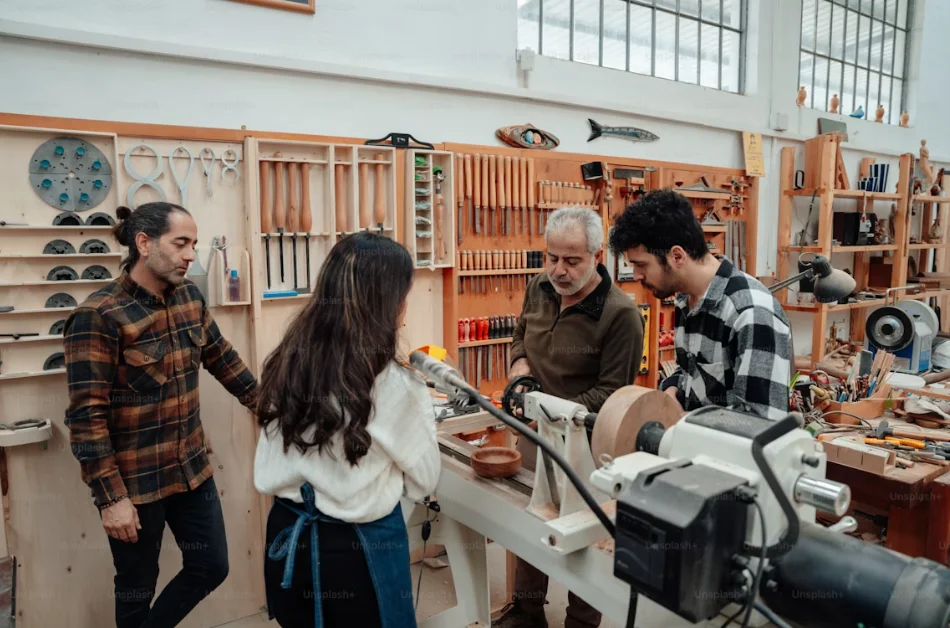
Why Choose A Mini Woodworking Lathe For Precision Craftsmanship
What Are the Advantages of Using a Mini Woodworking Lathe?
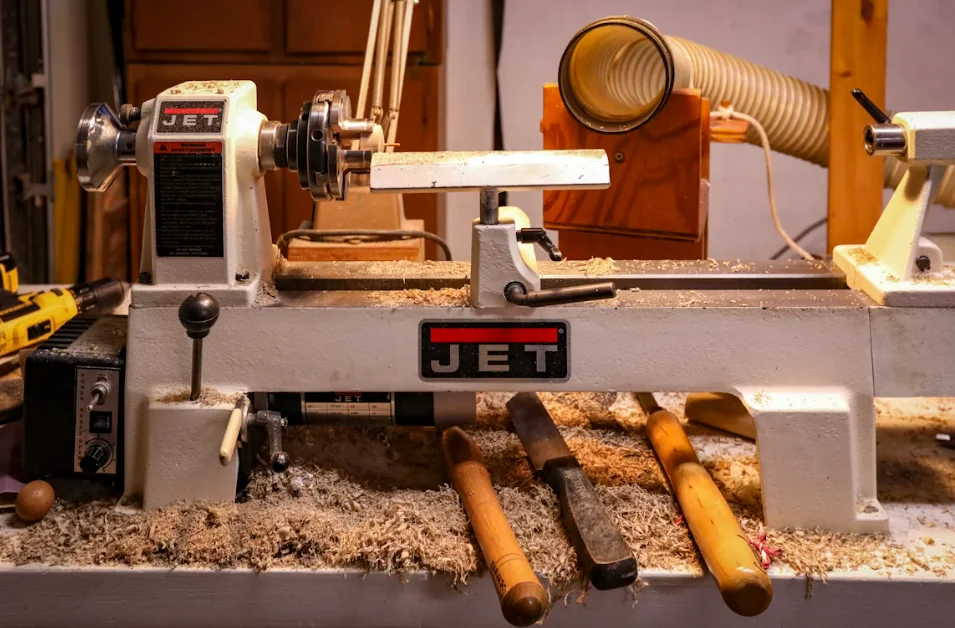
A mini woodworking lathe is more than just a smaller version of a regular lathe. It is a small, strong tool that lets you shape wood, and at times metal, with good control. Both pros and hobbyists like it because it mixes good work, easy use, and low price. The way it is built works well for tight workshop spots and careful making.
Compact Design for Space Efficiency
The first thing you see about a mini woodworking lathe is how small it is. It sits nicely on most workbenches. It does not take up much room in your space. This makes it great if you work in a small garage or home setup. And yet, its small size does not mean it lacks steadiness. It can manage exact turning jobs well. Many types have cast-iron bases. These bases soak up shakes. So, your cuts stay even at fast speeds. I recall a friend who squeezed one into his tiny shed. He turned small bowls without any wobble issues.
Versatility in Crafting Intricate Designs
A mini lathe shows its flexibility in handling fine details. You can make thin spindles, pen tubes, chess parts, or special grips without trouble. The small size helps you make tiny changes. These would be hard on big machines. The tool rest and speed adjustments let you shape and finish slowly. This is key for nice art in woodturning. For example, think of carving a detailed chess king. The close setup makes each cut feel right.
Cost-Effectiveness Compared to Larger Lathes
Big lathes cost a lot. They often run into thousands of dollars. But a mini woodworking lathe gives close to the same features for much less money. This low cost does not cut quality. Many small models have speed changes and tough builds. For new folks or those doing small jobs, it is a smart buy. You get good tools for craft without spending too much. In my view, it’s like getting a full toolbox for the price of one hammer.
How Does a Mini Woodworking Lathe Enhance Precision Craftsmanship?
Good aim is a top reason woodworkers pick mini lathes. The small build pushes you to handle it with care. This leads to better, cleaner work.
Accurate Control Over Cutting Tools
Short tool rests and nearness to the wood piece give you better grip on each slice. This exact hold helps keep steady widths. It also makes even shapes easier than on big machines. There, the space can make you less aware of small moves. Picture turning a pen barrel. You feel every nudge right away.
Detailed Finishing for Small Projects
Mini lathes shine at smooth ends on tiny items like pens or rings. The motor strength fits light jobs. So, it is simple to get even surfaces. You avoid burning or ripping the wood lines. You can add polish tools straight on the lathe. This flows well from shaping to the last touch. One time, I saw someone finish a wooden ring in under an hour. It came out glossy without extra steps.
Consistent Performance Across Various Materials
These lathes are made for wood. But many can work soft metals like aluminum or brass. You just need the right cutting tools. This steady work across stuff makes them useful in projects with wood and metal parts. Both need the same careful aim. It’s handy for making mixed items, say a handle with metal tips.
Why Is a Mini Woodworking Lathe Suitable for Beginners?
For new turners, huge machines can seem scary. A mini woodworking lathe gives an easy start. You learn basic skills in a safe way.
User-Friendly Operation and Setup
Most mini lathes arrive almost ready. They have simple controls. There is a speed knob, quick levers, and easy tailstock moves. You can begin turning in just minutes. No need for special lessons or hard setups. It’s like plugging in a lamp and going. Beginners often feel at home fast.
Safe Learning Environment for Novices
Small motors and low swing space cut down on risks. Things like too much pull or sudden jerks happen less. This setup makes it a safe spot to learn. You still pick up key skills. These include where to place tools and how fast to push. Safety first helps build trust in the craft.
Opportunities for Skill Development
Starting with small sizes does not hold you back. It helps you master moves before going bigger. As you get sure with knives and scrapers on little jobs, moving to large lathes feels simple. The main ideas stay the same. Many start with bottle stoppers, then grow to table legs over time.
What Types of Projects Can Be Created with a Mini Woodworking Lathe?
The things you can make on a mini lathe may amaze even old hands at the trade.
Small Decorative Items and Ornaments
You can craft detailed small decor. Think candle stands, tiny bowls, or holiday bits. These show off the wood’s natural lines in a pretty way. A set of ornaments for Christmas can take a weekend. They add a personal touch to any shelf.
Functional Household Accessories
Make useful home items too. Drawer pulls, rolling pins, bottle plugs, or spice shakers work well. They are practical and look good. Your skill shows in daily use around the house. I know someone who made a full kitchen set. It lasted years without a hitch.
Custom Jewelry and Art Pieces
Artists turn to mini lathes for special jewelry. Wooden bracelets or neck bits come out nice. Mix them with metal for fresh looks. These stand out in shows or shops. It’s a fun way to blend woods like oak with brass for unique wearables.
How Does a Mini Woodworking Lathe Compare to a Full-Sized Lathe?
Both machines use the same basic parts. Spindles spin, and tools cut. But in real use, their gaps matter a lot.
Differences in Size and Portability
Mini lathes weigh less than 100 pounds. You can shift them from spot to spot. Or tuck them away when done. Big ones need fixed floor room. Their long frames and heavy parts take up space. Portability wins for home shops that change setups often.
Variations in Power and Speed Capabilities
Large lathes have strong motors. They handle big logs or tough woods. A mini woodworking lathe runs from 1/3 HP to 1 HP. But it makes up with speed shifts. These let you tweak for fine jobs. It’s perfect for detailed pieces where power alone won’t cut it.
Comparison of Maintenance Requirements
Small machines need less upkeep. Wipe off dust after each go. Oil parts now and then. Check belts every few months. You can do it all yourself. No calls to pros like with big factory units. This keeps things running smooth without big hassles.
What Materials Can Be Worked on with a Mini Woodworking Lathe?
Built for woodturning, these tools adapt well with add-ons.
Suitability for Various Types of Wood
From easy pine to hard maple or walnut, mini lathes manage fine. Use sharp tools. Change speed for the wood’s thickness. This stops breaks and keeps faces nice. Soft pine spins fast for quick shapes. Hard walnut needs slower turns to avoid cracks.
Capabilities in Metalworking Applications
Skilled users tweak setups a bit. They add cutters for metals. Turn brass bars into nice hardware or pen bits. The motor holds up if you go easy. It’s not for heavy steel, but light brass works great for small decor.
Adaptability to Synthetic and Composite Materials
Mini lathes shape clear plastic blanks or mix resins too. These are common in pen crafts. The see-through look needs careful sand at set speeds. It gives clean edges without clouding. Modern makers love this for custom clear handles.
How to Choose the Right Mini Woodworking Lathe for Your Needs?
Picking the best one hinges on your plans, room size, and skill level.
Evaluating Key Features and Specifications
Check swing space over the bed. See distance between centers for max length. Look at motor strength and spindle thread fit for extras. These specs shape what you can do. A 12-inch swing handles most small turns. Longer centers suit spindles up to 18 inches.
Considering Brand Reputation and Reviews
Old turners suggest known names. They last and have easy parts. Chucks or belts must match over time. Skip cheap no-names that might not fit right. Read user stories. Ones with real photos show honest wear and tear.
Assessing Budget Constraints and Value
Weigh price against how well it’s made. Pay a bit more for smooth spins, less noise, and long life. Cheap ones shake and frustrate in the middle of work. Aim for under $300 for starters. That gets solid basics without skimping.
FAQ
Q1: What is the ideal size project for a mini woodworking lathe?
A: Most mini lathes handle pieces up to about 10 inches in diameter and 18 inches long—perfect for pens, handles, ornaments, or small bowls.
Q2: Can I use my mini lathe outdoors?
A: Yes, but only temporarily; humidity changes can affect precision alignment if stored outside permanently.
Q3: Do I need special tools for metal turning?
A: Yes—use carbide-tipped cutters designed specifically for non-ferrous metals instead of standard wood chisels.
Q4: How often should I maintain my lathe?
A: Clean after every session; lubricate moving parts monthly depending on frequency of use; inspect belts quarterly for wear signs.
Q5: Is variable speed essential?
A: Absolutely—it allows better control across different materials ensuring smooth finishes whether you’re sanding soft pine or shaping acrylic blanks.