
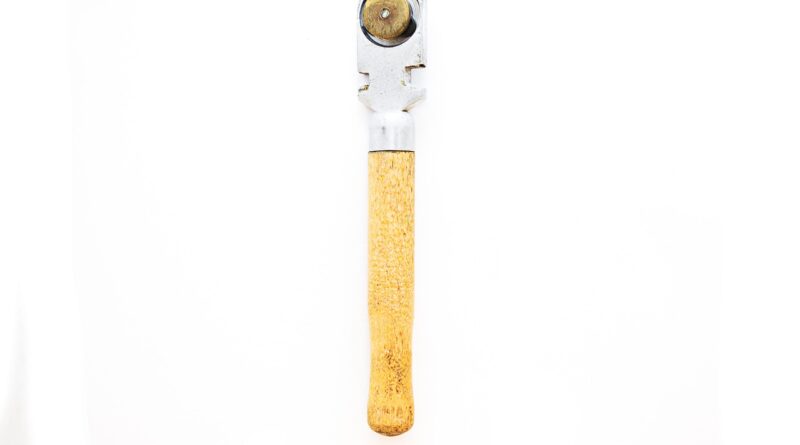
How to choose a glass cutting blade for clean cuts
What a glass cutting blade is designed to do
A glass cutting blade should not be selected by diameter or price alone. Its job is to limit chipping, heat and vibration while cutting a brittle material that does not tolerate impact. For most glass tile, mosaic, stained glass and textured glass work, the usual choice is a continuous rim diamond blade used with firm support and light feed pressure. For flat architectural glass, however, a scoring wheel may still be more appropriate than a saw blade. The right decision depends on the glass form, required edge quality, machine speed, coolant method and whether the cut edge will remain visible after installation or fabrication.
A common mistake in manufacturing and installation work is treating glass like ceramic, stone or metal. Glass can be hard, but it is also brittle. A blade that removes material aggressively may finish a cut quickly while leaving microchips, edge cracks or thermal marks that become rejection points later.
This guide focuses on practical blade selection, setup and troubleshooting for shops, installers and procurement teams comparing options in the broader cutting and tooling category.
Match the blade to the glass and the cutting method
The first selection step is to define the material and process. The phrase “glass cutting blade” can refer to several tools, but they are not interchangeable.
| Application | Common tool choice | Why it matters |
|---|---|---|
| Float glass sheets and simple straight cuts | Tungsten carbide or diamond scoring wheel | The surface is scored and snapped rather than abraded through the full thickness. |
| Glass tile and mosaics | Continuous rim diamond blade on a wet tile saw | The uninterrupted rim helps reduce edge impact and visible chipping. |
| Textured, frosted or stained glass pieces | Fine-grit diamond blade, often continuous rim | Surface coatings and irregular texture require controlled feed and support. |
| Small cutouts or curves | Specialty diamond blade, ring saw or waterjet depending on tolerance | Tight geometry increases breakage risk if the blade is too stiff or aggressive. |
| Production glass with tight dimensional tolerance | CNC scoring, abrasive waterjet or dedicated diamond tooling | Repeatability and edge condition are more important than simple blade availability. |
For glass tile, public product data from manufacturers such as QEP and RUBI points toward continuous rim diamond blades when cleaner cuts are required in glass and mosaic materials. QEP’s glass blade specifications, for example, identify 4-inch and 7-inch continuous rim diamond blades with a 7 mm rim height and a thin kerf around 1.6 mm. RUBI’s glass blade information also describes wet cutting and continuous rim geometry for glass mosaic and vitreous materials. These details show the selection logic behind many glass blades: fine diamond exposure, stable rim contact and controlled cooling are central to edge quality.
Why continuous rim diamond blades are common for glass tile
A segmented blade is useful where speed and debris removal matter, such as concrete or masonry. On brittle glass, each segment gap can create vibration and interrupted contact. That impact is one reason segmented blades are generally not the first choice when the exposed edge must look clean.
A continuous rim blade has an uninterrupted diamond-coated cutting edge. The trade-off is straightforward: it usually cuts more slowly, but it can produce a smoother edge when feed rate, water flow and machine alignment are correct. On glass tile, the goal is not only to get through the material. The cut must avoid edge chips that remain visible after grouting or assembly.
Wet cutting versus dry cutting
Wet cutting is common for glass tile because water helps cool the rim, flush fine particles from the kerf and reduce heat-related marks. Some small glass blades are rated for wet or dry use, but that does not mean both methods deliver the same finish. In many shop and installation settings, dry cutting is faster to set up but less forgiving. Heat builds quickly, fine glass particles remain near the cut, and the operator has less margin for error.
If a blade is marked wet only, it should not be run dry. If it is marked wet/dry, cut quality still needs to be validated on scrap material before production work. Manufacturer RPM limits, arbor compatibility and coolant instructions should be treated as operating constraints, not suggestions.
Thin kerf and fine grit
A thinner kerf removes less material and can reduce cutting force, which is helpful on fragile glass tile and small mosaics. Fine diamond grit can improve edge finish, although it may cut more slowly than a coarser abrasive structure. In practice, a very fast blade can become expensive if it increases breakage or adds edge-finishing work.
For procurement, blade cost alone is a weak comparison. Compare blade cost, cut rate, scrap rate, rework time and finished edge acceptance. A blade that lasts longer but chips exposed edges may still be the wrong choice for decorative glass.
Key specifications to check before purchase
Blade selection should be documented before a job reaches the saw. The following checks prevent many avoidable failures.
- Outside diameter: Match the saw’s permitted blade size. A larger diameter is not automatically better if the machine was not designed for it.
- Arbor size: Confirm that the blade seats correctly on the spindle. Do not improvise bushings that create runout or poor clamping.
- Maximum RPM: The blade’s rated speed must be equal to or higher than the tool speed. Public QEP data, for example, lists different maximum RPM values for different glass blade diameters, which shows why diameter-specific checks matter.
- Rim type: Continuous rim is typically preferred for visible glass edges; turbo and segmented designs need careful testing before use on finished glass.
- Kerf width: Thin kerf can reduce force but may be more sensitive to deflection if the saw, table or operator feed is unstable.
- Wet or dry rating: Use the blade only within the stated cooling method and duty cycle.
- Material rating: A blade marketed for porcelain, granite or general tile is not automatically optimized for glass.
For industrial buyers, the best specification sheet clearly states material use, rim type, arbor, kerf, maximum RPM and coolant method. Vague descriptions such as “multi-purpose” may be acceptable for rough work, but they are weak purchasing criteria for brittle glass where finish is measurable.
Setup practices that reduce chipping and breakage
Even the correct blade can perform poorly on a misaligned saw or a rushed cut. Glass cutting is sensitive to small setup errors because cracks start easily at unsupported edges.
Support the workpiece
Glass tile and mosaics need stable support near the cut line. If the piece rocks, flexes or drops as the blade exits, chipping increases. On small tiles, a sacrificial backing board or support surface can help reduce vibration. On mesh-backed mosaics, the mesh may move independently unless the sheet is well supported.
Use light, steady feed pressure
Forcing the work into the blade often causes chips, heat marks or blade deflection. A better approach is a slow, even feed that allows the diamonds to abrade instead of impact the glass. If the saw motor slows noticeably, the operator is likely feeding too hard, the blade is glazed, or the material is not supported correctly.
Let water reach the cutting zone
On a wet saw, simply having water in the tray is not enough. Water should reach both sides of the blade and the contact zone. Poor water delivery can leave one side hotter than the other, increasing the chance of wandering cuts and uneven edge quality. See also: CNC Machining.
Dress or clean the blade when needed
Diamond blades can lose cutting efficiency when the rim loads up or the diamonds are not exposed properly. Some tooling brands recommend a dressing or cleaning block for restoring cutting action. The sign is usually practical: the blade still spins, but it cuts slowly, pushes hard, or starts chipping more than it did at the beginning of the job.
Common problems and likely causes
| Problem | Likely cause | Corrective action |
|---|---|---|
| Small chips along the top edge | Blade too aggressive, feed too fast, or insufficient support | Use a continuous rim glass blade, slow the feed and support the tile closer to the cut. |
| Cracking at blade exit | Unsupported offcut or pressure spike at the end of the cut | Support both sides of the material and reduce feed force before exit. |
| Burn marks or rough edge | Insufficient water, excessive feed, or glazed blade | Check water delivery, reduce feed pressure and dress the blade if appropriate. |
| Blade wandering | Runout, wrong arbor fit, dull blade or unstable table | Inspect arbor seating, flanges, blade flatness and saw alignment. |
| Excessive breakage on mosaics | Sheet movement, small pieces vibrating, or poor backing support | Stabilize the mosaic sheet, use a sacrificial support and validate the cut on scrap. |
A useful quality-control habit is to record the blade model, material type, saw speed if adjustable, water condition and scrap rate for repeat jobs. Over time, this gives the shop a practical reference instead of relying only on packaging claims.
Safety and compliance points for glass cutting
Glass cutting creates hazards beyond the blade itself. Sharp offcuts, flying chips, rotating parts, coolant spray and fine particles all need controls. OSHA’s general machine guarding requirements address protection from hazards such as rotating parts, the point of operation and flying chips or sparks. OSHA eye and face protection rules also require suitable protection where eye or face hazards are present. In a glass cutting operation, safety glasses or goggles, face protection where appropriate, cut-resistant gloves and safe handling procedures should be considered part of the process.
Hand protection should be selected for the actual task. ANSI/ISEA cut-resistance levels run from lower to higher protection categories, but a high cut level does not solve every problem. Thick gloves can reduce dexterity near small tiles, while thin gloves may not protect adequately from sharp scrap. A risk assessment should consider the blade, the glass edge, handling distance, part size and whether operators must handle wet material.
Dust should also be evaluated by material, not by assumption. Cutting stone, concrete, ceramic or other crystalline silica-containing materials is different from cutting many glass products, and U.S. silica rules are specific to respirable crystalline silica exposure. If a shop cuts mixed materials on the same equipment, it should evaluate the material data, coolant method, housekeeping and applicable exposure controls instead of treating all dust as the same hazard.
Buying checklist for a glass cutting blade
Before placing an order, confirm these points with the blade data sheet and the machine manual:
- The blade is rated for glass, glass tile, mosaic or the exact brittle material being cut.
- The rim is continuous or otherwise proven on the required glass finish.
- The blade diameter and arbor match the saw without unsafe modification.
- The blade’s maximum RPM is compatible with the machine.
- The wet or dry rating matches the planned cutting method.
- The kerf and rim thickness fit the tolerance and edge-quality requirement.
- The supplier provides enough technical detail to support repeat purchasing.
- The shop has scrap material available for first-cut validation.
For visible architectural or decorative work, qualify the blade on the actual glass before committing to a full batch. Similar-looking glass tiles can behave differently because of thickness, backing, coating, surface texture and internal stress.
Frequently asked questions
Can I use a regular tile blade to cut glass?
Sometimes it will cut, but it may not deliver an acceptable edge. A blade designed for ceramic or porcelain can be too aggressive for brittle glass, especially if the rim is not continuous or the grit is too coarse. Test on scrap first, and use a glass-rated continuous rim diamond blade when edge quality matters.
Is wet cutting always required for glass?
Not always, because some small blades are rated for wet or dry use. However, wet cutting is usually more forgiving for glass tile because it cools the rim and helps remove fine debris from the kerf. If a blade is labeled wet only, do not run it dry.
Why does my glass chip even with a diamond blade?
Diamond does not automatically mean chip-free. Chipping can come from fast feed, vibration, poor support, blade runout, insufficient water, a glazed rim or the wrong rim design. Slow down, support the material, check water delivery and verify that the blade is specifically rated for glass.
What blade type is best for glass mosaic sheets?
A fine continuous rim diamond blade on a wet saw is commonly used for glass mosaic sheets. The sheet should be supported so individual pieces do not vibrate or shift during the cut.
When should a scoring wheel be used instead of a saw blade?
For simple straight cuts in flat glass sheet, scoring and snapping may be cleaner and more efficient than sawing. A saw blade becomes more relevant for glass tile, irregular pieces, certain thick materials, shaped cuts or applications where the process is already built around a wet saw.
Bottom line
The right glass cutting blade provides controlled abrasion, stable contact and enough cooling for the required edge finish. For glass tile and mosaics, that often means a glass-rated continuous rim diamond blade used with water, light feed pressure and good work support. For procurement and production teams, the most reliable approach is to compare blades by specification, validate them on the actual material and track edge quality as carefully as cutting speed.