Steel surface finish guide for drawings, coatings, and inspection
A practical guide to steel surface finish terms, standards, selection factors, and inspection points for machined parts, stainless sheet, and coated steel structures.
Read More
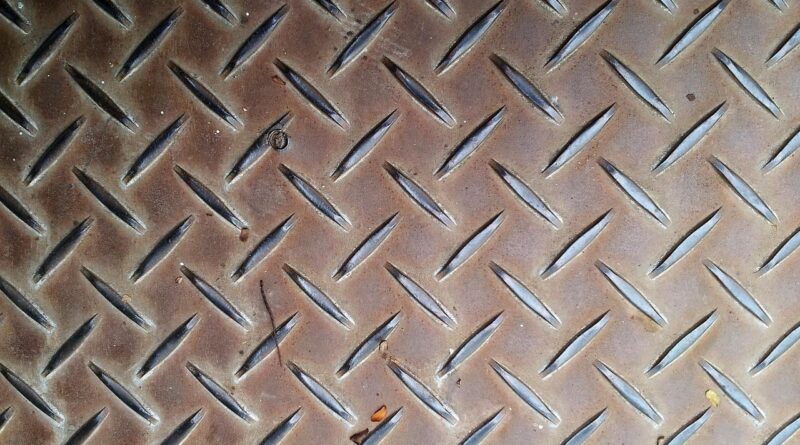
A practical guide to steel surface finish terms, standards, selection factors, and inspection points for machined parts, stainless sheet, and coated steel structures.
Read More
A practical surface finish table helps engineers relate Ra values, microinch callouts, roughness grades and realistic manufacturing processes. This guide explains how to use those numbers without over-specifying a drawing.
Read More
Abrasive water jet machining uses high-pressure water and hard abrasive particles to erode material without the thermal damage associated with many heat-based cutting processes. This guide explains how the process works, where it fits in manufacturing, and what engineers should specify when part quality matters.
Read More
A track hoe is a tracked hydraulic excavator built for digging, trenching, lifting, grading and demolition support. This guide explains how it differs from a backhoe, how to choose the right size, and which safety and technology factors matter on modern jobsites.
Read More
A practical buyer’s guide for comparing Genie material lifts, GS scissor lifts, and boom lifts before purchase, including model specifications, inspection records, safety requirements, and total ownership cost.
Read More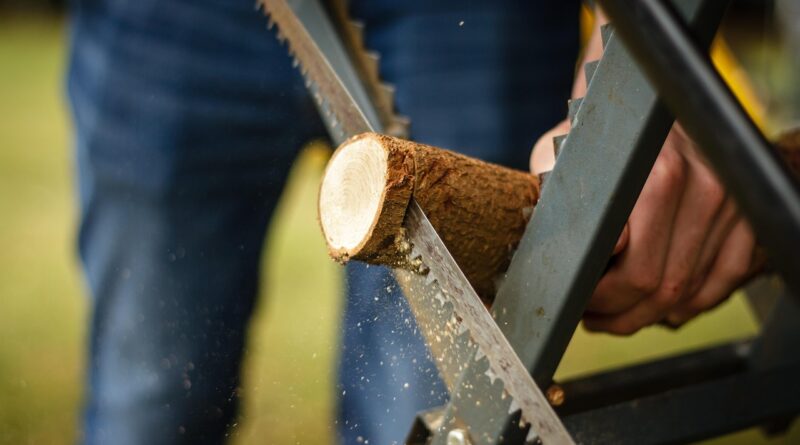
This guide explains how to choose a hand saw for wood cutting by matching tooth pattern, TPI, blade style and technique to the work. It also covers safety and maintenance checks that help improve cut quality and reduce avoidable tool damage.
Read More
Choosing the right tile cutting disc depends on the tile material, rim style, cutting method and machine speed. This guide explains how to match disc design to cut quality, productivity and safer dust control.
Read More
CNC milling machine programming translates part requirements into controlled tool motion, offsets, feeds, speeds, and safety checks. This guide covers the shop-floor workflow from setup planning and G-code structure to CAM output, verification, and common error prevention.
Read More
Mazak CNC programming usually comes down to choosing between MAZATROL conversational programming, EIA/ISO G-code, and CAM-posted programs. This guide explains where each approach fits, how hybrid workflows are used, and what shops should verify before releasing a job to production.
Read More
Rz25 surface finish usually means a 25 µm Rz roughness limit, but the drawing standard, units and measurement setup still matter. This guide explains how to read, specify and inspect it without confusing Rz with Ra.
Read More