
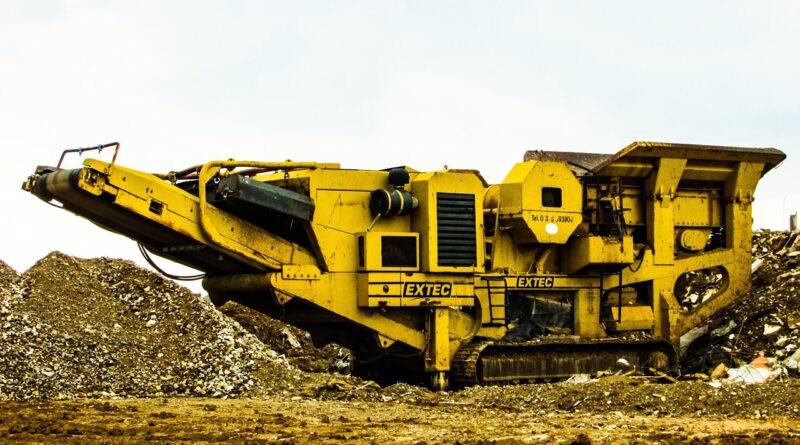
Jaw crusher for sale buyer guide for quarry and recycling projects
What buyers need to know first
Searching for a jaw crusher for sale normally points to a clear operating need: a quarry, mine, recycling yard or contractor needs a primary crusher, or a project team is preparing specifications before requesting quotes. The best choice is rarely the unit with the lowest advertised price. A jaw crusher should be compared by feed opening, top feed size, closed side setting, expected throughput, jaw profile, power demand, safety access, wear-part support and the full cost of moving, installing and maintaining the machine. For related equipment coverage, visit the Equipment & Machines section on MechMeld.
A jaw crusher reduces rock, ore, concrete or demolition material by compressing it between a fixed jaw and a moving jaw. It is commonly used as a primary crusher because it can accept large, irregular feed and prepare material for secondary cone crushers, impact crushers, screens or stockpiles. Public manufacturer guides from McLanahan, Metso and Sandvik point to the same basic principle: size the machine around the material and production requirement first, then compare models and prices.
Match the crusher to material, feed and final product
The first buying question is not how many tons per hour a jaw crusher can produce under ideal conditions. It is whether the crusher can handle your actual feed consistently, safely and economically. Hard granite, abrasive basalt, recycled concrete with rebar, limestone, slag and mixed demolition waste all place different loads on the jaw dies, toggle system, drive and conveyor arrangement.
Before comparing listings, define the application in measurable terms. At minimum, record the feed material, maximum lump size, percentage of fines, moisture level, abrasiveness, required output size, daily operating hours and downstream equipment. A crusher that looks oversized on paper may be justified if the feed is blocky or highly variable. A unit that appears adequate by horsepower may still disappoint if the chamber is frequently bridged by stones larger than the feed opening can accept.
Feed opening and top feed size
Jaw crushers are commonly described by feed opening dimensions, such as width by depth. A widely used sizing rule in manufacturer literature is that the largest regular feed should be comfortably smaller than the feed opening. Many guides use an approximate 80 percent relationship between top feed and gape as a practical starting point. This does not replace model-specific capacity charts, but it is a useful way to screen out unsuitable machines early.
Closed side setting and product size
The closed side setting, often shortened to CSS, is the minimum discharge opening when the jaw plates are closest together. A tighter CSS can produce smaller material, but it can also reduce capacity, increase wear and raise power demand. Final product size is also affected by jaw profile, stroke, feed gradation and whether the crusher is choke-fed evenly or loaded in surges.
Capacity claims and real production
Advertised capacity ranges are estimates based on defined test or application conditions. Real output depends on feed consistency, loader discipline, grizzly setup, moisture, fines content, discharge conveyor capacity and screen bottlenecks. When comparing a jaw crusher for sale, ask for the capacity curve at the intended CSS and the assumptions behind that curve. If a seller cannot explain the feed material and setting used for a claimed output figure, treat the number as a starting estimate rather than a purchase basis.
Stationary, portable and mobile jaw crushers
The next decision is configuration. Stationary jaw crushers are usually selected for fixed plants where foundations, electrical infrastructure and downstream conveyors are already planned. They can be efficient for long-term quarry or mining duty, but installation cost, civil work and permitting can be significant.
Portable jaw plants are built on frames, skids or wheeled chassis. They suit contractors and aggregate producers that move between sites but still want a robust primary crushing setup. They often require external power or a generator, support equipment and careful transport planning.
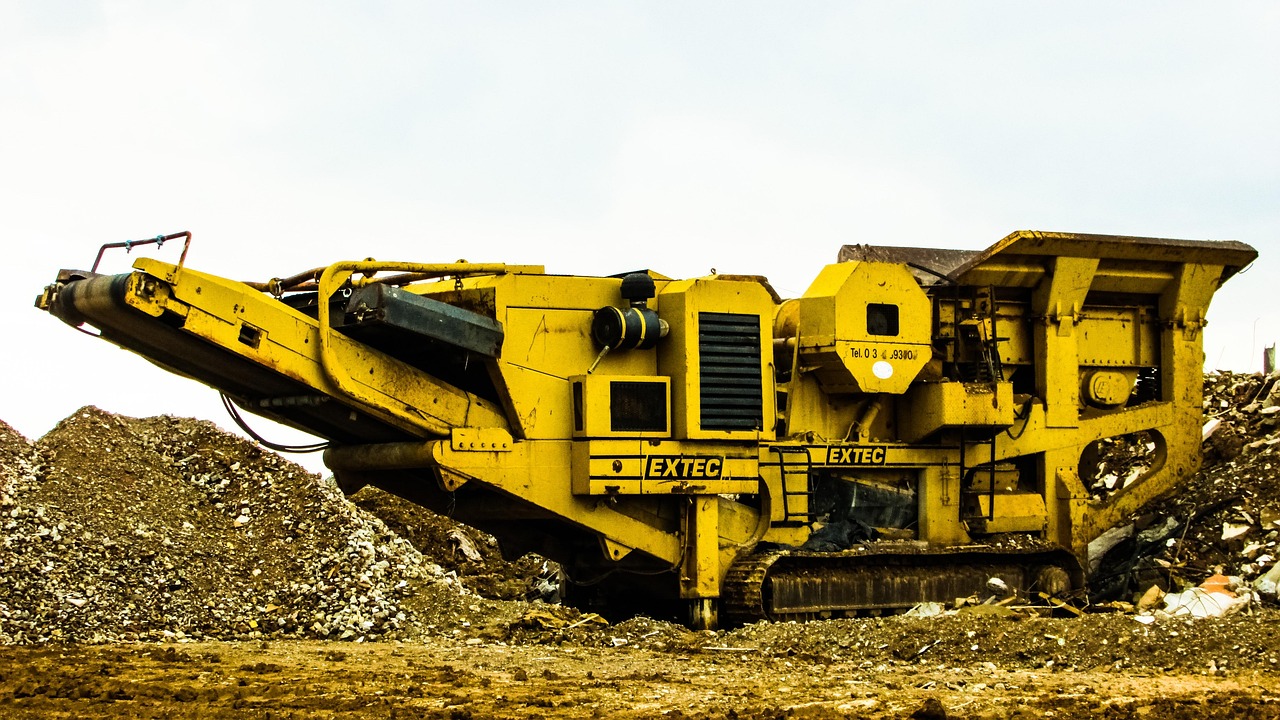
Tracked mobile jaw crushers add self-propelled movement, integrated feed hoppers, conveyors and often onboard power. They are useful in demolition recycling, road projects and temporary quarry campaigns where relocation time matters. The tradeoff is that mobile machines add undercarriage, hydraulic, electronic and engine systems that must be inspected and maintained along with the crusher itself. ISO terminology for mobile crushers focuses on machines capable of relocation between worksites, which is a useful distinction when comparing mobile, portable and stationary sales descriptions.
| Configuration | Best fit | Key buying risk |
|---|---|---|
| Stationary jaw crusher | Long-term fixed quarry, mine or plant installation | Foundation, electrical and integration costs may exceed the crusher price |
| Portable jaw plant | Regional contractors and producers moving between jobs | Transport dimensions, setup time and power supply can limit flexibility |
| Tracked mobile jaw crusher | Demolition, recycling and temporary crushing campaigns | Engine hours, tracks, hydraulics and electronics need close inspection |
New or used jaw crusher for sale
A new jaw crusher offers current factory support, known specification, warranty coverage and configuration choices such as hydraulic setting adjustment, chamber clearing systems, magnet options and remote monitoring packages. It also gives the buyer more control over jaw profiles, feed hopper design, guarding and integration with the rest of the plant. The main drawbacks are capital cost, lead time and possible delays linked to transport or site readiness.
A used jaw crusher can be a sensible purchase when the frame is sound, wear parts are available and the machine matches the application without major modification. Used equipment may also be available faster than new equipment. However, buyers should not confuse fresh paint with mechanical condition. Jaw crushers are high-load machines, and fatigue, poor lubrication, overloaded operation and neglected bearings can turn a low purchase price into a costly repair project.
The most reliable used-equipment review combines documentation, inspection and a realistic refurbishment budget. Ask for the serial number, year of manufacture, operating hours if available, maintenance records, parts history, jaw die condition, bearing replacement history, toggle plate records, CSS adjustment condition and any known structural repairs. If the crusher is mounted on a mobile or portable plant, also inspect feeders, prescreens, conveyors, magnets, engines, pumps, track frames, electrical cabinets and emergency stops.
Inspection checklist before making an offer
A practical inspection should separate normal wear from structural or operational risk. Wear liners and jaw dies are expected consumables. Cracked frames, distorted toggle seats, recurring bearing heat, poor guarding or undocumented weld repairs are more serious concerns.
- Check the crusher frame for cracks, distortion, corrosion and non-factory weld repairs.
- Inspect jaw dies for uneven wear, loose wedges, correct profile and remaining life.
- Review toggle plate, toggle seats and tension rod condition for alignment and wear.
- Ask how CSS is adjusted and whether hydraulic or wedge systems operate smoothly.
- Look for oil leaks, contaminated grease, overheating signs and missing lubrication records.
- Inspect flywheels, belts, guards, pulleys, couplings and drive alignment.
- Confirm feed hopper, grizzly, bypass chute and discharge conveyor dimensions match the job.
- Test emergency stops, pull cords, start alarms, interlocks and access platforms where possible.
- For mobile units, review engine hours, emission configuration, hydraulic pressures, track wear and fault codes.
- Verify that manuals, parts books and electrical drawings are available before final payment.
If a machine cannot be run under load, price that risk into the offer. A no-load demonstration confirms only part of the picture. Bearing temperature, power draw, vibration, belt slip, chamber clearing and discharge flow are easier to judge when the crusher processes material similar to the intended application. See also: CNC Machining.
Ownership costs, safety and compliance
The purchase price is only one part of the cost. Jaw dies, cheek plates, bearings, belts, hydraulic components, manganese wear parts, oil, grease, screens, conveyors and downtime all affect operating cost. Transport can also be expensive because crushers are heavy, and mobile units may require permits, escorts, route planning or partial disassembly.
Wear-part availability deserves close attention. A machine with an attractive price may become expensive if jaw dies are rare, dealer support is weak or lead times are long. Before buying, confirm part numbers, aftermarket options, local dealer coverage and whether the chamber accepts standard wear profiles. For abrasive applications, ask whether thicker or specialized jaw profiles are available and how they affect feed opening and CSS range.
Safety should be part of the purchase decision, not an afterthought. Public guidance from the United Kingdom Health and Safety Executive identifies key mobile jaw crusher risks such as guarding, clearing blocked crushers, slips and trips, and interaction between loading machines and the crusher. In the United States, OSHA lockout and tagout requirements apply to servicing and maintenance where unexpected startup or release of stored energy could injure workers. Crushing rock, concrete or similar materials can also create respirable crystalline silica exposure; OSHA’s permissible exposure limit for respirable crystalline silica is 50 micrograms per cubic meter of air as an 8-hour time-weighted average. Mines and quarries may also fall under MSHA rules.
For buyers, this means the crusher should be evaluated for guard condition, safe access, isolation points, dust suppression, remote clearing procedures, noise controls, lighting, walkways and operator visibility. A bargain unit that requires major safety upgrades may not remain a bargain after compliance work, lost time and risk exposure are considered.
How to build a better quote request
A clear quote request saves time and reduces the chance of buying the wrong crusher. Instead of asking only for price and availability, give the supplier a concise operating brief. Include material type, bulk density if known, maximum feed size, target product size, required throughput, operating hours, site power, climate, mobility requirement, downstream equipment and any local regulatory constraints.
Ask each seller to respond with the same information: model, feed opening, recommended CSS range, expected capacity at your target setting, installed power, transport weight, dimensions, jaw die type, wear-part availability, warranty or as-is terms, included accessories, excluded costs and delivery timeline. This creates a fair comparison between machines and makes different assumptions easier to spot.
| Question to ask | Why it matters |
|---|---|
| What feed size and CSS support the capacity claim? | Prevents comparing ideal brochure output with realistic site output |
| Which jaw profile is installed? | Affects grip, wear rate, product size and allowable feed |
| Are wear parts available locally? | Reduces downtime risk and emergency freight cost |
| What safety systems are included? | Helps estimate guarding, access, dust and lockout upgrades |
| What is excluded from the price? | Clarifies freight, commissioning, foundations, power, conveyors and taxes |
Frequently asked questions
What size jaw crusher should I buy?
Start with the largest expected feed, the target product size and required tons per hour. Then compare models using the manufacturer’s capacity chart at the intended CSS. If the material is hard, abrasive, wet or highly variable, build in capacity margin rather than sizing the crusher at the edge of its published range.
Is a used jaw crusher worth buying?
Yes, if the machine matches the application and passes a careful mechanical, structural and safety inspection. The best used purchase usually has traceable maintenance records, available wear parts, a sound frame, a realistic refurbishment budget and a seller willing to support inspection.
Should I choose a jaw crusher or an impact crusher for recycled concrete?
A jaw crusher is often chosen for primary reduction and handling larger, harder feed. An impact crusher can produce a more cubical product and may be useful for certain recycling specifications, but it can have higher wear in abrasive material. Many recycling spreads use a jaw crusher first, then add screening, magnets or secondary crushing depending on product requirements.
What documents should I request before buying?
Request the serial number, manuals, parts book, maintenance records, inspection reports, engine or motor information, hydraulic and electrical diagrams, wear-part part numbers and proof of ownership. For mobile units, request engine hours, emissions information, transport dimensions and service history for tracks and hydraulics.
What is the biggest mistake when comparing jaw crushers for sale?
The biggest mistake is comparing by price alone. A lower-cost machine can become more expensive if it is undersized, difficult to transport, missing safety systems, hard to source parts for or poorly matched to the required CSS and throughput. A better comparison includes application fit, inspection findings and total ownership cost.