
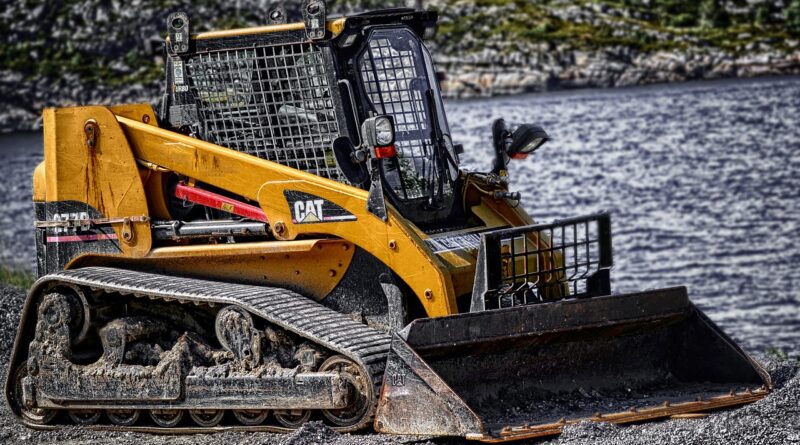
Skid steer loader guide for specs, attachments and safe operation
Quick answer for buyers and fleet planners
A skid steer loader is a compact, wheeled loader designed to lift, carry, dig, grade and run attachments in confined work areas. The right machine is rarely the one with the highest horsepower. It is the one whose rated operating capacity, lift path, hydraulic flow, operating weight, dimensions and attachment package match the work it will do every day.
For paved yards, factories, construction staging areas and rental fleets, wheeled skid steers can be faster and less costly to maintain than tracked machines. On soft soil, mud or uneven ground, a compact track loader may be the better choice. Before comparing models, define the heaviest routine load, the tallest dump or rack height, the ground surface, trailer limits, required attachments and operator safety controls.
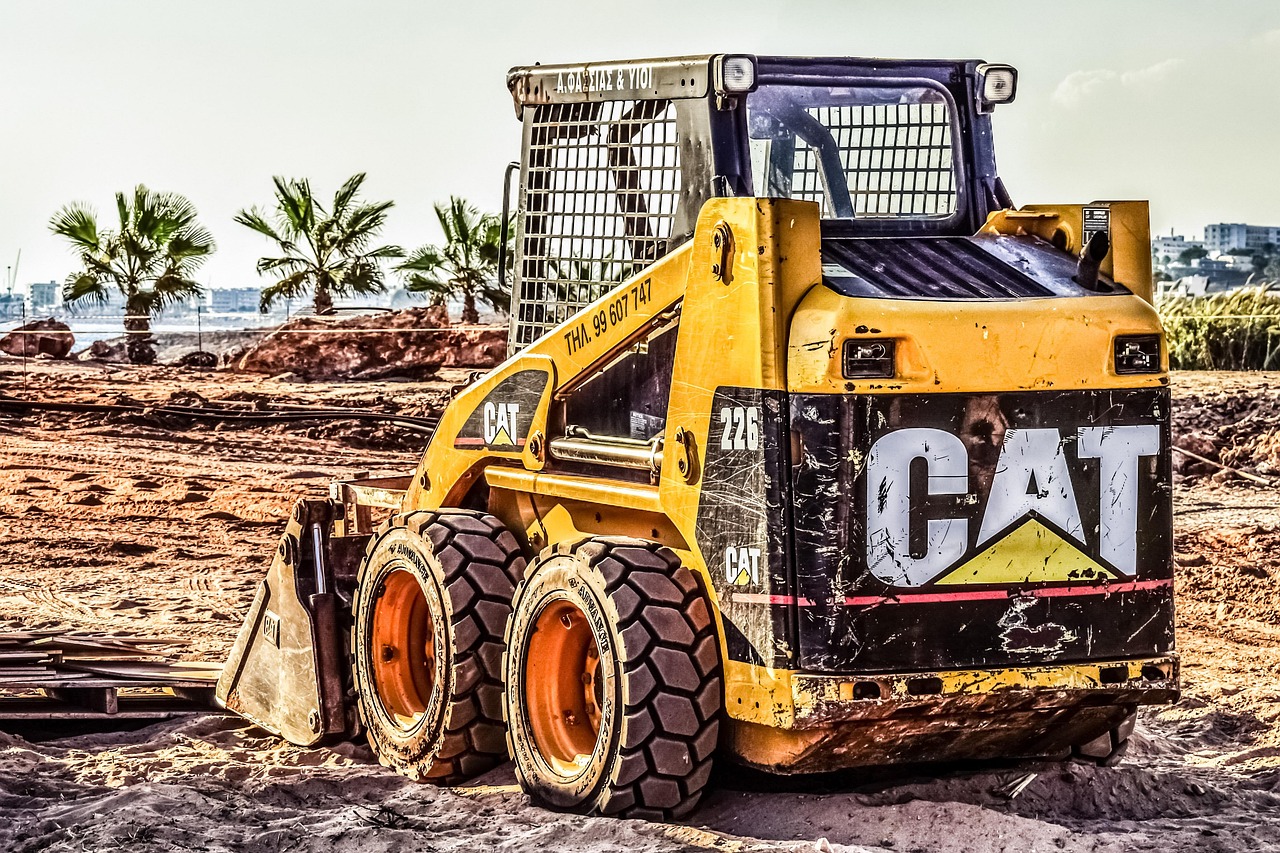
What a skid steer loader is and where it fits
A skid steer loader turns by varying wheel speed from side to side. One side can slow, stop or reverse while the other side drives forward, allowing the machine to pivot in a very short space. That maneuverability is why skid steers are widely used around pallets, building shells, loading bays, scrap areas, feed lots, demolition interiors and congested construction sites.
The same steering method also has a drawback. Aggressive pivot turns can scuff asphalt, concrete coatings, turf and finished floors. In an industrial yard, that may be acceptable. In landscaping, warehouse or indoor work, surface damage, tire marks, floor load limits and ventilation can become deciding factors.
Most skid steers use a front quick coupler so the loader can change between a bucket, pallet forks, grapple, sweeper, snow blade, auger, breaker, trencher or other tool. That attachment ecosystem is the main reason one machine can replace several task-specific machines in a compact fleet. The trade-off is that every attachment brings its own hydraulic, weight, visibility and safety requirements.
Key specifications that matter before comparing brands
Manufacturer specifications are useful, but they need context. Bobcat, CASE, JCB, John Deere and other manufacturers commonly publish horsepower, operating weight, rated operating capacity, tipping load, lift height, hydraulic flow and travel speed. These figures do not fully predict jobsite productivity, but they help buyers narrow the shortlist.
| Specification | What it tells you | Why it matters |
|---|---|---|
| Rated operating capacity | The working load rating stated by the manufacturer, often tied to a percentage of tipping load | Helps size the loader for pallets, bulk bags, bins, debris and lifted attachments |
| Tipping load | The load at which stability is lost under defined test conditions | Shows the stability basis behind the operating rating, but should not be treated as a normal payload |
| Operating weight | The machine weight in working configuration | Affects transport, floor loading, traction, rutting, fuel use and recovery planning |
| Lift path | Radial or vertical arm geometry | Influences digging, truck loading, reach at height and material handling performance |
| Auxiliary hydraulic flow | Oil flow available to power attachments | Determines whether tools such as planers, mulchers, trenchers and brooms can perform correctly |
| Overall width and height | Machine envelope, usually with standard tires and bucket removed or installed depending on the spec sheet | Important for gates, aisles, trailers, containers, doorways and mezzanine access |
For a practical comparison, start with the load. If the routine job is moving 2,400 lb pallets across a concrete yard, a loader with a 1,750 lb rated operating capacity is not a safe or efficient match, even if it has enough horsepower to travel quickly. If the work is scraping, backfilling and loading loose aggregate, breakout force, bucket geometry, traction and visibility may matter more than pallet capacity.
Published product lineups show how broad the category is. Small skid steers may be below 50 hp and under 6,000 lb operating weight, while large-frame models can approach or exceed 90 hp and 9,000 lb depending on brand and configuration. Rated operating capacities in recent manufacturer materials range from well under 1,000 lb for the smallest models to the mid-3,000 lb range for large wheeled units. Exact figures change by market, tire, counterweight, attachment and model year, so buyers should verify the data plate and the latest spec sheet for the exact machine under consideration.
Radial lift, vertical lift or a tracked alternative
Lift path is one of the most important choices because it affects how the loader behaves through the boom arc. A radial-lift skid steer moves the load in an arc. It is often selected for digging, grading, backfilling and low-to-mid-height work where simplicity, visibility and breakout performance are priorities.
A vertical-lift skid steer uses linkage geometry that keeps the load path more vertical as the arms rise. This design is often preferred for truck loading, pallet handling, dumping into hoppers, placing material over sideboards and working at full lift height. Depending on the model, it can also provide better forward reach near the top of the lift cycle.
The next decision is whether the application calls for a wheeled skid steer or a compact track loader. A wheeled machine is typically attractive on concrete, asphalt, compacted gravel and other firm surfaces because it can be faster, simpler to transport and less costly to maintain than a tracked machine with an undercarriage. A compact track loader spreads weight over a larger contact area and can deliver better traction on soft, muddy or uneven ground. The tracked machine, however, adds undercarriage wear, higher replacement cost and different turning behavior.
For manufacturing yards and plant maintenance, the wheeled skid steer remains a strong fit when floors are strong enough, turning marks are acceptable and the machine needs to move frequently between loading, cleanup and material handling tasks. For earthwork after rain, slope work or rough ground, a tracked loader may be the better tool even if the attachment list is similar.
Attachment planning changes the machine choice
The loader should be selected around its highest-value attachments, not only around its bucket. Pallet forks require stability, visibility and enough rated capacity at the expected load center. Grapples add weight ahead of the coupler, reducing the remaining payload available for logs, scrap or demolition debris. Snow pushers and angle blades need traction, hydraulic control and enough machine mass to push without excessive wheel spin.
Hydraulic attachments require closer matching. Augers, sweepers, trenchers, cold planers, breakers and brush cutters all depend on auxiliary hydraulic flow and pressure. Some tools will run on standard flow, while others require high-flow hydraulics and, in some cases, enhanced cooling. A loader that can physically connect to an attachment is not automatically a good match for it. The attachment manufacturer’s flow, pressure, weight and case-drain requirements should be checked against the loader’s specifications.
Controls are another practical issue. Basic attachments may need only raise, lower, tilt and one auxiliary function. More complex tools may require electrical controls, proportional hydraulic control, multiple functions or a dedicated harness. For fleets that rent or share attachments, standardizing couplers, hoses, connectors and control interfaces can reduce downtime and operator confusion.
Ballast and tire selection also change performance. Counterweights can raise rated operating capacity on some machines, but they add rear weight, change transport mass and affect handling. Tire choice changes flotation, puncture resistance, ride quality and traction. Solid or severe-duty tires may suit scrap yards and demolition, while pneumatic tires may provide a smoother ride on general construction sites. See also: CNC Machining.
Selection checklist for construction, plant and rental fleets
A skid steer loader purchase should begin with a written duty profile. It does not need to be complicated, but it should capture the constraints that determine daily productivity, not just the most impressive number in the brochure.
- Define the routine load. Use the heaviest common load, not the rare maximum, and include the weight of forks, grapples or other front-mounted attachments.
- Measure the lift target. Confirm dump height, truck side height, hopper edge height, rack height and overhead clearance.
- Map the surface. Concrete, asphalt, gravel, mud, turf and demolition rubble all favor different tires, ground pressure and protection packages.
- Check transport limits. Add machine, bucket, attachments, fuel and options to confirm trailer capacity, tie-down rating and tow-vehicle limits.
- Confirm hydraulic demand. Match auxiliary flow and pressure to the most demanding attachment that will be used regularly.
- Assess operator environment. Consider cab enclosure, heating or air conditioning, camera systems, visibility, control pattern preference and noise exposure.
- Plan service access. Daily checks, grease points, filters, tire service and attachment hose routing affect uptime more than brochure figures suggest.
For readers comparing compact equipment across applications, the Equipment & Machines section collects related machinery coverage and selection context.
Rental fleets need an additional filter: misuse tolerance. A rental skid steer may be used by operators with very different experience levels, so simple controls, durable tires, clear decals, telematics, serviceability and attachment compatibility can matter as much as peak lifting numbers. Plant maintenance teams may put more weight on repeatability, indoor clearance, clean tires, quick cleanup tools and predictable service intervals.
Safety, compliance and maintenance priorities
Skid steers are compact, but they are not light-duty machines. Safety guidance from U.S. occupational and public health agencies has repeatedly emphasized hazards such as rollover, runover, crushing, being pinned by moving lift arms, falling from the machine and being struck by loads or attachments. These hazards are especially serious because the operator station is close to the lift arms, bucket and attachment zone.
Core controls include using the seat belt and restraint bar, keeping rollover and falling-object protective structures in place, entering and exiting only according to the manufacturer’s procedure, lowering the attachment before leaving the seat and never carrying riders. Operators should keep the load low while traveling, avoid turning with a raised load, travel straight up and down grades where practical, and keep bystanders outside the work zone.
Maintenance is part of safety. Worn tires can reduce stability and braking performance. Damaged hydraulic hoses can fail near the operator or ground crew. Loose coupler pins can allow an attachment to shift or detach. A contaminated cab step or missing grab handle can turn entry and exit into a fall hazard. The daily walkaround should include tires, wheel nuts, hydraulic leaks, lift-arm supports, attachment lock pins, lights, alarms, mirrors or cameras, fluid levels and debris around the engine compartment.
Emissions and ventilation should not be treated as afterthoughts. Diesel skid steers sold into regulated markets must meet applicable nonroad engine emissions requirements for their engine class and date of manufacture. Aftertreatment systems vary by engine size and manufacturer, so maintenance planning should include regeneration procedures, diesel exhaust fluid if applicable, idle management and operator training. Indoor operation requires special attention to ventilation and may call for alternative power solutions where available.
Frequently asked questions
Is a skid steer loader the same as a compact track loader?
No. The upper machine layout and attachments can look similar, but a skid steer loader uses wheels while a compact track loader uses a tracked undercarriage. Wheeled skid steers are often favored on hard surfaces and for lower undercarriage cost. Track loaders are often favored for soft ground, traction and flotation.
What size skid steer loader do I need?
Start with the heaviest routine load, the required lift height, the working surface and the attachments. A small loader may fit tight spaces but run out of capacity. A large loader may lift more but create transport, access, floor loading and fuel-cost issues. The best size is the smallest machine that safely handles the regular work with enough margin.
What is rated operating capacity?
Rated operating capacity is the manufacturer’s stated working load rating under defined conditions. It is often based on a percentage of tipping load, but the exact basis can vary by machine type, region and standard. Buyers should compare the rating method, not only the number.
Are high-flow hydraulics necessary?
Not for every user. Buckets, forks and many basic attachments can work with standard hydraulics. High-flow hydraulics become important for demanding tools such as cold planers, larger trenchers, some mulchers, heavy sweepers and other attachments that need more oil flow to maintain productivity.
What is the biggest mistake when buying a skid steer loader?
The most common mistake is sizing the loader from horsepower alone. Horsepower matters, but rated capacity, hydraulic flow, lift path, stability, service access, attachment weight, transport limits and operator protection usually have a larger effect on daily performance and safety.