
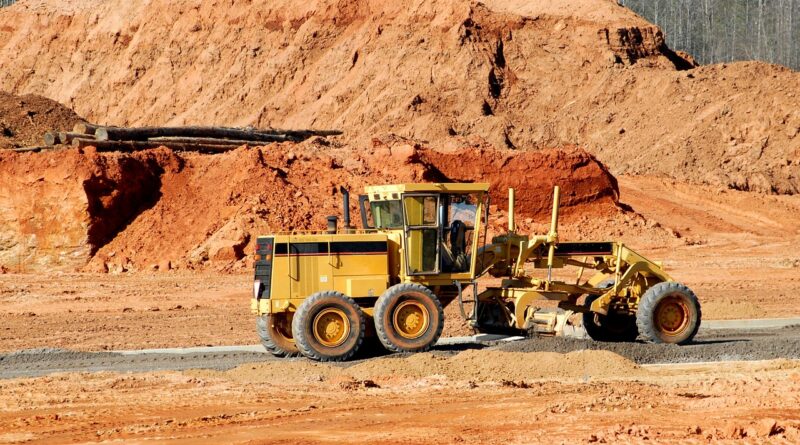
Cat grader guide to models, specs and jobsite applications
What a Cat grader is built to do
A Cat grader is a Caterpillar motor grader designed to cut, spread, shape and finish soil, aggregate, gravel and snow using a long, adjustable moldboard. The search intent behind “cat grader” is usually practical: buyers and fleet managers want to know which model class fits road maintenance, site preparation, ditching, shoulder work, fine grading or mine haul-road upkeep. In general, smaller and mid-size Cat graders such as the 120 and 140 suit general road and site work, the 150 and 160 models add power and heavier grading capability, and large machines such as the Cat 24 are built for mining haul roads. For more heavy-equipment coverage, see the Equipment & Machines section.
Unlike a bulldozer, which is optimized for pushing and rough earthmoving, a grader is valued for control. Operators adjust blade angle, pitch, side shift and lift to build a crown, maintain cross slope, clean ditches, blend windrows or leave a smooth final surface. That precision is why graders remain important on projects that also use excavators, compactors, dozers and pavers.
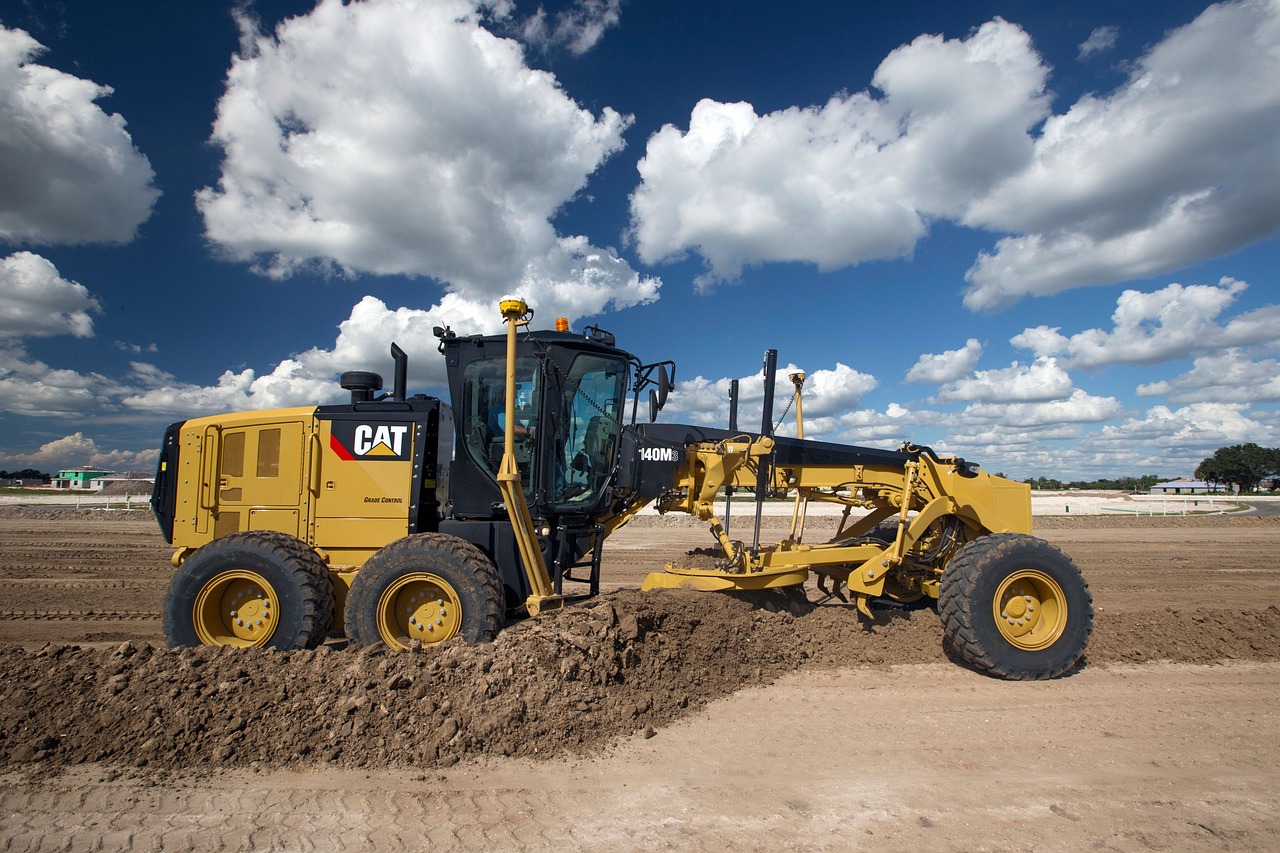
Current Cat grader lineup and specification context
Caterpillar’s current U.S. motor grader family spans compact road-maintenance machines, production graders and mining-class units. The listed product family includes models such as 120, 120 GC, 140 Next Gen, 140 GC, 150, 150 AWD, 150 Next Gen, 160, 160 AWD, 160 Next Gen, 14, 16, 18 and 24. Availability, emissions configuration and standard equipment can vary by region, so the figures below should be treated as model-reference data, not as a purchase quotation.
| Cat grader model | Specification snapshot from Caterpillar product data | Typical fit |
|---|---|---|
| Cat 120 | 174 hp net power, 37,106 lb typically equipped operating weight, 12 ft blade | Municipal road maintenance, shoulders, slopes, lighter site work |
| Cat 140 Next Gen | 255 hp net power, 42,543 lb typically equipped operating weight, 12 ft blade | General roadbuilding, maintenance grading, contractor fleet use |
| Cat 150 Next Gen | 219 hp net power, 45,012 lb typically equipped operating weight, 12 ft blade | Heavier road maintenance, fine grading, site preparation |
| Cat 160 Next Gen | 240 hp net power, 43,767 lb typically equipped operating weight, 14 ft blade | Higher-output road work, ditching, snow removal, demanding terrain |
| Cat 24 | 535 hp net power, 165,314 lb typically equipped operating weight, 24 ft blade | Mine haul-road maintenance and large-scale production grading |
The table also shows why model selection should not be reduced to horsepower. Blade width, machine weight, tire selection, all-wheel drive availability, drawbar-circle-moldboard design, control layout and grade-control readiness can matter as much as engine output. A 12 ft moldboard on a road-maintenance machine may be more productive than a larger blade when the work involves narrow shoulders, cul-de-sacs, intersections or frequent transport moves.
How to match a Cat grader to the job
Road maintenance and municipal work
For county, city and rural-road fleets, the main selection points are visibility, low-speed controllability, service access, operator comfort and attachment flexibility. A 120 or 140 class grader often fits this work because it balances weight and maneuverability. Typical tasks include reshaping gravel roads, pulling material from shoulders, cleaning shallow ditches, spreading aggregate and managing snow attachments where applicable.
GC models are generally positioned for buyers who want dependable grading with simpler technology and an emphasis on lower operating cost. That can suit fleets with multiple operators, long maintenance routes and no need for the highest level of automated grade-control integration on every machine.
Contractor site preparation and fine grading
Contractors usually look beyond basic grading capacity. They need to know whether the machine can support finish tolerances, faster setup and digital workflows. The Cat 140, 150 and 160 classes are more likely to be compared for these jobs. The choice depends on project scale, ground conditions, transport limits and whether the grader will spend more time on rough cuts, base preparation or final trimming.
Fine grading rewards stable blade response and repeatable low-speed control. Caterpillar’s Next Generation grader updates emphasize cab visibility, refined controls, grade technologies and drivetrain features that support finishing work. Even so, technology does not remove the need for an experienced operator, correct survey control, proper material moisture and a well-managed cut-fill plan.
Heavy-duty and mining applications
The Cat 24 sits in a different category from road-maintenance graders. With a 24 ft moldboard and mining-focused weight and power, it is designed for mine haul-road maintenance, where road condition affects truck cycle time, tire life and site productivity. This class requires planning around haul-road width, service infrastructure, tire management, operator training and dealer support. It is not a practical substitute for a mid-size grader on constrained civil construction sites.
Controls, grade technology and productivity features
One major change in modern Cat grader selection is the growing importance of the operator interface. Caterpillar announced on March 1, 2026 that the 150 and 160 motor graders were moving to the Next Generation platform with redesigned cabs, joystick and lever options, improved operator comfort and nine forward and six reverse gears. The 150 offers joystick availability, while the 160 uses joystick steering as a standard configuration in that announcement. For fleets with mixed operator preferences, control choice can affect utilization as much as raw performance.
Grade technology is another dividing line. Cat Grade with 3D for motor graders uses integrated machine components and GNSS receivers to help automate blade movements against a digital design. Cat Grade with Cross Slope Assist automates blade cross slope, which can reduce manual corrections and help operators reach target grade more consistently. Caterpillar states that Cross Slope Assist can reduce material usage by up to 40 percent in applicable conditions, but that figure should be read as a technology benefit claim rather than a guaranteed result on every jobsite.
For purchasing teams, the key question is not simply whether grade control is available. Buyers should confirm whether the machine is factory integrated, grade-ready, subscription-enabled, compatible with the contractor’s existing files and supported by local survey and dealer teams. A grader with advanced automation will not deliver its potential if jobsite data preparation is weak.
Maintenance, emissions and ownership factors
A Cat grader is often a high-utilization machine, so ownership cost depends heavily on service access, component life, tire wear, hydraulic condition, cutting-edge consumption and operator behavior. Current Cat product pages highlight grouped filters, ground-level fuel and DEF fills, engine idle shutdown, Eco mode and connected fleet monitoring as ways to reduce waste and simplify service routines. See also: CNC Machining.
Emissions configuration also matters. Current Tier 4 Final and EU Stage V machines use ultra-low sulfur diesel requirements, and Caterpillar notes approved fuel options such as biodiesel blends, renewable diesel, HVO and GTL within specified limits. Buyers comparing new and used graders should confirm the emissions system, local fuel quality, idle profile and dealer diagnostic support before committing to a machine.
Circle and moldboard maintenance deserve close attention because they directly affect grading accuracy. In August 2025, Caterpillar announced a High Performance Circle option for certain 140, 150 and 160 joystick models, describing it as a sealed-bearing design intended to reduce routine circle maintenance, wear-strip adjustment and planned service touchpoints. For fleets doing frequent finish grading, reduced circle play and smoother blade rotation can be more valuable than a small increase in engine power.
Practical selection checklist for buyers and fleet managers
Before buying, renting or specifying a Cat grader, match the machine to the work instead of relying on a single brochure number. The following checklist can help structure the decision:
- Primary task: Decide whether the grader will mainly maintain roads, build subgrade, finish base, clean ditches, plow snow or maintain haul roads.
- Blade size: Match moldboard width to lane width, road geometry, transport limits and turning space.
- Weight and traction: Consider all-wheel drive for soft shoulders, snow, slopes or low-traction surfaces.
- Control layout: Compare joystick, steering-wheel and lever preferences with the operators who will run the machine.
- Grade-control plan: Confirm whether 2D, cross-slope or 3D guidance is needed and whether job files, survey support and training are available.
- Attachments: Check compatibility for rippers, scarifiers, front blades, snow wings, V-plows, brooms and counterweights.
- Service support: Evaluate dealer response time, parts stocking, wear items, hydraulic service and telematics access.
- Used-machine inspection: Review articulation pins, circle wear, moldboard slide, hydraulic leaks, transmission behavior, tire condition, maintenance history and emissions-system status.
A new grader may be justified where uptime, technology integration and warranty coverage are essential. A used Cat grader may be more economical for seasonal or lower-hour work if inspection records are strong and wear points are within tolerance. Rental can be the right choice for short-duration grading packages, snow-season overflow or trialing grade-control features before a fleet purchase.
Frequently asked questions
Is a Cat grader the same as a Cat motor grader?
Yes. In everyday jobsite language, “Cat grader,” “Cat road grader” and “Cat motor grader” usually refer to the same type of Caterpillar machine: a wheeled grader with an adjustable moldboard used for shaping and finishing surfaces.
Which Cat grader is most common for road maintenance?
The 120 and 140 size classes are commonly associated with road maintenance because they offer a workable balance of power, visibility, blade width and maneuverability. The right model depends on road width, material, terrain, snow work and whether the fleet needs advanced grade technology.
When does all-wheel drive matter on a grader?
All-wheel drive is most useful where traction is limited, such as loose gravel, wet shoulders, snow, steep slopes or ditch work. It can improve control and productivity, but it also adds complexity and cost, so it should be specified for actual job conditions rather than assumed for every fleet.
Does Cat Grade with 3D replace a skilled operator?
No. Grade control can reduce manual checking, automate blade response and help follow a digital design, but it still depends on correct setup, site data, calibration, material behavior and operator judgment. It is best viewed as a productivity aid, not a substitute for grading skill.
Should a contractor buy or rent a Cat grader?
Buy when the grader will run enough hours to justify ownership, when technology integration is central to the workflow or when availability is critical. Rent when the need is seasonal, project-specific or uncertain, or when a fleet wants to evaluate a model before purchase.