

Hitachi excavator guide for construction, utility and mining fleets
What a Hitachi excavator is built to do
A Hitachi excavator is not one machine type. It is a broad hydraulic excavator family covering compact utility work, general construction, roadbuilding, quarry production and large-scale mining. For fleet managers, the first question is not whether a Hitachi excavator has enough power in general. It is whether the model class, hydraulic configuration, undercarriage, bucket, attachment circuit and support network fit the daily work cycle.
As of November 2026, Hitachi Construction Machinery Americas lists compact, medium-to-large and mining excavator categories. Company materials also show battery-powered models being developed or sold in selected markets. For broader equipment coverage, see Mechmeld’s Equipment & Machines section. In practice, buyers should start with jobsite limits and production targets, then use model specifications to narrow the list rather than treating a brochure as a checklist.
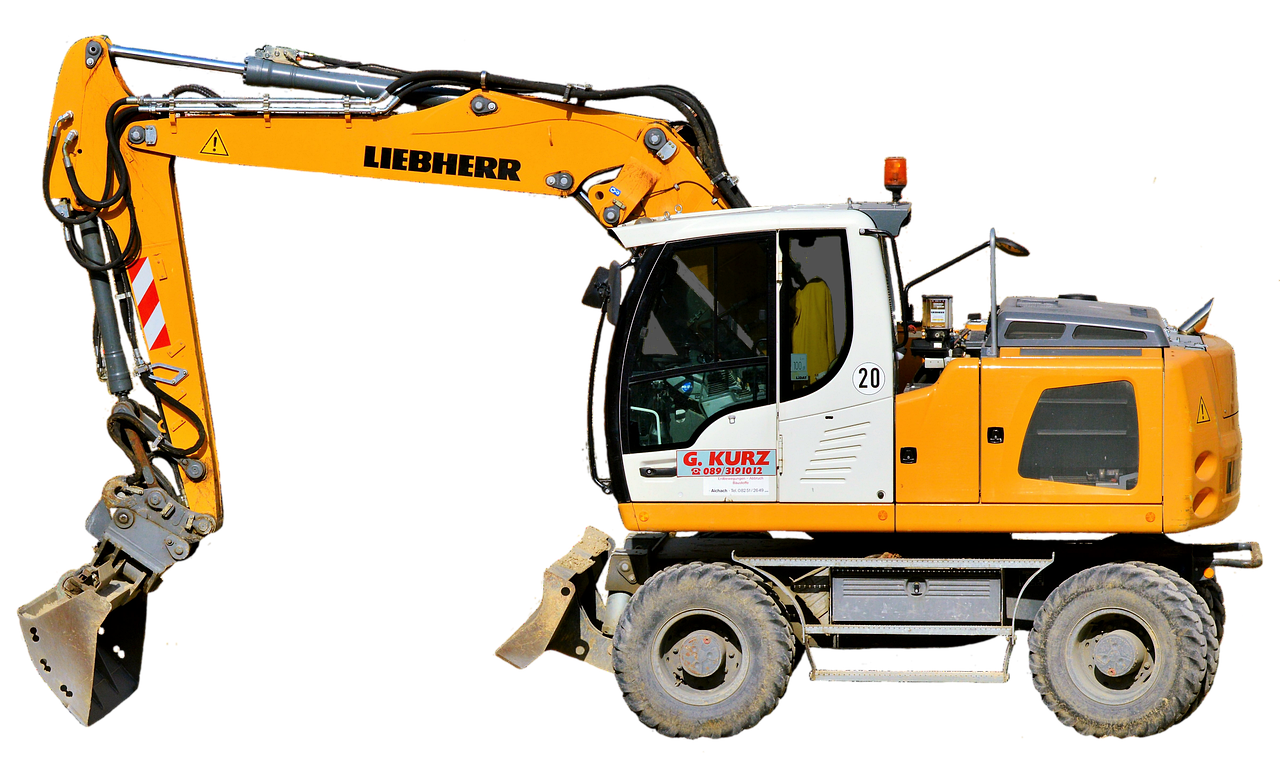
Where the current range fits
Hitachi’s excavator lineup is easiest to read by work class. Compact machines put access, transportability and light excavation first. Mid-size hydraulic excavators handle much of the everyday construction work: trenching, grading, site preparation and truck loading. Larger construction models move into heavy earthmoving, quarry support and infrastructure production. Mining excavators, including EX-series machines, are a separate category because bench height, truck matching, maintenance infrastructure and payload strategy matter as much as breakout force.
The figures below are based on model information published by Hitachi Construction Machinery Americas and global Hitachi Construction Machinery materials available in 2026. Specifications can change by market, emission package, undercarriage, arm length and installed attachment. Buyers should verify the current specification sheet for the exact configuration being quoted.
| Class | Example Hitachi excavator models | Published power or weight examples | Typical fit |
|---|---|---|---|
| Compact | ZX35U-5N, ZX50U-5N, ZX60USB-5N | ZX35U-5N is listed at 23.7 hp and 7,584 to 9,017 lb operating weight; ZX50U-5N is listed at 11,054 to 11,729 lb | Utility trenching, landscaping, residential excavation, confined access and small crews |
| Light to mid-size construction | ZX130-7H, ZX160LC-7H, ZX210LC-7H | ZX130-7H is listed at 100 hp; ZX210LC-7H is listed at 164 hp and 50,927 lb | Road work, site preparation, pipe work, basements, drainage and general contractor fleets |
| Heavy construction | ZX250LC-7H, ZX350LC-7H, ZX490LC-7H, ZX890LC-7H | ZX250LC-7H is listed at 177 hp and 60,186 lb; ZX890LC-7H is listed near 189,000 lb | Mass excavation, quarry support, heavy civil projects and high-volume truck loading |
| Mining | EX-series large excavators such as EX5600-7 | EX5600-7 configurations are published at roughly the 541,000 to 553,000 kg operating-weight range depending on version | Open-pit mining, continuous production, large haul trucks and planned maintenance systems |
Matching machine size to jobsite reality
The most common sizing error is treating operating weight as the only meaningful number. Weight matters for stability, transport and ground pressure, but it does not show whether the machine can reach the trench bottom, swing inside the available radius, lift safely over the side, keep cycle time in the material or run the attachments already in the fleet.
Compact and utility work
A compact Hitachi excavator makes sense when access and logistics drive the job. A ZX35U-5N-size machine, for example, may be the practical choice where a larger excavator would damage finished surfaces, struggle near structures or require transport equipment the contractor does not have. Key decision points include blade type, auxiliary hydraulics, cab or canopy, rubber versus steel track, service access and trailer limits. On small sites, a lighter machine that arrives quickly and works without moving obstacles can outperform a larger machine that spends time waiting for access.
General earthmoving and trenching
For many contractors, the 13-ton to 25-ton range is the center of the buying decision. A ZX130-7H-size excavator is easier to move and may be enough for utility trenches or smaller foundations. A ZX160LC-7H adds reach, weight and stability. A ZX210LC-7H moves into the familiar 20-ton class where general excavation, pipe bedding, truck loading and roadwork often overlap.
Buyers should compare maximum digging depth with the actual trench depth plus bedding room, not only the design depth. Lift capacity, counterweight, track width and bucket choice also determine whether the machine remains productive and safe near the edge of its work envelope.
Large earthmoving and mining
In heavier applications, cycle economics become the main driver. A ZX350LC-7H or larger construction excavator is usually selected because it can carry a larger bucket, load trucks faster and tolerate harder duty cycles. In mining, EX-series excavators sit inside a planned production system. The excavator must be matched to haul-truck capacity, bench geometry, material density, fill factor, underfoot conditions and planned service intervals. Oversizing can increase fuel burn and support cost; undersizing can create truck queues and missed production targets.
Hydraulics, cab and uptime features to evaluate
Hitachi’s reputation in hydraulic excavators is closely tied to controllability. For buyers, the useful question is not whether the hydraulics are described as smooth, but how the system behaves in the actual work cycle: trenching with fine control, simultaneous boom and arm movement, grading, breaker work, truck loading or long-reach operation. Hitachi Construction Machinery Americas describes patented Trias three-pump hydraulics on mid and large models. That type of system detail should be tested with the intended attachment and operator, not only compared on paper.
The operator environment also affects production. Cab visibility, monitor layout, seat comfort, control response, camera systems and noise levels influence how accurately an operator can work over a full shift. These features are often discussed as comfort items, but for fleet owners they also affect productivity and retention. A machine that reduces fatigue may help the operator hold grade, work closer to structures and reduce avoidable contact damage.
Uptime features deserve the same scrutiny as horsepower. Hitachi’s ConSite and ConSite OIL services are described by the company as tools for monitoring machine condition and oil condition across the equipment life cycle. In fleet terms, telematics and oil monitoring are most valuable when the owner has a maintenance process that acts on the data. Alerts, reports and sensors do not reduce downtime by themselves; the gain comes when service managers schedule inspections, parts and oil changes before a fault becomes a stopped machine.
Electrification and the 2027 brand transition
Two developments are especially relevant for anyone researching Hitachi excavators in 2026. The first is electrification. Hitachi Construction Machinery’s public materials state that battery-powered excavator models such as the ZX55U-6EB, ZE85 and ZE135 have been sold in Japan with portable charging equipment. In a separate company announcement, Hitachi Construction Machinery reported a May 19 to 21, 2026 demonstration in Maebashi, Gunma Prefecture, where ZE85 and ZE135 battery-powered excavators were operated simultaneously using a mobile energy storage system called Go-ENE. See also: CNC Machining.
That does not mean every buyer can order a battery-electric Hitachi excavator in every region. Availability, charging logistics, duty cycle and local support remain decisive. Battery-electric machines are most compelling where low noise, zero tailpipe emissions at the site, indoor or urban work rules, and predictable daily operating hours justify the planning effort. Diesel hydraulic models remain the normal choice for many remote, long-shift and heavy-production applications because fueling, service infrastructure and operating patterns are already established.
The second development is branding. Hitachi Construction Machinery announced on October 30, 2026 that it will change its trade name to LANDCROS Corporation and its corporate brand to LANDCROS effective April 1, 2027. The company’s Americas FAQ states that the transition is intended to preserve engineering, manufacturing processes, dealer relationships and support for Hitachi-branded machines, with visible equipment branding changing over time. For buyers, this is less a reason to delay a purchase than a reason to keep documentation clear: model, serial number, warranty terms, dealer responsibility, parts references and support expectations should all be recorded in the sales or rental file.
Ownership checklist before buying or renting
A well-specified excavator should fit both the work and the fleet around it. Before committing to a Hitachi excavator, buyers should confirm the following points with the dealer, rental supplier or internal maintenance team:
- Job envelope: maximum digging depth, reach at ground level, dump height, swing radius and lift needs at the expected radius.
- Ground conditions: soil bearing capacity, slope work, track width, shoe type and whether lower ground pressure is more important than compact transport width.
- Attachment plan: bucket size, coupler, thumb, breaker, compactor, tiltrotor or long-front equipment, including required hydraulic flow and pressure.
- Transport limits: machine weight with bucket, coupler, fuel, counterweight and any removable components, not just base operating weight.
- Service access: daily checks, filter locations, grease points, DEF and aftertreatment requirements where applicable, and technician familiarity.
- Digital support: telematics access, oil monitoring availability, alert workflow and who receives service reports.
- Dealer capability: parts stocking, field service response, rental backup, undercarriage support and coverage for current Hitachi and future LANDCROS-branded parts.
- Total cost: purchase or rental rate, fuel, wear parts, undercarriage, attachments, operator productivity, resale assumptions and downtime exposure.
Common selection mistakes
One mistake is buying for peak work rather than normal work. A contractor that only occasionally needs deeper reach may be better served by renting a larger excavator for those projects instead of owning a heavier machine year-round. Another mistake is underestimating attachment weight. A bucket, quick coupler and thumb can change the practical lifting and stability picture, particularly on compact and mid-size machines.
A third mistake is comparing specifications across markets without checking configuration. A model name may look similar across North America, Europe, Asia and Latin America, but engine packages, emissions equipment, standard features and available attachments may differ. Published data should be treated as a starting point for discussion, not a substitute for the current regional specification sheet.
Finally, buyers sometimes overlook operator acceptance. If the operator dislikes visibility, control feel or cab ergonomics, the machine may never deliver its theoretical productivity. A short demo in the actual material, with the intended bucket or attachment, is often more useful than a longer list of brochure features.
Frequently asked questions
Is Hitachi changing the excavator brand name?
Yes. Hitachi Construction Machinery announced that it will change its trade name and corporate brand to LANDCROS effective April 1, 2027. Company materials say the change should not disrupt dealer relationships, manufacturing processes or support for Hitachi-branded machines, but buyers should still document warranty and parts support clearly.
What size Hitachi excavator do most contractors compare first?
Many general contractors begin by comparing machines around the ZX130, ZX160 and ZX210 classes because those sizes cover a wide range of utility, roadwork, site preparation and truck-loading tasks. The right choice depends on transport limits, trench depth, lifting needs, attachment use and the amount of confined-space work.
Are battery-powered Hitachi excavators available everywhere?
No. Hitachi has publicized battery-powered excavator models and 2026 demonstrations, but availability depends on region, charging support, dealer offering and application. Buyers should verify local sales status and assess charging logistics before assuming a battery-electric model can replace a diesel machine on the same duty cycle.
Why do Hitachi excavator specifications differ by source?
Differences can come from market version, arm length, track shoe, counterweight, bucket, coupler, emission configuration and publication date. For purchasing, rental or bid work, use the current regional specification sheet for the exact machine configuration rather than a general product summary.