
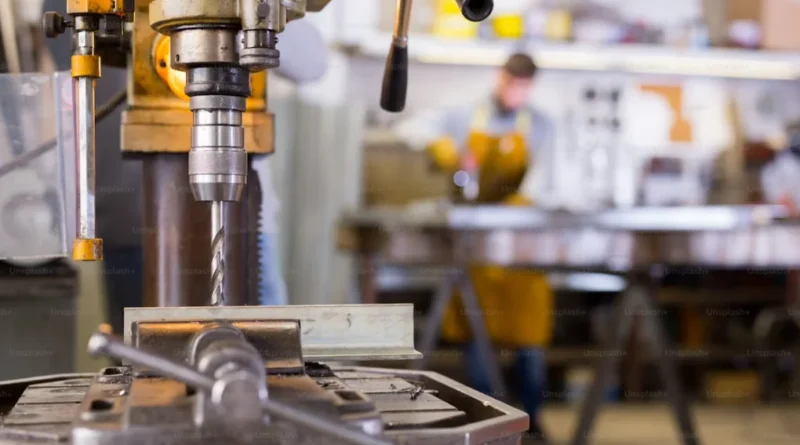
Why Drilling Machining Operations Outperform Traditional Techniques in Complex Materials
Why Do Drilling Machining Operations Offer Superior Performance in Complex Materials?
Drilling machining operations have grown way past just making basic holes. They handle tough stuff like titanium alloys, Inconel, or composites with a kind of steady control that older ways often can’t touch. This leads to better accuracy, smoother surfaces, and tools that last longer. All these points matter a lot in fields like aerospace, automotive, and energy. There, getting things exact is a must. Think about it— in a busy shop, one small slip can throw off the whole job.
Enhanced Precision and Dimensional Accuracy
New drilling methods keep close tolerances even with tricky alloys that are hard to cut. They use steady feed speeds and smart tool shapes to cut down on size errors. These errors often pop up from the material’s toughness or extra heat. Such accuracy helps parts fit together well and boosts assembly work. For example, in parts for plane engines, even a tiny shift of 0.02 mm might mess up how things line up. Today’s CNC-based drilling fixes these issues on the fly. It makes sure each hole matches what the design calls for. In real work, this means fewer headaches during final checks.
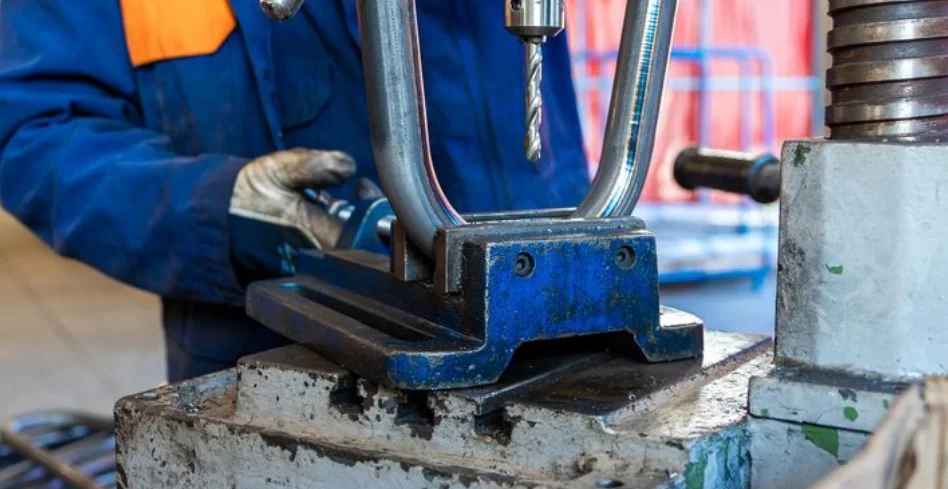
Optimized Tool Life and Wear Resistance
Tool wear hits costs hard when you work with rare metals. Special layers like TiAlN or diamond-like carbon stretch out how long tools last. They cut down on rubbing and stop chips from sticking to the tool face. Cooling tricks, such as built-in channels for coolant, hold the cutting heat steady. This eases stress on the tool and the part. When wear stays even over many jobs, you can plan tool swaps better. That cuts surprise stops in production. From my shop days, we’ve seen tools go twice as long with these simple changes.
Improved Surface Integrity and Finish Quality
Fast drilling cuts back on rough edges and tiny cracks that weaken parts against repeated stress. Steady cuts avoid hot spots, which is key for nickel-based superalloys that harden under pressure. The end surface not only appears neater but holds up better in tough use. In areas like medical devices or turbine parts, this means pieces last more cycles. It’s not just looks—it’s real strength in daily runs.
How Do Specialized Drilling Techniques Adapt to Material Complexity?
Materials keep getting fancier, like stacked composites or mixed metals. So, drilling has to shift gears on the spot. Smart drilling ways use clever controls to react to shifts in thickness, strength, or heat flow right away. This keeps things smooth, even when the material throws curveballs.
Adaptive Feed Control and Real-Time Monitoring
Adaptive feed control relies on sensors to watch twisting force and shakes during the cut. The setup tweaks the feed speed if it spots tougher spots or stuck fibers. This stops tools from snapping and keeps chips moving out of deep spots. Monitoring in the moment also stops chips from jamming the grooves. That’s a big problem in layered stuff like CFRP-titanium stacks. In practice, this has saved us from scrapping whole batches due to broken bits.
Multi-Axis Drilling for Complex Geometries
Systems with five axes let you reach tricky shapes without flipping the part over and over. Quick moves improve how holes line up on bent areas, like in turbine cases or bone implants. Less time on setups means quicker overall work while keeping shapes true. It’s a game-changer for custom jobs where every angle counts.
Cryogenic and Minimum Quantity Lubrication Methods
Cryogenic cooling pumps in liquid nitrogen to chill the cut area below freezing. This guards the material from heat damage in heavy work. Minimum Quantity Lubrication (MQL) sprays a light mist of oil to ease rubbing without big waste. Both fit well with green factory aims and keep cuts strong. We’ve tried MQL on long shifts, and it really trims down the mess.
What Makes Drilling Machining Operations More Efficient Than Traditional Methods?
In today’s shops, being efficient means getting more done with less effort: less power, fewer changes, quicker rounds. Drilling operations mix fast spindles with auto setups and number crunching to hit that sweet spot. Sometimes, it’s the little tweaks that add up to big saves over a year.
Integration of High-Speed Spindle Technology
Quick spindle turns allow faster drilling without losing straightness. Built-in shake absorbers keep things steady at top speeds. So, you hold good surfaces even with bold pushes. This trims time per piece and keeps sizes close. In high-volume lines, that extra speed can mean hitting daily goals easier.
Automation and CNC Programming Optimization
Auto drilling paths take over boring repeats, like hole groups on frames. CNC codes handle depth, pause times, and start angles just right. This matters for hidden holes or crossing bores. Auto work cuts out people mistakes and ups steady output in big lots. It’s reliable, but you still need eyes on it for odd cases.
Data Analytics for Process Optimization
Gathering data as you go spots patterns, like rising twist that hints at tool wear. Smart guesses let you swap tools before they fail and cause harm. Over months, these insights build better flows across full lines. We’ve used basic logs to spot a bad batch early, saving hours of rework.
Why Are Advanced Drilling Tools Essential for Modern Manufacturing?
Today’s factories need tools built for tough materials and wild designs. These drilling tools aren’t one-size-fits-all anymore. They’re made for specific jobs. Without them, you’d fight every cut.
Material-Specific Tool Design Innovations
Tailored shapes tackle odd issues in composites or superalloys. For instance, sloped angles stop peeling in carbon fiber sheets. Multi-point tips boost start accuracy in titanium. Layers help push out chips from gummy mixes like aluminum-lithium. Flute patterns guide coolant for deep holes over 10 times the width. In our tests, these tweaks turned messy jobs into clean ones.
Hybrid Tool Materials for Enhanced Durability
Mixes like carbide-cermet centers blend strength and sharpness well. Diamond-like layers fight wear from CFRP fibers that scrape like grit. These setups cut stoppages from quick swaps and hold steady over long hauls. They’re worth the upfront cost in busy setups.
Modular Tool Systems for Flexibility and Maintenance Efficiency
Modular tools let you swap tips fast for size or style shifts without pulling the whole setup. This slashes changeover time in shifts or test runs. Reusable bases trim stock needs, and easy links cut idle moments. It’s handy for shops juggling multiple orders.
How Do Drilling Machining Operations Contribute to Process Stability?
Steady processes set apart solid work from top-notch runs. They give even results no matter the lot size or worker’s know-how. Stability isn’t flashy, but it keeps things humming without surprises.
Controlled Thermal Management During Cutting
Smart coolant flow stops heat twists in tools and parts. This is crucial when fits are super tight, down to microns. Heat control keeps edges keen over full jobs. So, holes stay true from first to last. In hot shops, this alone prevents many headaches.
Vibration Suppression Through Advanced Fixturing
Strong hold-downs soak up jolts from angled cuts. Dampers in the setups quiet buzz that ruins finishes or rounds holes. With firm holds, you get even surfaces and true circles at fast paces. We’ve clamped down vibrations and seen waste drop by 20%.
Real-Time Process Feedback Systems
Sensors track twist, heat, and shakes non-stop. Quick loops tweak settings if something’s off. This stops slow drifts in long jobs and holds peak cuts all shift. It’s like having a watchful eye built in.
In What Ways Do Drilling Machining Operations Support Sustainable Manufacturing?
Green practices are now a must in factories, not a nice-to-have. Drilling helps by using less power, handling coolants cleaner, and making tools last. All this lightens the load on the planet without slowing work. Plus, it often saves money in the long run.
Reduction of Energy Consumption Through Process Optimization
Good chip clearing cuts extra power used per slice, as less force fights drag in grooves. Smart paths trim spin time between moves. Power-saving motors lower bills over steady use. In one plant I know, these steps shaved 15% off monthly energy tabs.
Eco-Friendly Coolant Management Practices
Reuse-friendly oils cut harm from old dump methods. Cleaners keep fluids fresh longer, so you swap less often. Closed systems block spills into the area. This meets new safety rules. It’s straightforward and keeps the floor dry.
Extended Tool Lifespan Reducing Material Waste
Tough tools mean fewer buys each year. That drops raw stuff used for new ones. Less scrap fits lean goals, turning most blanks into good parts. The overall mark on the air shrinks per piece. We’ve recycled worn tools into scrap value, adding a bonus.
How Can Manufacturers Maximize the Benefits of Drilling Machining Operations?
To get the most from these drilling setups, plan smart and train folks who get the machines and digital links in Industry 4.0 spots. It’s about blending people and tech right. Skip this, and you miss out.
Strategic Process Planning and Simulation
Computer models spot troubles early, like chip jams or overloads. You tweak speeds or routes before starting real cuts. This avoids mid-job halts. In trials, sims caught a flaw that would have cost a full day.
Skilled Operator Training for Advanced Equipment
The top auto gear still needs human checks. Ongoing lessons keep workers up on code changes or sensor tricks. They fix issues fast instead of just running scripts. Good training turns average shifts into smooth ones.
Integration With Smart Factory Ecosystems
Connected machines via IoT share stats across the network. You watch coolant heat or shake patterns from one spot. This clear view fits Industry 4.0 aims for tracking from stock to final checks. It ties everything together neatly.
FAQ
Q1: What are the main advantages of using advanced drilling machining operations?
A: They give better straightness, tools that last more, nicer surface looks, steadier runs, and higher output than old ways on hard stuff like superalloys or composites. In the end, it just makes the job easier.
Q2: How do adaptive control systems improve drilling performance?
A: They shift feed speeds on their own from sensor info on twist or shakes. This makes tools endure longer and keeps hole straightness steady through uneven material spots. We’ve seen it smooth out rough patches.
Q3: Why is cryogenic cooling beneficial during drilling?
A: It chills the cut area way down to avoid heat harm to the part and tool. This leads to even finishes, great for touchy metals like titanium or Inconel. Cold does wonders on sticky jobs.
Q4: What role does modular tooling play in modern manufacturing?
A: Modular setups allow fast tip swaps between tasks. This drops setup times a lot and cuts stock needs since bases reuse across types. It’s flexible for changing demands.
Q5: How do drilling machining operations support sustainability goals?
A: They cut power per round with smart routes, trim coolant throwaway with reuse fluids, and stretch tool life to use less raw goods. All this pushes toward cleaner factory ways. Small steps add up here.