
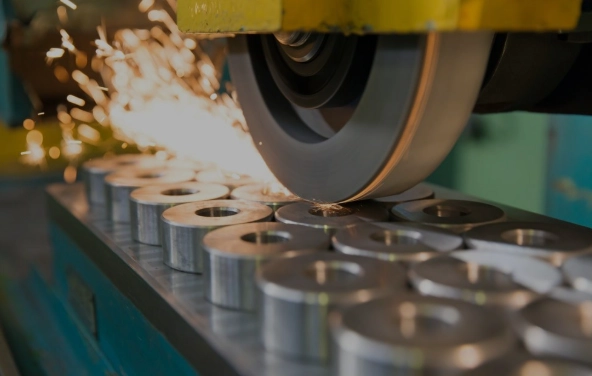
Is Superfinishing vs Honing vs Lapping the Ultimate Surface Precision Debate
What Defines the Core Principles of Superfinishing, Honing, and Lapping?
Precision finishing methods like superfinishing, honing, and lapping play a big role in fields where surface quality really matters for how things work. Each one aims to smooth surfaces by careful rubbing with abrasives. But they do it in different ways and get different results. If you examine these methods up close, you see that small changes in movement, force, and how abrasives touch the surface make each one special in its own right.
Surface Refinement Through Controlled Abrasion
These three processes all try to fix rough spots on surfaces and reach a certain feel or exact size. Superfinishing uses small abrasive stones or strips that rub the surface with back-and-forth movement. This gives it a gentle polish. Honing uses turning stones to fix the shape and make crisscross lines that hold oil well. Lapping puts loose abrasives between two surfaces to get very flat or shiny finishes. How much force you use, how fast it goes, and the size of the abrasives decide how well it smooths out bumps and helps the part work better. In my experience from shop floors, getting this balance right can make a huge difference in daily output.
Material Removal Mechanisms and Process Dynamics
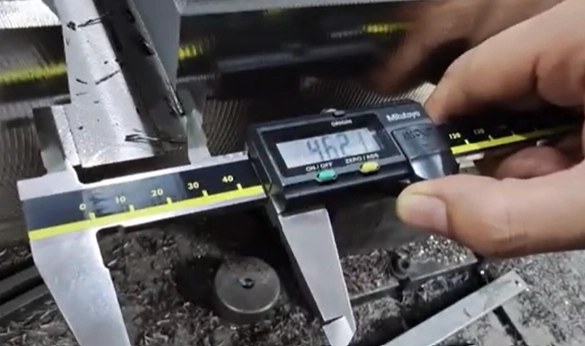
Superfinishing works by tiny rubs from steady back-and-forth action. It fixes small errors without changing the overall shape. Honing takes off more material with stones that turn and press into a hole or over a surface. Lapping relies on loose bits in a wet mix. These bits roll and slide between parts to create very fine surfaces. Each way handles different size needs. Superfinishing fixes things in microns. Honing gets the shape just right. Lapping smooths to nanometer levels. For example, in engine parts, honing might remove 0.01 mm to round a bore perfectly.
Typical Applications Across Precision Engineering Fields
People often pick superfinishing for bearing races, camshafts, and gears. These need strong resistance to tiredness from use. Honing suits cylinder holes in engines or parts in hydraulic systems. The patterns it makes keep oil in place for a long time. Lapping is key for optics and seals that must be super flat. Picture telescope mirrors or valve seats that hold tight under big pressure. It’s not always straightforward; sometimes you adjust for the material, like softer aluminum versus tough steel.
How Do Process Parameters Influence Surface Quality?
The settings in these processes shape how smooth or true-to-size the final piece turns out. Changing force, speed, abrasive kind, or the mix of cooling liquid can make the finish better or cause problems like bends.
The Role of Pressure, Speed, and Abrasive Size
Superfinishing uses light touch to avoid heat damage. This keeps a steady fine feel on the surface. In honing, the turning speed sets the slant and closeness of the crisscross lines. That’s vital for oil to stay put in engine cylinders. Lapping’s abrasive bits size controls flatness. Tiny bits make smoother results but take longer to cut. Workers with years on the job often change these based on the part’s stuff and how exact it needs to be. I’ve seen shops tweak speed from 100 to 200 rpm to hit the right pattern without overdoing it.
Coolant and Lubrication Effects on Surface Integrity
Cooling liquids do important work quietly in all these methods. The right fluid cuts down on rubbing heat and stops tiny breaks from happening. In honing, oil-based coolants carry away bits of waste fast. They also keep the stones sharp. For lapping, the wet mix’s thickness and how much abrasive it has affect cutting speed and evenness. If the coolant gets too hot, say over 50 degrees Celsius, it can warp thin parts— a common headache in high-volume runs.
Temperature Control and Dimensional Stability Considerations
Keeping heat steady matters a lot for tiny accuracy. Too much warmth in honing or lapping can bend parts as metal grows unevenly. Superfinishing skips this trouble with its soft-touch way that builds little heat. Steady room conditions through the whole job help get the same results batch after batch. In practice, air-conditioned shops help, but fans do the trick in smaller setups.
Why Do Different Industries Prefer One Process Over Another?
Various fields choose these finishing ways based on what the parts must do, not just money. Car makers want parts that wear out slow. Plane builders care about how long parts last under stress. Lens makers seek perfect shine.
Automotive and Aerospace Component Requirements
Superfinishing gives great strength against tiredness for crankshafts or turbine shafts that spin fast. Honing makes sure engine cylinders are round with good oil hold for better burn. Lapping makes tight seals for hydraulic valves or air system parts in planes. These choices aren’t random; they’re backed by tests showing 20-30% longer life in real use.
Tooling, Die, and Mold Manufacturing Demands
For making dies or molds, honing smooths inside spaces with steady shape for exact copies. Lapping gives shiny mold faces needed for clear plastic like lenses or covers. Superfinishing boosts tool life by cutting rub wear during many uses. It’s a smart spend that avoids big stops later. One factory I know cut downtime by half this way.
Optical, Electronic, and Medical Device Applications
Lapping rules in lens making because it gets flatness down to nanometers for clear light paths. For surgery tools from tough steel, superfinishing cuts spots where rust starts and adds a nice clean look doctors like. Honing fits small hole finishing in sensors or tubes where size must be spot on. In electronics, it helps tiny parts stay reliable under heat.
What Are the Key Differences in Equipment Design and Operation?
Though they all aim to better surface feel, the machines for these differ a lot in build and how you run them. It’s like comparing a gentle sander to a drill press.
Machine Architecture and Motion Control Systems
Superfinishing setups have shaking heads with steady feed parts that keep even force on round spots like bearing shafts. Honing machines use spinning shafts with parts that spread out to fit different hole sizes. Lapping gear has turning plates or ring carriers. You can adjust their speeds to match cutting speed with finish good enough. Controls have gotten smarter, but basics stay the same.
Tooling Configurations and Abrasive Media Selection
The tools you pick shape the results as much as the machine. Superfinishing often takes fine-grit stuck stones or strips for little cut but lots of smoothness. Honing picks baked or glued sticks that match the part’s hardness, from iron blocks to hard steel tubes. Lapping stands out with free bits like aluminum oxide or diamond dust in liquid. This works on stuff from glass to clay-like materials. Picking the wrong grit can waste a whole shift, as pros know.
Automation Integration and Process Monitoring Technologies
Today’s lines often add computer-run honing systems that hold bore shape on their own over long jobs with little help from people. Auto lapping watches turning force to keep even push on all pieces at once. In top shops, superfinishing now has live feel sensors that send info back to adjust settings. This moves toward all-digital surface work. Still, human eyes catch things machines miss sometimes.
How Do These Processes Affect the Functional Performance of Components?
Surface feel goes beyond looks. It changes how parts handle push, heat shifts, oil setups, or harsh settings.
Friction Reduction and Wear Resistance Improvements
Superfinished surfaces cut down sharp spots under moving loads. This drops rub numbers while running. Good honed feels hold oil layers even in tough presses, making parts last longer. Lapped finishes lower pull between matching parts. That’s key in pumps or air squeezers where lost power means higher bills. Real-world tests show friction drops by up to 40% in oiled gears.
Load-Bearing Capacity and Fatigue Life Enhancement
The fine smoothing from superfinishing holds off crack starts that cause early breaks in spinning groups like gears or wheels. Honing’s crisscross spreads push evenly over touch spots, building steady hold over time. Lapped parts fit better under squeeze for tight seals without slow bend. In aerospace, this means safer flights; one study noted 50% more cycles before failure.
Corrosion Resistance and Aesthetic Value Contributions
Smooth metal from superfinishing limits rust start spots. Dirt has fewer places to trap water that leads to rust in long outdoor use like on ships. Lapped items show bright shine wanted not just for work but looks in lens tools where clear sight counts for eyes and tech. Honed feels give even look with real-world use, easy to spot in open hydraulic parts. It’s practical and neat.
What Are the Economic Considerations When Choosing Between Them?
Weighing money against better work is key in busy making spots that aim for trust without wasting funds.
Process Time, Throughput, and Cost Efficiency
Honing cuts material quicker, good for middle steps in making. But it might need extra shine later if the rules are strict. This adds a bit to the time for each batch. In real shops, you see honing run at 10-15 parts per hour, depending on size. Superfinishing costs more at first per piece. Yet it makes parts last way longer. This cuts down on swaps and fix bills over years. Simple math shows it’s worth it in profit checks. The total gain is clear in logs from running jobs. Lapping takes more time by nature. But for top exact work, it pays off by cutting bad parts. You get steady, checkable results you can count on. In tight budgets, it’s still the go-to for must-have flatness.
Tool Wear, Consumable Costs, and Maintenance Factors
Abrasive strip use is a big repeat cost in superfinishing. You change them often based on how hard you push the job. Keep track to hold good output and meet check standards. Audits come now and then from rules groups on safety and green ways to toss old stuff. More shops go for earth-friendly habits these days. Honing’s stone clean-ups affect how much you get done. Lapping’s wet mix handling sets the bills, especially for cleaning waste, filtering, and reusing to follow green rules. These are must-do steps set by gov groups around the world. Best ways get used everywhere. Teams work together to make things better step by step. All sides join in with real drive to make it work.
How Is Technology Advancing These Precision Finishing Methods?
New ideas change old finishing ways every day. They mix in digital tools and green steps. This blends hand skills with smart tech for better work levels that were dreams years back. Now they’re normal in linked-up factories worldwide.
Hybrid Machining Techniques Combining Multiple Processes
Mixing honing with superfinishing gets shape fixes and fine feel in one go. This cuts switch times and boosts output you can measure. For lapping then superfinishing steps, you get lens-like results faster. Multi-way setups cut prep time a lot. They improve steady work on all sorts of part shapes in plane, car, and health fields. Gear is standard now, with parts that fit many needs and change easy. In one case, a plant combined them and raised speed by 25% without losing quality. It’s not perfect yet—setup glitches happen—but the gains are real.
FAQ
Q1: What distinguishes superfinishing from honing?
A: Superfinishing focuses on micro-texture refinement using oscillatory motion with fine abrasives while honing corrects geometry through rotating stones under moderate pressure.
Q2: Why is lapping preferred for optical components?
A: Because it uses loose abrasives between flat plates achieving nanometer-level flatness required for optical clarity.
Q3: How does coolant affect surface integrity?
A: It reduces frictional heat preventing microcracks ensuring smoother consistent finishes across production runs.
Q4: Which process offers best fatigue resistance?
A: Superfinishing provides highest fatigue strength by removing microscopic peaks delaying crack initiation under cyclic loads.
Q5: Are hybrid machining systems common today?
A: Yes many manufacturers integrate honing-superfinishing combinations achieving both shape correction plus ultra-fine texture efficiently within single automated platform setups.