
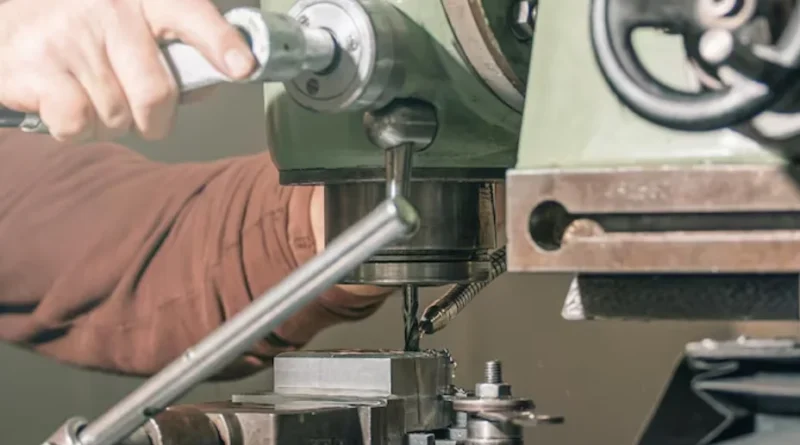
How Does the Tapping Process in Machining Adapt to 2026 CNC Tech Advancements
How Does CNC Technology in 2026 Redefine the Tapping Process in Machining?
CNC technology by 2026 has advanced so much that tapping, which used to be one of the most dangerous jobs because of broken tools and uneven threads, now runs with great accuracy. The tapping process in machining gets help from clever programs, better sensors, and instant data reports. These things change the way machines work with different materials. Operators once had to rely on their own skills a lot. But now, the system has built-in smart features that handle things better. For example, in a busy factory making car parts, these updates cut down on errors and speed up work without much hassle.
Integration of Smart Toolpath Algorithms
Today’s CNC controllers do not stay fixed anymore. They change as they go. Smart toolpath programs can adjust the feed and speed right away based on signals from torque and shaking. This change brings steady torque use across various materials. It also cuts down on pressure on the tap. Real-time checks spot tiny shifts in load. So, the machine fixes issues before they grow. Machine learning boosts the guesswork by spotting patterns in how the tap meets the material. Even when you switch from soft aluminum to tough titanium, the setup figures out the best settings without you typing them in. I recall a shop where this saved hours on setup for a big order of engine blocks.
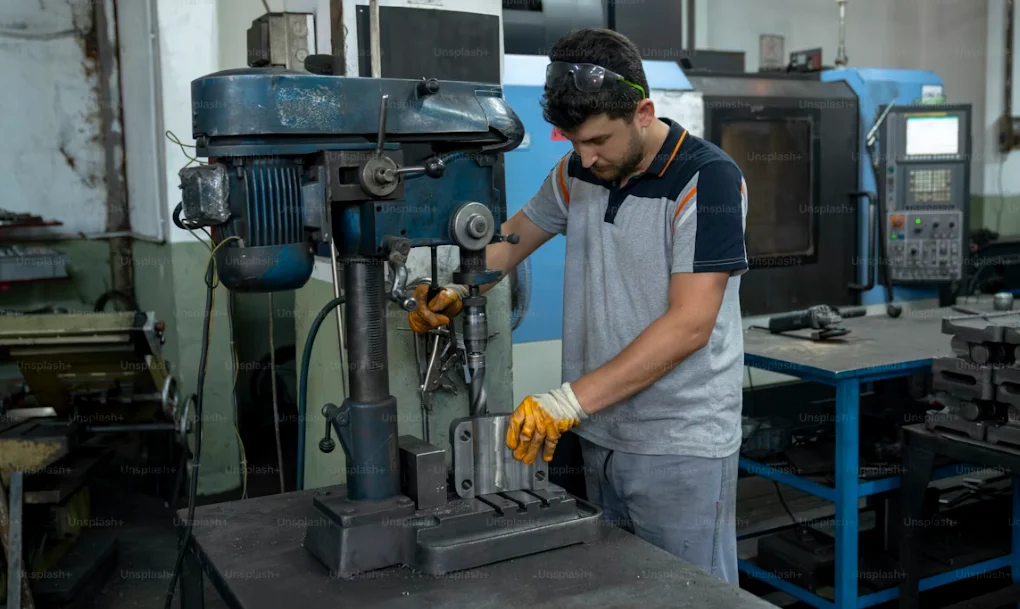
Synchronization Between Spindle and Feed Motion
Rigid tapping always needed exact timing between the spindle’s spin and the feed’s push. By 2026, digital servo setups match this with tiny time accuracy, down to microseconds. Feedback paths in the controller stop pitch mistakes that might bend threads or wear out parts too soon. If the spindle slows a bit, better motion controls fix it fast. This lowers the chance of the tap snapping. You end up with even thread shapes and steady depth even when going quick. In practice, this means fewer rejects on parts like those used in bikes or planes.
Influence of Sensor-Based Feedback Systems
Sensors built into CNC spindles and holders are now common. They pick up small shakes, heat jumps, and torque changes while tapping. These sensors send info to control parts that tweak cutting settings as needed to keep things just right. For holes that do not go all the way through, where chips have a hard time getting out, early warnings stop overloads. Otherwise, a tap might break deep in the piece. That would waste time and scrap good material. Think about drilling into a thick block for valves; these sensors make it reliable.
Why Is Tap Breakage Reduction a Key Focus in 2026 CNC Machining?
As jobs in machining get more complex, like with tiny threads or strong metals, stopping tap breaks matters a lot. It is not just about saving tools. It keeps the whole line running and parts in good shape. One stuck tap can stop everything or wreck a pricey piece. In high-volume spots like making phone cases, this focus really pays off by keeping costs down.
Challenges of Blind Hole Tapping
Blind holes are still hard for workers. Chips cannot escape easily. They pack up at the bottom. This builds up torque until the tool fails. Uneven oil adds heat that weakens coatings or makes the tool stick to the metal. Even small errors in depth add extra strain on the tap’s edges.
Advances in Tool Material and Coating Technologies
Tool companies have made new stuff for longer life. Taps with nano coatings cut down on rubbing and hold up better under heavy work. Tools from carbide take more pressure without bending. This is key for steels like stainless or nickel mixes used in plane parts. Special surface fixes let chips slide off easy. They do not cling to the sharp parts. This helps a lot in deep blind holes. From my view, these changes have doubled tool life in some shops I’ve heard about.
Role of Intelligent Coolant Delivery Systems
Coolant flow has grown from basic sprays to aimed jets that hit right into blind holes. Systems with changing pressure match the flow to what sensors say about heat or torque. This smart cooling lasts tools longer. It also keeps thread shapes true by controlling heat swell in long jobs. For instance, in a run of 500 parts, it might save 20% on coolant use while boosting quality.
How Do Adaptive Control Systems Enhance Tapping Accuracy?
Adaptive control makes CNC machines act like expert workers who sense trouble quick. But they do it faster and with more detail.
Real-Time Torque Monitoring Mechanisms
Steady torque checks let the system slow the feed if pushback grows sudden. When torque hits a set limit, it slows the spindle right away to avoid harm. Over runs, this info makes a record for planning fixes ahead. You swap taps before they quit, not after. This has cut downtime by half in many cases, based on factory reports.
Dynamic Compensation for Material Variability
Materials do not act the same in every batch or spot on a piece. Smart programs read these shifts via sensors. They fix things on the spot to keep thread depth even when hardness changes a bit in mixed metals. This cuts down on hand tweaks between work shifts. It holds steady output in long jobs. Imagine a batch with slight alloy differences; it smooths them out without fuss.
Closed-Loop Communication Between Machine Modules
In 2026 CNC setups, each part from spindle motors to coolant lines talks in a tight network. This links motion paths with coolant flow. So, the load stays even through every tap job. You get the same results in big lots with little drift from the plan. It is like the machine thinks as one unit.
What Role Does Digital Twin Simulation Play in Modern Tapping Processes?
Digital twin tech has changed how planners set up tapping before any real cutting starts. It is a virtual copy that tests ideas safely.
Virtual Modeling of Tool–Workpiece Interaction
With digital twins, you can run tests on how a tap meets the material under set speeds, oils, and hole shapes. You see stress spots before starting. This helps shape the tap better for each thread type. It cuts the need for real test pieces. In one case, a team saved weeks by spotting a flaw in simulation for gear housings.
Predictive Analysis for Tap Wear and Life Cycle Management
Digital twins follow how wear builds over many fake runs with different loads and metals. Then, smart guesses set times for checks or swaps based on real use, not just clock hours. This cuts costs and stops from real breaks. It matches stock to what tools really do. For shops running 24/7, this means fewer surprises.
Process Optimization Through Continuous Learning Models
AI sims do not sit still. They grow with fresh data from each real job. These learning setups sharpen guesses for next tasks. They cut gaps over time and match better across machines or plants. It is ongoing improvement that feels natural, like tweaking a recipe after each bake.
How Do Automation and Robotics Support Precision Tapping Operations?
Automation takes over boring repeats that humans mess up sometimes. It adds exactness beyond what hands can do. Robots make things smoother in tight spots.
Automated Tool Changing Systems for Multi-Tap Operations
Robot arms swap taps on their own with fine accuracy in jobs with many thread sizes or depths. Each swap runs a quick check to line up right before going on. This shortens wait times a lot in big output lines like car threading. It can shave minutes off per cycle, adding up fast.
Robotic Assistance in Workpiece Handling and Alignment
Robots with cameras place parts spot on before tapping. Auto clamps hold firm to cut shakes that mess threads. This small fix matters when fits are super tight, like microns per twist. In medical tool making, it ensures every part meets strict rules.
Integration with Smart Manufacturing Ecosystems
Robots link straight to CNC brains using common links like MTConnect or OPC-UA in smart plants. One main control runs flows across machines. It tracks from design sketch to final check. This is vital for fields like planes or health gear where records must be full. It builds trust in the chain.
How Is Data Analytics Transforming Quality Control in Tapping Processes?
Quality checks now run live in each step, not just at the end. Big data tools in CNC webs make this happen. It spots issues early.
Use of Big Data for Process Optimization
Data from cuts shows weak spots like wrong feeds or uneven paces over time. Number checks tie these to metal traits. So, workers adjust steps steady, not just after bad parts show up. For a plant doing 10,000 taps a day, this trims waste by spotting patterns weekly.
Implementation of AI-Based Defect Detection Systems
AI looks at sound waves or shakes in taps to catch tiny flaws as they start. It skips hand looks and raises trust in batches where no flaws are allowed. This live catch beats waiting for later scans. In electronics housing, it has caught 95% of issues before they grow.
Cloud-Based Traceability and Reporting Solutions
Cloud stores all cut logs safe but easy to grab from anywhere, like offices or far fix spots. Main data banks ease rule reports. Dashboards turn hard numbers into simple views of trends. It helps teams see what works over months, making fixes easier.
What Future Trends Will Shape the Tapping Process Beyond 2026?
Ahead, new paths look set to boost tapping in fresh factory setups. They aim for more ease and less waste.
Hybrid Manufacturing Combining Additive and Subtractive Techniques
Hybrid machines build up layers then cut finish like tapping in one spot. No part moves between steps. This evens surfaces and shortens full times. It leads to smooth digital flows. Picture printing a rough shape then threading it right there for valves.
Development of Self-Learning CNC Controllers
New controllers learn on their own from months of cut data. They tweak settings auto without people stepping in. They hold steady on stuff from soft plastics to hard steels. This self-fix feels like the machine grows wiser with use, cutting errors naturally.
Expansion of Sustainable Machining Practices
Green ways keep shaping designs. Low-power motors save juice when not busy. Plant-based oils swap old oil types. Waste cuts are now built-in, not extras. All this makes factories kinder to the earth but just as busy. In Europe, rules push this hard, and it is spreading.
FAQ
Q1: What makes 2026 CNC tapping more reliable than older systems?
A: The mix of changing programs, instant torque watches, and smart coolant flows cuts mechanical strain in threading jobs way below old stiff ways.
Q2: How do digital twins improve process planning?
A: They run real-like tests of tools and metals before making, guessing wear and shaping tools better without using up test blanks.
Q3: Why is blind hole tapping still challenging despite automation?
A: Hole shape limits chip out; but better aimed coolants and tiny-coated tools make it much safer now.
Q4: Can AI detect problems mid-cycle during tapping?
A: Yes, AI flaw finds use live shakes or noises in work to mark odd spots quick, not just after checks down the line.
Q5: Are sustainable lubricants effective replacements for traditional coolants?
A: New plant oils work as well in tough spots and bring green perks like less trash risk and smaller air harm.