
What Makes The Lapping Finishing Process Essential In Precision Machining
What Defines the Lapping Finishing Process in Precision Machining
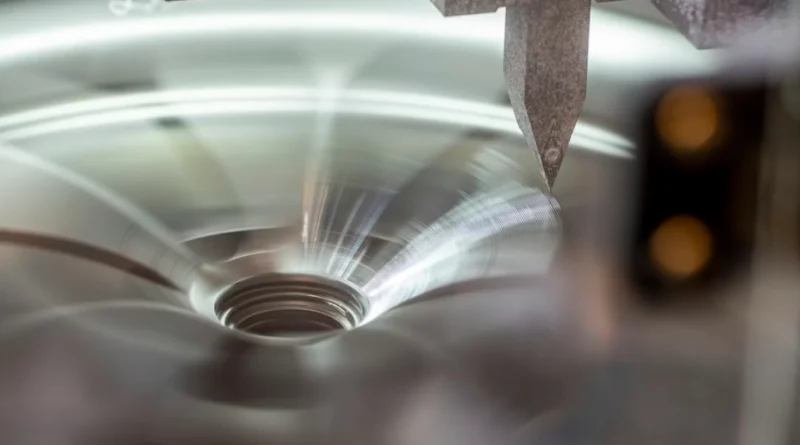
In precision machining, the lapping finishing process serves as a key final step. It creates surfaces with great flatness and smoothness. This goes beyond simple polishing for looks. Instead, it carefully takes away tiny bits of material to reach very fine accuracy, often at the sub-micron level. Parts that need almost perfect shapes, such as sealing faces, optical flats, or valve plates, really depend on lapping. For example, in a busy workshop, engineers often turn to this method when standard grinding just won’t cut it for tight tolerances.
Controlled Material Removal Through Abrasive Action
Lapping works by mixing steady pressure with an abrasive slurry. It cuts away small layers of material using loose abrasives mixed in a liquid. These particles float freely. They roll and slide between the workpiece and the lap plate. This setup leads to even removal. It avoids too much heat or bending of the part. Grinding, on the other hand, uses abrasives stuck to a wheel. So, lapping gives a very flat surface. Tolerances can hit one light band, which is roughly 0.000011 inch. You can use this on metals, ceramics, or composites. These materials need exact sizes. In practice, I’ve seen it help with engine parts where even a small bump could cause leaks.
Surface Refinement and Dimensional Accuracy
After grinding or honing, surfaces often show small bumps or waves. Lapping fixes these issues. It brings roughness down to nanometer levels. The process smooths both the texture and the shape at the same time. This creates the parallelism and flatness needed for parts that fit tightly. Think of gauge blocks or mechanical seals. It also improves how bearings touch by leveling out high spots from earlier steps. Such care makes assemblies work better in real use, like in pumps that run all day.
Equipment and Process Parameters in Lapping
Lapping machines come as single-sided or double-sided types. The choice depends on what you produce. Double-sided ones suit batch work well. They keep parallelism on their own. Important settings include abrasive grain size, from 3 µm to 50 µm. Slurry concentration matters too. So does rotation speed and plate material, often cast iron or copper alloy. You tweak these to match removal speed with finish quality. Finer grains make smoother surfaces. But they slow down the stock removal. Operators in factories adjust these daily to hit targets without waste.
Why Is the Lapping Finishing Process Critical for Precision Components?
Precision components must perform steadily in tough spots. The lapping finishing process makes sure each contact surface works right. It cuts friction, boosts sealing, and lengthens how long parts last. In high-stakes fields like aviation, skipping this could mean big problems down the line.
Achieving Ultra-Fine Surface Finish Standards
Lapping delivers finishes that grinding or honing can’t match. For aerospace valves or optical mirrors, tiny scratches can ruin things. Lapping removes those flaws. It creates surfaces with Ra values under 0.01 µm. This helps seals work better and keeps lubrication stable under weight. Such fine work also stops small defects from growing under repeated stress. Picture a valve in a jet engine; a smooth lap job there prevents failures at 30,000 feet.
Ensuring Dimensional Stability and Component Fit
When parts like pump rotors or hydraulic plates need to line up within sub-microns, lapping provides even sizes across tricky shapes. It holds steady thickness. Plus, it cuts down on twists from earlier machining stresses. This steadiness leads to less shaking and noise in fast machines. In one case, a manufacturer fixed vibration issues in turbines just by lapping key plates—simple fix, big payoff.
Enhancing Functional Performance of Mechanical Systems
A smoother surface spreads load better across spots like bearings or valve seats. Lapped finishes close tiny gaps in hydraulic setups. Regular polishing might leave those open, causing leaks. So, these assemblies last longer and stay reliable under changing pressures. It’s like giving your machine a better grip—everything runs quieter and stronger.
How Does Lapping Differ from Other Surface Finishing Methods?
At first, lapping might look like grinding or polishing. But it stands apart in how it works and what it achieves. This difference shows up clearly in daily shop floor tasks.
Comparison with Grinding and Polishing Processes
Grinding takes off material quickly. Yet it leaves rougher surfaces because of the fixed cutting edges on the wheel. Polishing makes things look nice. However, it doesn’t fix shapes well. It just smooths tops without handling waves. Lapping sits between them. It cuts material exactly and gives top-notch finishes for working surfaces, not just show ones. For instance, in tool making, lapping turns a good grind into a great fit.
Differences in Abrasive Medium and Pressure Application
Lapping uses free abrasives in a slurry. These float between two surfaces. They aren’t stuck to a tool. This spreads pressure evenly over the whole workpiece. Local heat from friction stays low. So, heat-based warping doesn’t happen. That’s a big plus for thin pieces or materials sensitive to warmth. Technicians appreciate this when handling delicate alloys.
Distinctive Advantages in Flatness Control and Repeatability
Lap plates wear in set patterns. This lets you get extreme flatness again and again. Stable machines and steady slurry flow help too. Such reliability fits industries like optics, semiconductors, and aerospace. There, you can’t afford slip-ups on accuracy. One repeatable run can save hours of tweaking.
What Materials Benefit Most from the Lapping Finishing Process?
The lapping finishing process adapts well to various materials. From tough ceramics to softer metals, each gains from its careful control. It’s versatile, but not without some trial and error in setup.
Metals Requiring High Dimensional Integrity
Stainless steel parts in tools need flatness within microns. Lapping does that. It also eases stresses left from heat treatment or milling. Tool steels get better resistance to fatigue after fine lapping. Smoother finishes cut down on spots where cracks start. In welding shops, this means parts hold up longer under daily knocks.
Hard Ceramics and Advanced Composites Applications
Stuff like silicon carbide or alumina is very hard but can break easily. Regular polishing might crack them. Lapping’s gentle abrasion skips that risk. It gives mirror finishes key for semiconductor wafers or laser optics. These need flawless surfaces. A small crack in a wafer could scrap an entire batch—lapping prevents that headache.
Soft Metals and Non-Metallic Materials Adaptation
Copper gaskets or aluminum housings use mild abrasives like aluminum oxide. Not diamond paste. Plastics such as PTFE work with low pressure. This keeps thickness exact without bending. It’s handy for sealing rings or insulating films where evenness counts. Soft materials surprise you sometimes; they lap faster than expected if you dial in the settings right.
How Is Quality Controlled During the Lapping Process?
Quality checks in lapping go past just looking. They use tools that measure at nanometer scales. This keeps things on track for tough standards.
Measurement Techniques for Flatness and Roughness Verification
Interferometers check flatness with light wave patterns. They spot dips smaller than one micron. Profilometers trace Ra values at many points. This confirms batches match up. Optical comparators look at edges after finishing. In a lab, these tools catch issues early, like a slight wave that could fail a seal test.
Process Monitoring Through Parameter Adjustment
Slurry thickness changes how it cuts. You watch it to avoid uneven work in long runs. Lap plates need regular upkeep for even wear. That’s vital for steady results. New systems track pressure and speed automatically. This helps with checks later. Operators often note how a fresh plate feels—smoother runs mean better output.
Inspection Standards for Precision Machining Compliance
Factories follow rules like ISO 1302. It sets surface finish levels for jobs from turbine parts to medical implants. These need smooth, body-friendly surfaces. Sticking to standards avoids recalls and builds trust.
What Are the Technological Innovations Influencing Modern Lapping?
New ideas in automation, material know-how, and mixed methods have changed lapping today. These updates make work faster and more precise, though they cost upfront.
Automation and Digital Control Integration
CNC machines now set pressure for odd shapes. This beats old hand methods by miles. Auto slurry feed cuts mistakes. It holds steady mixes during big jobs. In modern plants, this means fewer breaks and more pieces done right.
Advanced Abrasive Formulations
Diamond mixes often swap in for silicon carbide. They handle hard stuff like tungsten carbide or sapphire better. Even particle sizes give steady cuts. This speeds things up without hurting finish. It’s a game-changer for high-volume lines.
Hybrid Finishing Techniques Combining Multiple Processes
Fine lapping plus chemical-mechanical polishing makes near-perfect mirrors. This suits wafer flattening in chip making. There, flatness is key for printing circuits. Hybrids cut time while hitting tight specs—smart move for tech firms.
How Does the Lapping Finishing Process Contribute to Manufacturing Efficiency?
Lapping does more than boost precision. It improves how factories run, especially for pricey parts. This efficiency adds up over months.
Reduction of Post-Machining Rework Requirements
Good control on depth skips extra grinding. That’s common after other finishes. It saves time, tools, and boosts yield in batches. Less rework means happier teams and lower costs.
Enhancement of Equipment Longevity Through Accurate Assembly
Well-fitted parts from lapping cause less wear in pumps or compressors. This cuts energy use and stretches service times. Machines last longer, so you service them less often. It’s practical savings you feel in the budget.
Optimization of Production Workflow Integration
Set parameters ease switches between products. This allows steady work with little oversight. Robots fit in well for lean setups. They keep output even and precise. In fast-paced shops, this flow keeps everyone productive.
FAQ
Q1: What distinguishes the lapping finishing process from standard polishing?
A: Lapping uses free abrasives suspended in liquid rather than fixed compounds; this allows simultaneous geometric correction and ultra-fine surface refinement beyond what polishing alone can achieve.
Q2: Why is double-sided lapping preferred for precision assemblies?
A: Double-sided machines maintain parallelism automatically by applying equal pressure from both sides ensuring uniform thickness across all processed parts simultaneously.
Q3: Can soft materials like plastics be safely processed through lapping?
A: Yes; by selecting softer abrasives such as aluminum oxide combined with reduced pressure settings plastics can be finished precisely without deformation risk.
Q4: How does slurry concentration affect surface finish quality?
A: Higher concentrations accelerate removal rates but may increase surface roughness whereas diluted slurries yield finer finishes though at slower speeds—balancing these factors defines optimal performance per application type.
Q5: Which industries rely most heavily on precision lapped components?
A: Aerospace valve systems semiconductor wafer fabrication optical lens production hydraulic equipment manufacturing all depend heavily on tightly controlled flatness achievable only through professional-grade lapping processes.